
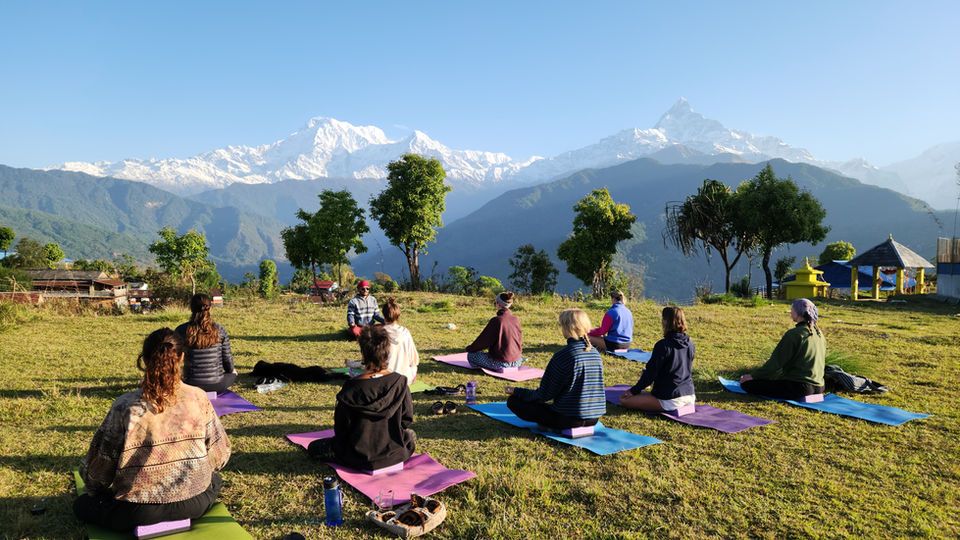
Starting your yoga journey with a retreat can be life-changing. But with so many options out there, how do you pick the right one? This guide will help you find a yoga retreat that matches your needs, budget, and comfort level.
Learning how to choose the right yoga retreat helps beginners avoid confusion and feel confident in their decision.
What Is a Yoga Retreat?
A yoga retreat is a getaway where you practice yoga, relax, and focus on your well-being. Unlike a regular vacation, these retreats combine daily yoga classes with healthy meals, meditation, and time to disconnect from everyday stress.
Most retreats last anywhere from a weekend to two weeks. They’re held in peaceful locations like mountains, beaches, or countryside settings.
Why Beginners Love Yoga Retreats
You might wonder if a yoga retreat is right for someone just starting out. The answer is yes! Here’s why:
- Immersive learning: You’ll practice yoga every day, which helps you learn faster than weekly classes
- Expert guidance: Teachers give you personal attention and correct your form
- No judgment: Everyone’s there to learn and grow, not to show off
- Complete relaxation: You can unwind without daily responsibilities
- Like-minded community: You’ll meet others on similar wellness journeys
Key Factors to Consider
1. Your Experience Level
Look for retreats specifically labeled “beginner-friendly” or “all levels welcome.” These programs move at a slower pace and include detailed explanations of poses.
Avoid retreats marketed as “intensive” or “advanced” unless you’re ready for a challenge. Some retreat centers even offer special beginner weekends where everyone starts at the same level.
2. Yoga Style Offered
Different yoga styles suit different people:
- Hatha Yoga: Slow-paced, perfect for learning basics
- Vinyasa Yoga: Flowing movements, slightly more active
- Yin Yoga: Gentle stretches held for longer periods
- Restorative Yoga: Very relaxing, uses props for support
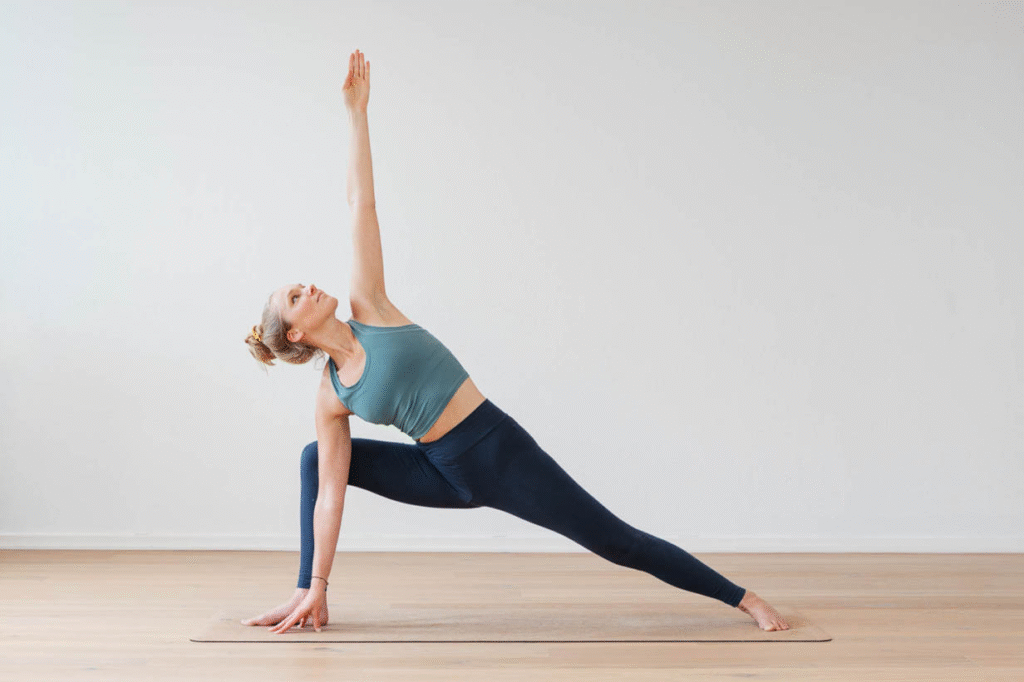
For your first retreat, stick with Hatha or gentle Vinyasa. You can explore other styles once you’re comfortable with the fundamentals.
3. How to Choose the Right Yoga Retreat Location
Think about what environment helps you relax:
- Beach retreats: Great if you love ocean views and warm weather
- Mountain retreats: Perfect for nature lovers who enjoy cooler climates
- Countryside retreats: Ideal for peaceful, rural settings
- Local vs. international: Start with something closer to home if traveling abroad feels overwhelming
4. Group Size
Smaller groups (10-15 people) mean more personal attention from teachers. Larger groups (20+ people) offer more social opportunities but less individualized instruction.
For beginners, smaller groups are usually better. You’ll get help adjusting poses and feel more comfortable asking questions.
5. Daily Schedule
Check the retreat itinerary carefully. A typical beginner-friendly schedule includes:
- Morning yoga session (60-90 minutes)
- Healthy breakfast
- Free time for rest, spa treatments, or activities
- Afternoon yoga or meditation (optional)
- Dinner
- Evening relaxation or gentle practice
Make sure there’s enough downtime. You don’t want a schedule that leaves you exhausted.
6. Accommodation Options
Most retreats offer different room types:
- Shared rooms: More affordable, chance to make friends
- Private rooms: More expensive, but you get personal space
- Camping or glamping: Budget-friendly outdoor option
Choose what makes you comfortable. If you’re traveling solo and feeling nervous, a shared room can help you connect with others quickly.
Practical Tips for Choosing Your Retreat
Read Reviews from Real Guests
Look for reviews on Google, TripAdvisor, or the retreat’s website. Pay attention to comments from other beginners. They’ll tell you if the teachers were patient, if the pace was manageable, and if they felt welcomed.
Check What’s Included
Some retreats are all-inclusive (meals, classes, accommodation), while others charge separately for extras. Make sure you understand:
- Are all yoga classes included?
- How many meals per day?
- Is airport transfer provided?
- Are spa treatments or activities extra?
Ask About the Teacher
Research the yoga instructor leading the retreat. Look for:
- Teaching experience (especially with beginners)
- Certifications and training
- Teaching style and personality (watch videos if available)
- Reviews from past students
Don’t hesitate to email the retreat center with questions. A good program will respond warmly and address your concerns.
Consider Your Budget
Yoga retreats range from budget-friendly (around $500 for a weekend) to luxury experiences ($3,000+ per week). Remember to factor in:
- Flight or transportation costs
- Travel insurance
- Spending money for excursions or shopping
- Tips for staff
Start with a shorter, more affordable retreat to see if you enjoy the experience before investing in a longer trip.
Think About Diet and Food
Most yoga retreats serve vegetarian or vegan meals. If you have dietary restrictions or preferences, check if they can accommodate you. Good retreat centers are usually flexible with food requirements.
Check Cancellation Policies
Life happens, and plans change. Read the cancellation policy before booking. Some retreats offer partial refunds if you cancel early, while others have strict no-refund policies.
Red Flags to Watch For
Avoid retreats that:
- Have no online presence or reviews
- Make unrealistic promises (“transform your life in 3 days”)
- Don’t clearly state their refund policy
- Have mostly negative reviews about cleanliness or safety
- Pressure you to book immediately with “limited spots” tactics
Questions to Ask Before Booking
Contact the retreat center and ask:
- Is this retreat suitable for complete beginners?
- How many students will be in my class?
- Can I modify poses if I have injuries or limitations?
- What happens if the weather is bad (for outdoor retreats)?
- Is there WiFi if I need to stay connected?
- What should I bring with me?
Best Times to Book a Yoga Retreat
Consider going during:
- Off-season: Lower prices, fewer crowds, more attention from teachers
- Shoulder season: Pleasant weather, moderate prices
- Your slow work period: When you can truly disconnect
Avoid booking during peak tourist seasons unless you don’t mind crowds and higher prices.
What to Pack
Most retreats provide yoga mats, but bring your own if you prefer. Essential items include:
- Comfortable yoga clothes (3-4 outfits)
- Light jacket or sweater for cooler mornings
- Reusable water bottle
- Sunscreen and insect repellent
- Journal for reflection
- Any props you like (blocks, straps)
Pack light. You won’t need much beyond the basics.
Making the Most of Your First Retreat
Once you’ve chosen and booked your retreat:
- Arrive with an open mind: Don’t expect perfection from yourself or the retreat
- Communicate your needs: Tell teachers about injuries or concerns
- Participate in optional activities: They’re part of the experience
- Limit phone use: Try to disconnect and be present
- Rest when needed: It’s okay to skip a class if you’re tired
Conclusion
Choosing your first yoga retreat should feel exciting, not stressful. Start with a beginner-friendly program that’s close to home, short in duration, and fits your budget. As you gain confidence, you can explore longer retreats in exotic locations.
Remember, the best yoga retreat for you is one where you feel safe, supported, and inspired to grow. Trust your instincts, do your research, and prepare for a transformative experience.
Ready to book your retreat? Take your time, ask questions, and choose a place that feels right. Your yoga journey awaits!
About the Author
This article is written by the content and teaching team at Kundalini Yogashala, a Yoga Alliance–registered yoga school based in Rishikesh, India. With over a decade of experience in yoga education, retreats, and teacher training, Kundalini Yogashala is dedicated to guiding beginners and practitioners toward a balanced, mindful, and authentic yogic lifestyle.
Our teachings are rooted in traditional Himalayan yoga practices and are led by experienced teachers, including Kalpendra Chauhan, who specializes in yoga philosophy, pranayama, meditation, and practical yogic living. The goal of our content is to share real, experience-based guidance that helps readers make confident and informed decisions on their yoga journey.