
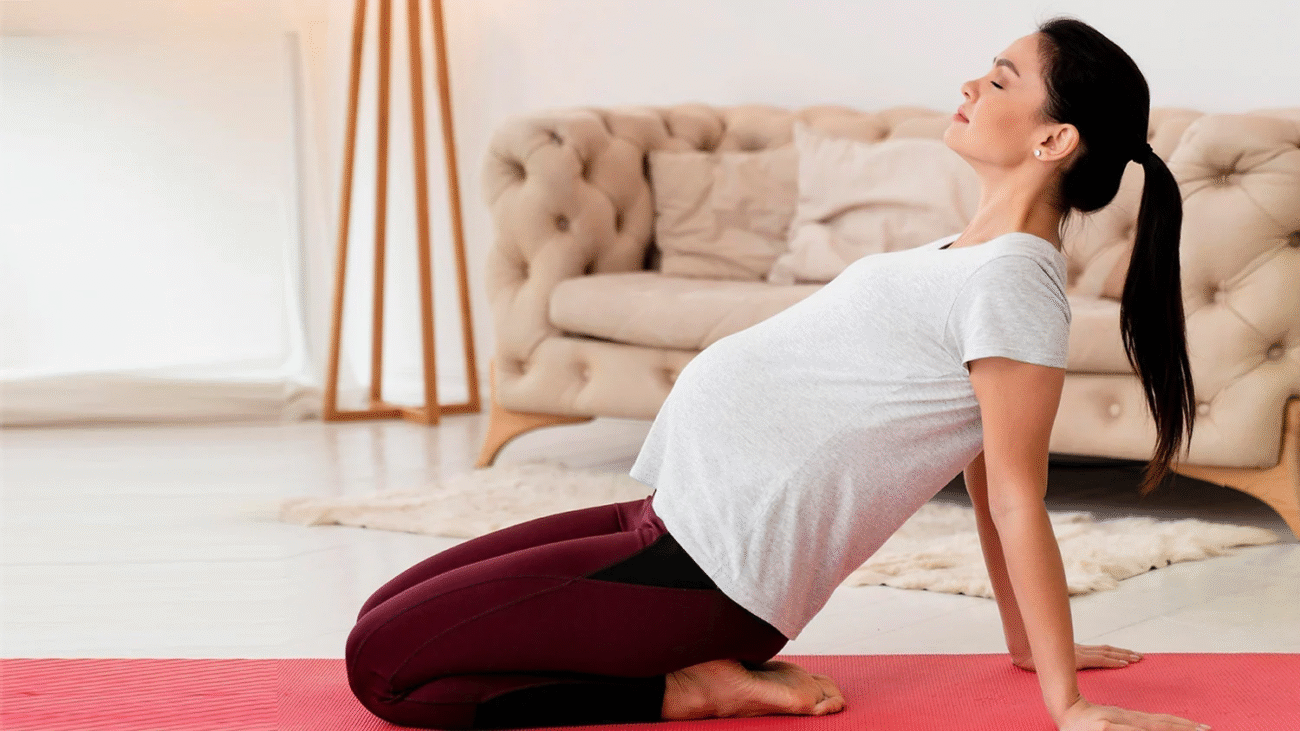
Pregnancy is a beautiful journey. Your body is creating new life. But it also brings changes, discomfort, and stress.
Prenatal yoga can help you stay healthy and calm during this time. It is gentle, safe, and made just for pregnant women.
This guide will show you safe yoga moves, breathing tips, and important safety rules. Whether you are a beginner or have done yoga before, this is for you.
Disclaimer: Always talk to your doctor before starting any exercise during pregnancy. This article is for information only and not medical advice.
What Is Prenatal Yoga?
Prenatal yoga is a special type of yoga designed for pregnant women. It focuses on gentle stretches, breathing, and relaxation.
How Is It Different from Regular Yoga?
- No lying flat on your back after the first trimester
- No deep twists or poses that press your belly
- More support with pillows, blocks, or chairs
- Focus on breathing to prepare for labor
Prenatal yoga keeps you strong, calm, and ready for childbirth.
Is Prenatal Yoga Safe During Pregnancy?
Yes, prenatal yoga is safe for most pregnant women. But you must follow some rules:
Always Get Doctor Approval
Before you start, ask your doctor if yoga is safe for you. Every pregnancy is different.
Learn from a Trained Instructor
Join a prenatal yoga class with a certified teacher. They know which poses are safe for each trimester.
Listen to Your Body
Stop if you feel dizzy, short of breath, or have pain. Your body will tell you what feels right.
Benefits of Prenatal Yoga for Expecting Moms
Prenatal yoga helps your body and mind during pregnancy. Here’s how:
Physical Benefits
- Reduces back pain and muscle aches
- Improves posture as your belly grows
- Strengthens pelvic floor muscles
- Helps with better sleep
- Reduces swelling in legs and feet
Mental & Emotional Benefits
- Lowers stress and anxiety
- Boosts mood and energy
- Helps you feel calm and connected to your baby
- Prepares you mentally for labor
Benefits for Baby
- Better oxygen flow to your baby
- Healthier birth weight
- Calmer environment in the womb
Safe Prenatal Yoga Poses for Beginners
Here are easy and safe yoga poses for expecting moms. Move slowly and use support when needed.
Tadasana (Mountain Pose)
Stand tall with feet hip-width apart. Keep your arms by your side or raised up gently.
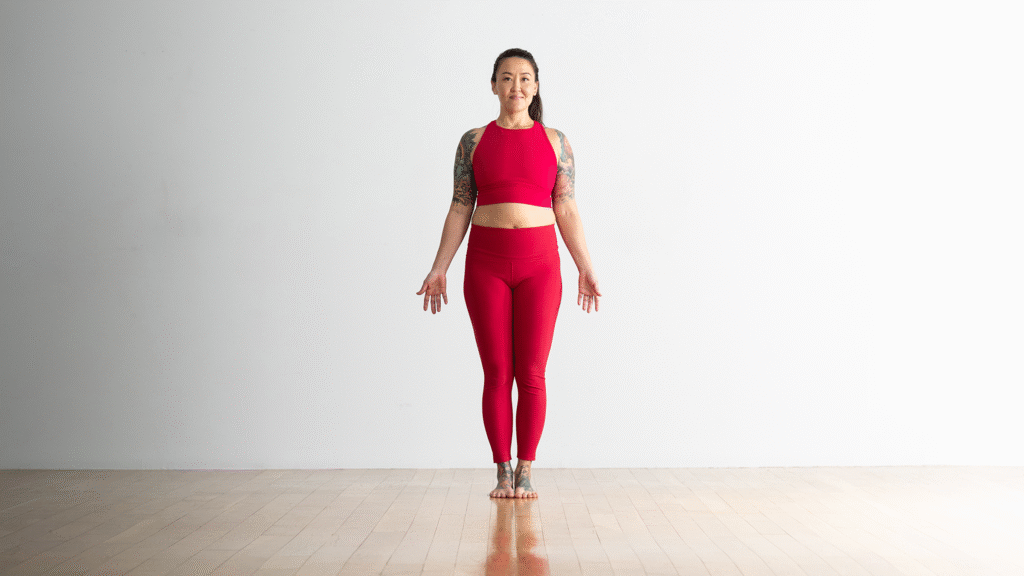
Benefits: Improves posture and balance.
Baddha Konasana (Butterfly Pose)
Sit on the floor. Bring the soles of your feet together. Hold your feet and gently move your knees up and down.
Benefits: Opens hips and reduces lower back pain.
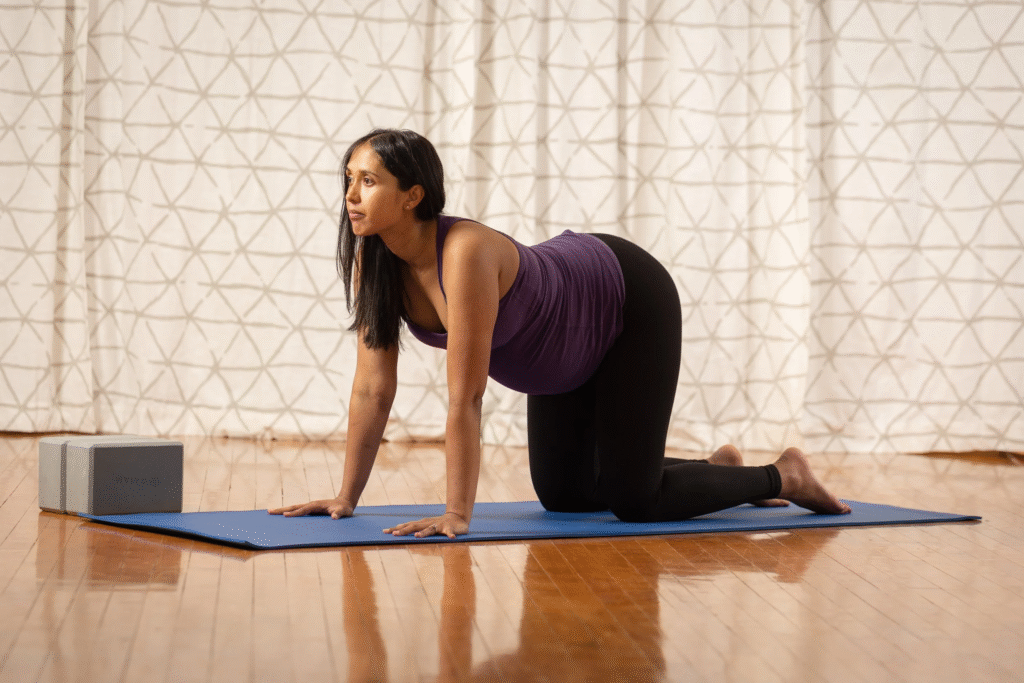
Cat-Cow Pose
Get on your hands and knees. Arch your back up (cat), then lower it down (cow). Move slowly with your breath.
Benefits: Relieves back pain and improves spine flexibility.
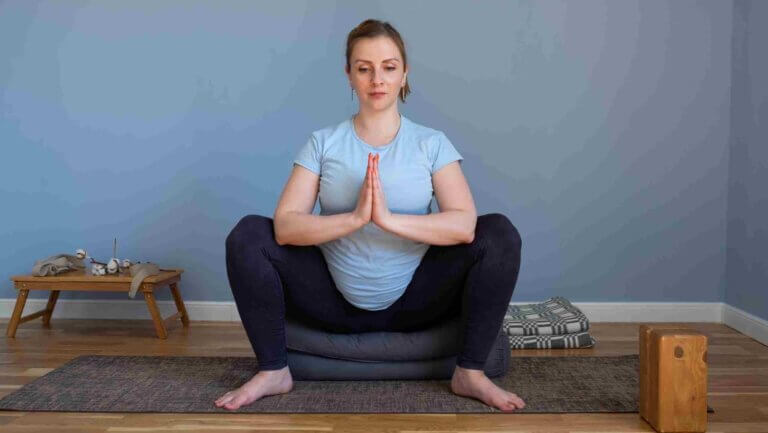
Malasana (Supported Squat)
Squat down with feet wide apart. Use a block or pillow under your hips for support.
Benefits: Prepares pelvis for delivery and strengthens legs.
Vajrasana (Thunderbolt Pose)
Sit on your knees with your hips resting on your heels. Keep your back straight.
Benefits: Improves digestion and calms the mind.
Side Stretch Pose
Sit cross-legged or on a chair. Raise one arm and gently stretch to the side. Repeat on both sides.
Benefits: Opens the rib cage and helps with breathing.
Left-Side Relaxation Pose
Lie on your left side with a pillow between your knees. Rest your head on your arm or a cushion.
Benefits: Improves blood flow to baby and helps you relax.
Breathing Exercises in Prenatal Yoga
Breathing exercises calm your mind and prepare you for labor. Practice these daily.
Deep Breathing (Diaphragmatic Breathing)
- Sit comfortably with your hand on your belly
- Breathe in slowly through your nose
- Feel your belly expand
- Breathe out slowly through your mouth
Benefits: Reduces stress and increases oxygen for baby.
Gentle Anulom Vilom (Alternate Nostril Breathing)
- Close your right nostril with your thumb
- Breathe in through the left nostril
- Close the left nostril and breathe out through the right
- Repeat 5–10 times
Benefits: Balances energy and calms the nervous system.
Relaxation Breathing
- Close your eyes and breathe naturally
- Count to 4 as you breathe in
- Count to 6 as you breathe out
- Repeat for 5 minutes
Benefits: Prepares you for labor breathing and deep relaxation.
Yoga Poses to Avoid During Pregnancy
Some yoga poses can harm you or your baby. Avoid these completely:
- Deep backbends (like full wheel pose)—can strain your belly
- Lying flat on your back after 12 weeks—reduces blood flow
- Deep twists can compress your belly
- Inversions (like headstands)—Risk of falling
- Hot yoga or Bikram yoga can overheat your body
- Jumping or fast movements can cause injury
- Belly-down poses (like cobra)—puts pressure on baby
- Intense core work can separate abdominal muscles
Always ask your instructor before trying a new pose.
Best Time to Start Prenatal Yoga
You can start prenatal yoga at any stage of pregnancy. But here’s what works best:
First Trimester (Weeks 1–12)
Start slowly. Focus on breathing and gentle stretches. Some women feel tired or nauseous, so listen to your body.
Second Trimester (Weeks 13–26)
This is the best time to practice regularly. You have more energy, and your belly is not too big yet.
Third Trimester (Weeks 27–40)
Focus on relaxation, breathing, and poses that prepare your pelvis for birth. Avoid deep stretches.
Tips for Practicing Prenatal Yoga Safely
Follow these simple tips to stay safe during your practice:
What to Wear
- Comfortable, stretchy clothes that don’t squeeze your belly
- Supportive sports bra
- Non-slip socks or bare feet
How Often to Practice
- Practice 3–4 times a week for 20–30 minutes
- Even 10 minutes daily can help
When to Stop
Stop immediately if you feel:
- Dizziness or lightheadedness
- Shortness of breath
- Sharp pain in your belly, chest, or back
- Vaginal bleeding or fluid leaking
- Contractions or cramping
Call your doctor right away if these happen.
Who Should Not Do Prenatal Yoga?
Prenatal yoga is not safe for everyone. Avoid it if you have:
- High-risk pregnancy
- History of miscarriage or preterm labor
- Severe heart or lung problems
- Placenta previa or other complications
- Cervical issues or incompetent cervix
Always get your doctor’s permission before starting.
FAQ Section
Is prenatal yoga safe for beginners?
Yes, prenatal yoga is perfect for beginners. It uses simple, gentle poses that are easy to learn. You don’t need any yoga experience. Just join a class with a trained prenatal yoga instructor.
Can I do yoga in the first trimester?
Yes, but be very gentle. Avoid deep twists, backbends, or lying on your belly. Focus on breathing and light stretching. Always get your doctor’s approval first.
How often should I do prenatal yoga?
Practice 3–4 times a week for 20–30 minutes. Even 10 minutes daily can help reduce stress and improve flexibility. Listen to your body and rest when needed.
Can prenatal yoga help in normal delivery?
Yes, prenatal yoga can help prepare your body for labor. It strengthens your pelvic floor, improves flexibility, and teaches breathing techniques. These can make labor easier and support normal delivery.
Conclusion
Prenatal yoga is a gentle and safe way to stay healthy during pregnancy. It helps your body, calms your mind, and prepares you for childbirth.
Start slowly. Use props for support. Always listen to your body.
Remember, every pregnancy is unique. What works for one mom may not work for another. That’s okay.
Ready to start your prenatal yoga journey? Join a certified prenatal yoga class near you or online. Talk to your doctor and take the first step toward a healthy, peaceful pregnancy.
Your body is doing something amazing. Treat it with love, care, and gentle movement.
About the Author
This article is written by Kundalini Yog Shala, a trusted yoga school known for teaching authentic and safe yoga practices.
Kundalini Yog Shala has experienced yoga instructors who focus on beginner-friendly and pregnancy-safe yoga. Their teaching approach is based on traditional yoga knowledge and modern safety guidelines.
The goal is to help expecting mothers practice prenatal yoga in a safe, comfortable, and confident way.