
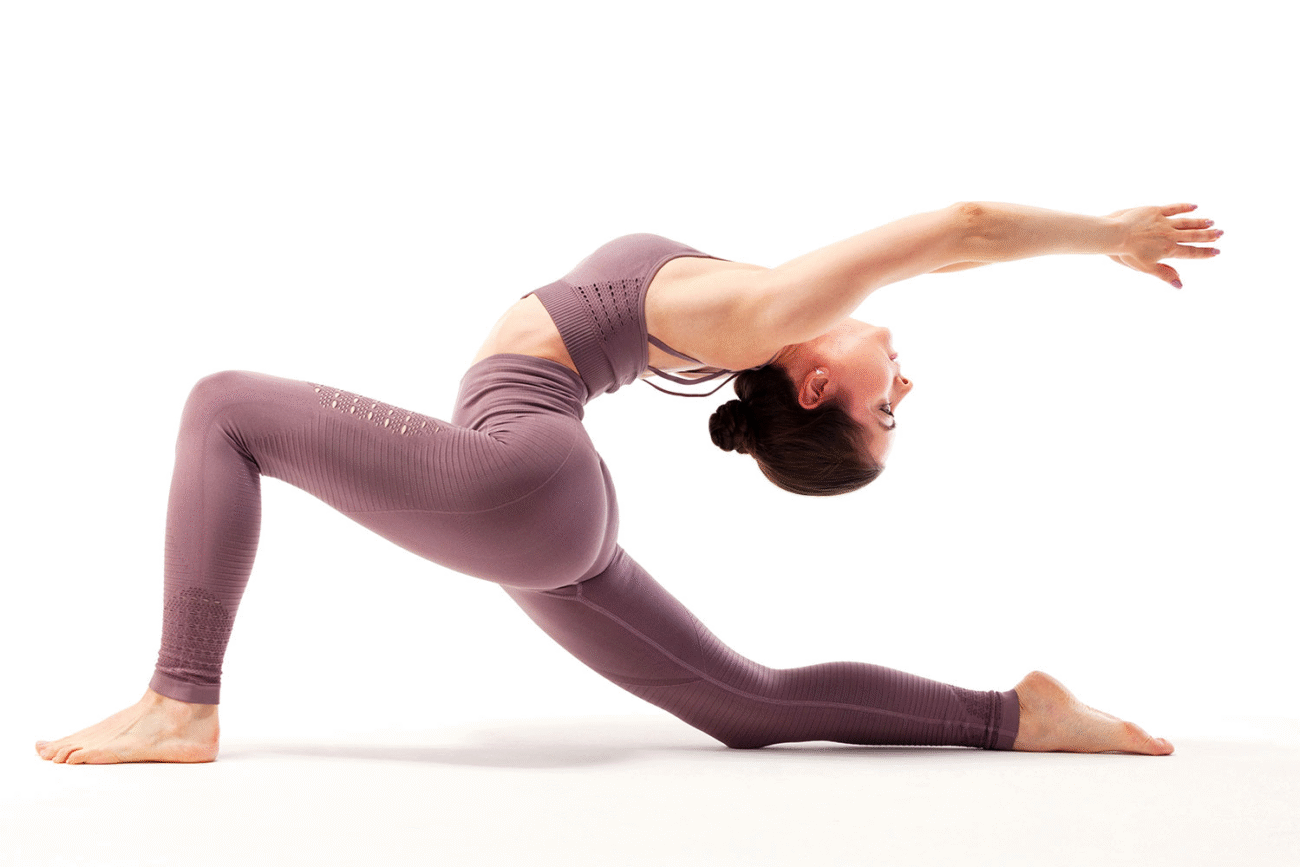
Vinyasa yoga is a flowing style of yoga that connects breath with movement. It has become one of the most popular yoga styles around the world.
This practice is perfect for people who enjoy movement and want to build strength while staying calm. Whether you are new to yoga or looking for an active practice, Vinyasa yoga offers something for everyone.
In this guide, you will learn what Vinyasa yoga is, how it works, and why beginners love it.
What Is Vinyasa Yoga?
Vinyasa yoga is a dynamic yoga practice where you move from one pose to another in a smooth flow. Each movement is guided by your breath.
The word “Vinyasa” comes from Sanskrit. It means “to place in a special way. ” In yoga, it refers to linking breath and movement together.
Unlike static yoga styles, Vinyasa keeps you moving. No two classes are exactly the same, which makes it creative and engaging.
How Vinyasa Yoga Works
Vinyasa yoga works by connecting each breath to a specific movement. You inhale as you move into one pose. You exhale as you transition to the next.
This connection creates a rhythmic flow. It helps calm your mind while keeping your body active.
A typical class includes:
- Warm-up stretches
- Sun salutations (flowing sequences)
- Standing poses
- Cool-down and relaxation
The focus is on smooth transitions, not holding poses for long periods.
Vinyasa Yoga vs Other Yoga Styles
Vinyasa vs Hatha
Hatha yoga is slower and holds poses longer. Vinyasa yoga flows quickly from pose to pose. Hatha is great for learning alignment. Vinyasa is better for building stamina.
Vinyasa vs Ashtanga
Ashtanga yoga follows a fixed sequence of poses. Vinyasa yoga is more flexible and creative. Teachers can design different flows for each class.
Vinyasa vs Power Yoga
Power yoga is a faster, more intense version of Vinyasa. It focuses more on strength and fitness. Vinyasa balances movement, breath, and mindfulness.
Benefits of Vinyasa Yoga
Physical Benefits
- Builds strength and flexibility
- Improves balance and coordination
- Supports cardiovascular health
- Tones muscles naturally
Mental Benefits
- Reduces stress and anxiety
- Improves focus and concentration
- Calms the nervous system
- Promotes mindfulness
Lifestyle Benefits
- Boosts energy levels
- Encourages healthy habits
- Helps you sleep better
- Improves posture and body awareness
Common Vinyasa Yoga Poses for Beginners
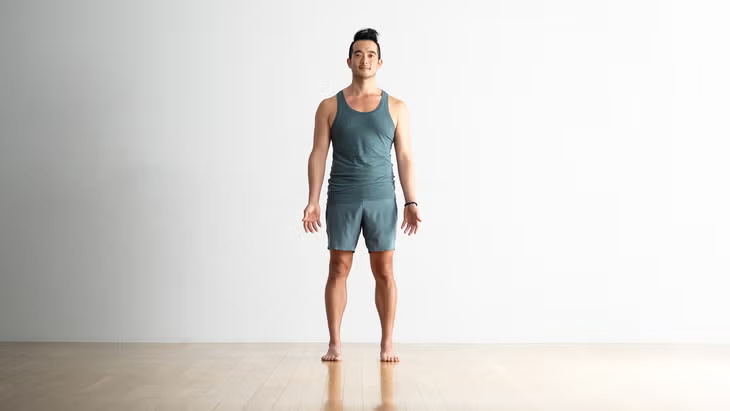
Tadasana (Mountain Pose)
Stand tall with your feet together and keep your spine straight. Rest your arms comfortably by your sides and relax your shoulders. Take slow, deep breaths while focusing on your posture. This pose helps improve body awareness, balance, and stability, and it prepares the body for standing yoga poses.
Downward-Facing Dog
Form an upside-down V shape with your body. Hands and feet press into the ground. This pose stretches the whole body.
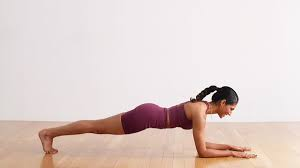
Plank Pose
Hold your body in a straight line from head to heels. Keep your arms firm and your core muscles engaged. Avoid dropping your hips or lifting them too high. This pose helps build upper body strength, improves core stability, and supports overall body control.
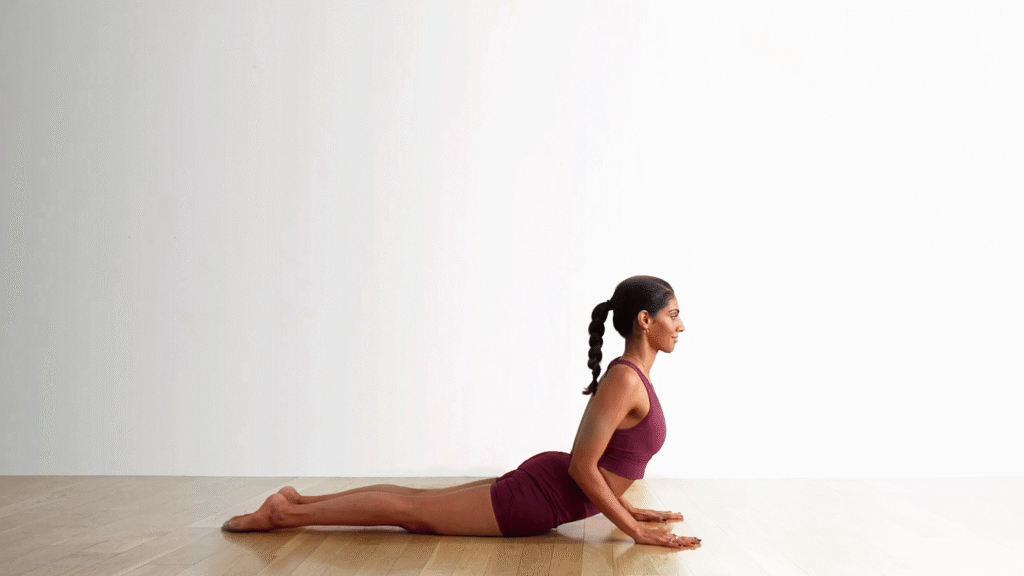
Cobra Pose
Lie on your belly with your legs relaxed on the mat. Place your hands under your shoulders and gently lift your chest while keeping your hips on the floor. Keep your shoulders relaxed and breathe slowly. This pose helps open the chest, improves spine flexibility, and gently strengthens the lower back.
Child’s Pose
Kneel down on the mat and gently fold your body forward. Rest your forehead on the mat and relax your arms. Allow your breath to slow down and your body to release tension. This is a resting pose commonly used between yoga flows to calm the mind and relax the body.

Is Vinyasa Yoga Good for Beginners?
Yes, Vinyasa yoga can be great for beginners. Many studios offer beginner-friendly classes that move at a slower pace.
The key is to start with gentle flows. Listen to your body and take breaks when needed.
Beginners should:
- Choose beginner or all-levels classes
- Focus on breathing, not perfection
- Use props like blocks or straps
- Ask the instructor for modifications
With time and practice, you will build confidence and strength.
Best Time to Practice Vinyasa Yoga
Morning Practice
Morning Vinyasa yoga energizes your body and clears your mind. It sets a positive tone for the day.
Evening Practice
Evening practice helps release tension from the day. It prepares your body for restful sleep.
How Long to Practice
Beginners can start with 20 to 30 minutes. As you grow stronger, you can practice for 45 to 60 minutes or more.
Consistency matters more than length. Even 15 minutes daily can bring benefits.
Tips to Practice Vinyasa Yoga Safely
Clothing
Wear comfortable, breathable clothing that allows free movement. Avoid loose clothes that may get in the way.
Breathing
Never hold your breath. Breathe deeply through your nose. Let your breath guide each movement.
When to Stop
Stop if you feel pain, dizziness, or extreme discomfort. Rest in Child’s Pose anytime you need a break.
Always practice on a non-slip yoga mat for safety.
Who Should Avoid Vinyasa Yoga?
Vinyasa yoga is generally safe for most people. However, you should consult a doctor or healthcare professional before starting if you have:
- Recent injuries or surgery
- Chronic joint or back problems
- Heart conditions
- High blood pressure
This is general information, not medical advice. Always listen to your body and practice under the guidance of a qualified yoga instructor.
What is Vinyasa yoga in simple words?
Vinyasa yoga is a flowing style of yoga where you move smoothly from one pose to another, guided by your breath.
Is Vinyasa yoga good for beginners?
Yes, Vinyasa yoga is good for beginners when practiced in beginner-friendly classes. Start slow and focus on breathing.
How often should I practice Vinyasa yoga?
Beginners can practice 2 to 3 times per week. As you build strength, you can increase to 4 to 5 times weekly.
Is Vinyasa yoga good for weight loss?
yoga can support weight loss by burning calories, building muscle, and encouraging mindful habits. It works best when combined with a balanced diet.
Conclusion
Vinyasa yoga is a beautiful blend of movement, breath, and mindfulness. It offers physical strength, mental clarity, and emotional balance.
Whether you want to build flexibility, reduce stress, or simply try something new, yoga welcomes you.
Start with beginner classes and be patient with yourself. Every practice is a step forward.
Ready to begin your Vinyasa journey? Find a local yoga studio or join an online class with a certified instructor. Your mat is waiting.
About the Author
Kundalini Yogashala is a Yoga Alliance–registered yoga school based in Rishikesh, India, with over 10+ years of teaching experience. The school offers internationally certified Yoga Teacher Training Courses and yoga retreats in Rishikesh, Goa, and Bali.
Guided by experienced teachers, Kundalini Yogashala blends traditional Himalayan yoga wisdom with practical, modern teaching methods. Their mission is to make yoga simple, authentic, and accessible for beginners and aspiring yoga teachers worldwide.