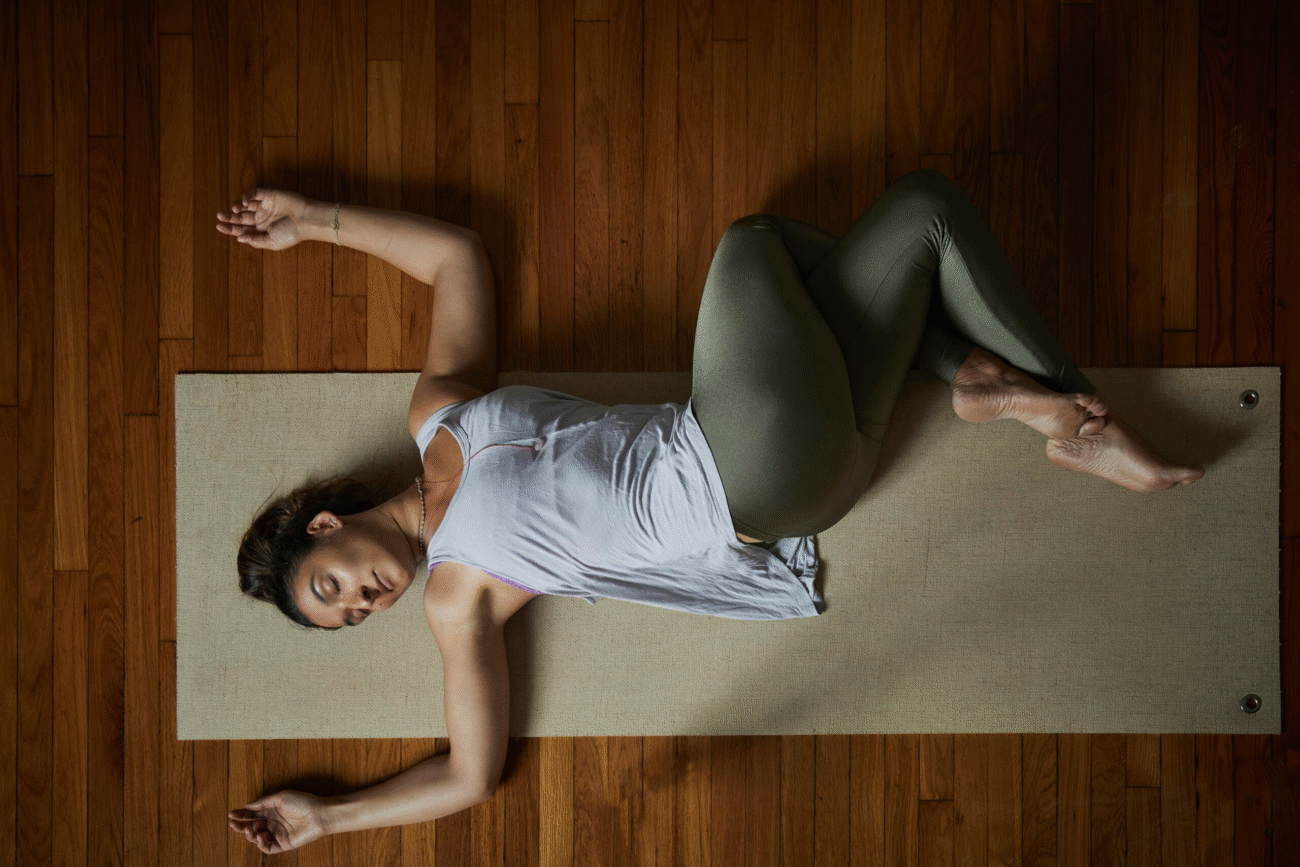
Are you looking for a slower, more meditative form of yoga? Yin Yoga might be exactly what your body and mind need. This ancient practice is gaining popularity worldwide for its deep healing benefits and accessibility for beginners.
Understanding Yin Yoga: The Basics
Yin Yoga is a slow-paced style of yoga where poses are held for longer periods—typically 3 to 5 minutes or even longer. Unlike more dynamic yoga styles, Yin Yoga targets the deep connective tissues, ligaments, and fascia rather than focusing on muscles.
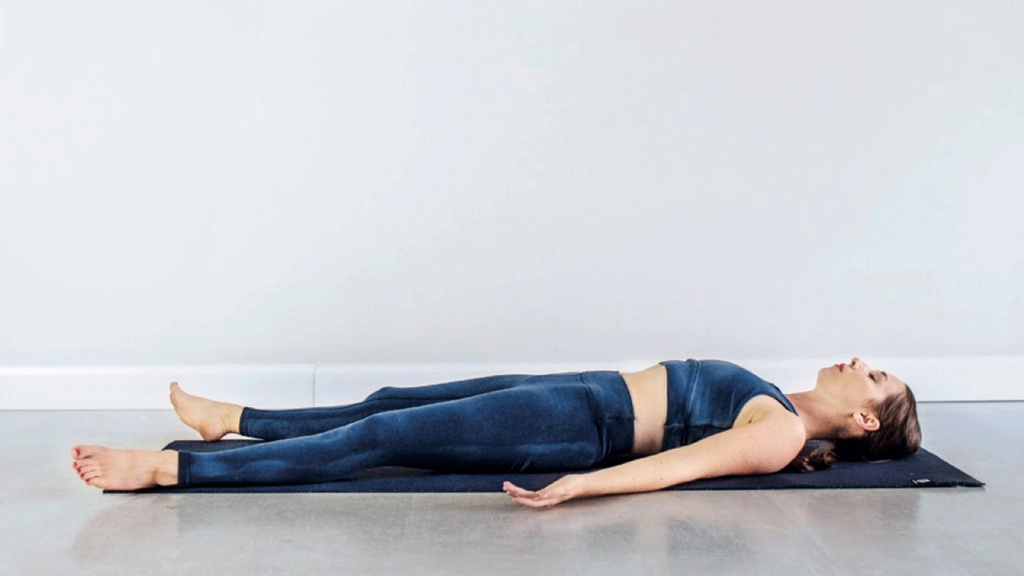
This gentle practice creates the perfect balance to our busy, yang-dominated lifestyles. While yang activities like running, vinyasa yoga, or weight training build heat and work the muscles, Yin Yoga cools and calms your entire system.
The Origins and Philosophy of Yin Yoga
Yin Yoga draws inspiration from traditional Chinese medicine and Taoist philosophy. The practice was developed in the late 1970s by martial arts expert Paulie Zink and later refined by teachers Paul Grilley and Sarah Powers.
The concept of yin and yang represents complementary forces in nature. Yin qualities include stillness, coolness, and introspection, while yang represents movement, heat, and external focus. Yin Yoga embodies these quieter qualities, creating space for deep inner work.
How Yin Yoga Works: What Happens in Your Body
When you hold a Yin Yoga pose for several minutes, something remarkable happens beneath the surface. The extended holds allow you to access deeper layers of connective tissue that shorter holds cannot reach.
Here’s what occurs during a Yin Yoga practice:
Physical Benefits:
- Increases flexibility in joints and connective tissues
- Improves circulation throughout the body
- Enhances range of motion naturally
- Releases tension stored deep in the fascia
- Lubricates and strengthens joints over time
Mental and Emotional Benefits:
- Reduces stress and anxiety levels
- Promotes deep relaxation and mindfulness
- Helps process emotions held in the body
- Improves focus and mental clarity
- Supports better sleep quality
Key Principles of Yin Yoga Practice
1. Come Into the Pose to an Appropriate Depth
You should feel sensation, but never pain. Find your edge—the point where you feel a gentle stretch without forcing or straining.
2. Resolve to Remain Still
Once you’re in the pose, minimize movement. This stillness allows the tissues to respond and release gradually. Small adjustments are fine, but constant fidgeting reduces the benefits.
3. Hold the Pose for Time
Patience is essential in Yin Yoga. Beginners typically hold poses for 3 to 5 minutes, while experienced practitioners may stay in poses for 8 to 10 minutes.
Common Yin Yoga Poses for Beginners

Butterfly Pose (Baddha Konasana): Sitting with feet together and knees apart, fold forward gently. This pose opens the hips and lower back beautifully.
Dragon Pose (Low Lunge): A deep hip flexor stretch that releases tension from sitting. One foot forward, back knee down, sink the hips forward slowly.
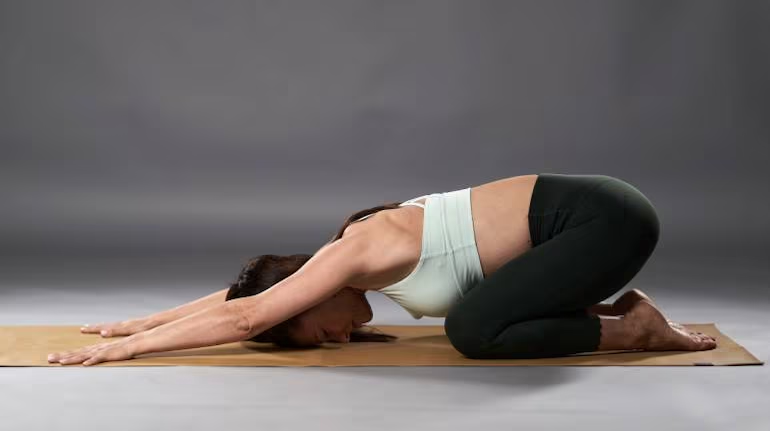
Child’s Pose (Balasana): A restful pose that gently stretches the spine and hips. Knees wide, forehead to the mat, arms extended forward.
Caterpillar Pose (Seated Forward Fold): Sitting with legs extended, fold forward from the hips. This pose targets the entire back body.
Sleeping Swan (Pigeon Pose): A powerful hip opener that many people find both challenging and deeply releasing.
Yin Yoga vs. Other Yoga Styles
Understanding how Yin Yoga differs from other practices helps you choose the right style for your needs:
Yin Yoga characteristics:
- Passive, floor-based poses
- Long hold times (3-5+ minutes)
- Targets connective tissues
- Cooling and calming energy
- Minimal muscular engagement
Yang Yoga characteristics (Vinyasa, Ashtanga, Power Yoga):
- Active, flowing movements
- Short hold times (5 breaths or less)
- Targets muscular system
- Heating and energizing
- Strong muscular engagement
Who Should Practice Yin Yoga?
Yin Yoga is ideal for anyone seeking a gentler, more introspective practice. It’s particularly beneficial for athletes, runners, and people with high-stress jobs who need to balance intense activity with deep recovery.
Beginners find Yin Yoga accessible because it doesn’t require significant strength or previous yoga experience. Older adults appreciate the joint-friendly nature of the practice. Even experienced yogis benefit from adding Yin sessions to complement their more dynamic practices.
Getting Started with Yin Yoga: Tips for Beginners
Create a Comfortable Space: Use plenty of props—bolsters, blankets, blocks, and cushions. Yin Yoga is about support and comfort, not struggling.
Start Slowly: Begin with 2-3 minute holds and gradually increase the duration as your body adapts to the practice.
Focus on Your Breath: Let your breathing be natural and relaxed. The breath helps you settle deeper into poses and stay present.
Be Patient with Yourself: You might feel discomfort, restlessness, or even emotional releases. All of this is normal and part of the healing process.
Practice Regularly: Even 20 minutes twice a week can create noticeable changes in your flexibility and stress levels.
Conclusion: Your Journey with Yin Yoga Begins Now
Yin Yoga offers a powerful antidote to our fast-paced world. This gentle practice teaches patience, acceptance, and the art of letting go—lessons that extend far beyond your yoga mat.
Whether you’re seeking physical flexibility, stress relief, or a deeper connection with yourself, Yin Yoga provides a welcoming path forward. The beauty of this practice lies in its simplicity and accessibility.
Ready to experience the transformative benefits of Yin Yoga? Find a local class, try an online video, or simply roll out your mat at home and begin exploring this beautiful practice today.
About the Author: This article is written and published by Kundalini Yogashala, a Yoga Alliance–certified yoga school based in Rishikesh, India, with over 10 years of teaching experience. Kundalini Yogashala offers authentic Yoga Teacher Training Courses and Yoga Retreats in Rishikesh, Goa, and Bali, guided by experienced yoga masters rooted in traditional yogic wisdom and modern practices. Our teachings focus on holistic wellness, mindfulness, and spiritual growth through yoga.