
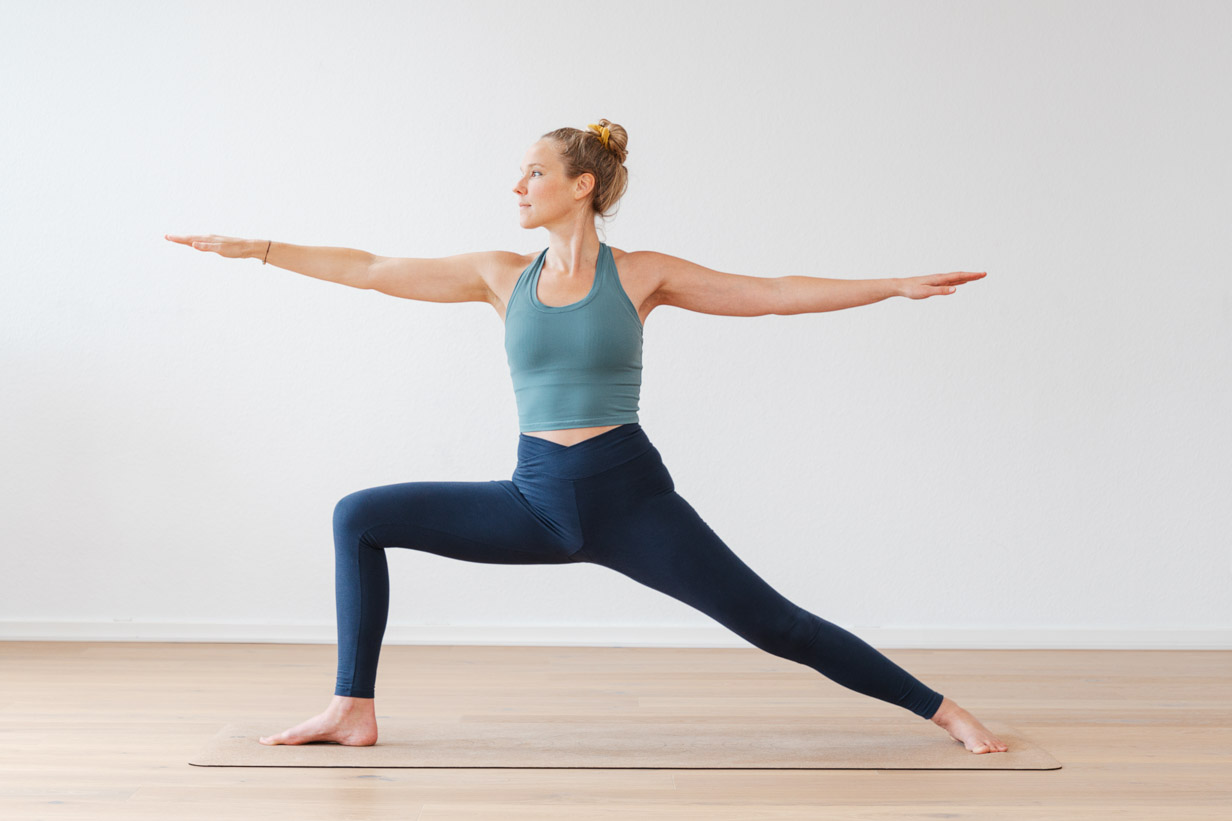
Hatha yoga is one of the most popular and beginner-friendly yoga styles in the world. The word “Hatha” comes from two Sanskrit words—Ha meaning “sun” and Tha meaning “moon.” Together, Hatha Yoga means balancing opposite energies inside the body. This practice focuses on physical postures (asanas), breathing techniques (pranayama), and relaxation. Many modern yoga styles, like Vinyasa and Power Yoga, come from Hatha Yoga roots. Beginners love Hatha Yoga because it is slow, gentle, and easy to follow. It helps improve flexibility, posture, and mental calmness without putting too much pressure on the body. If you are starting yoga for the first time, Hatha Yoga is the best foundation practice. It prepares your body and mind for deeper yoga and meditation practices while building strength, stability, and inner awareness in a safe and structured way.
What Happens in a Hatha Yoga Class?
A typical Hatha Yoga class is calm, slow, and structured for all levels. Unlike fast yoga styles, Hatha focuses on holding poses longer and breathing deeply. This helps beginners understand alignment and body movement. Classes usually begin with simple breathing exercises to relax the mind. Then warm-up stretches prepare muscles and joints. After that, teachers guide students through basic yoga postures like standing, sitting, and lying poses. Each pose is held for a few breaths to build strength and balance. The session ends with relaxation or meditation, allowing the body to absorb benefits. Because of its slow pace, Hatha Yoga is perfect for stress relief and mental clarity. People of all ages can practice it safely. Whether your goal is fitness, flexibility, or peace of mind, Hatha Yoga classes create a strong base for long-term wellness and healthy living.
Key Benefits of Hatha Yoga
Hatha yoga offers physical, mental, and emotional benefits. Regular practice improves overall lifestyle and health naturally without medication. It is especially helpful for beginners who want gentle but effective fitness.
Main Benefits:
- Improves body flexibility and posture
- Strengthens muscles and joints
- Reduces stress and anxiety
- Improves breathing capacity
- Boosts blood circulation
- Supports weight management
- Enhances focus and concentration
- Promotes better sleep quality
Hatha yoga also balances the nervous system. Slow breathing calms the brain and reduces overthinking. Many doctors recommend yoga for lifestyle disorders like high blood pressure and diabetes support. Office workers benefit from posture correction and back pain relief. Over time, practitioners feel more energetic, emotionally balanced, and mentally clear. This holistic improvement makes Hatha Yoga one of the most trusted yoga practices worldwide for long-term health and inner stability.
Basic Hatha Yoga Poses For Beginners
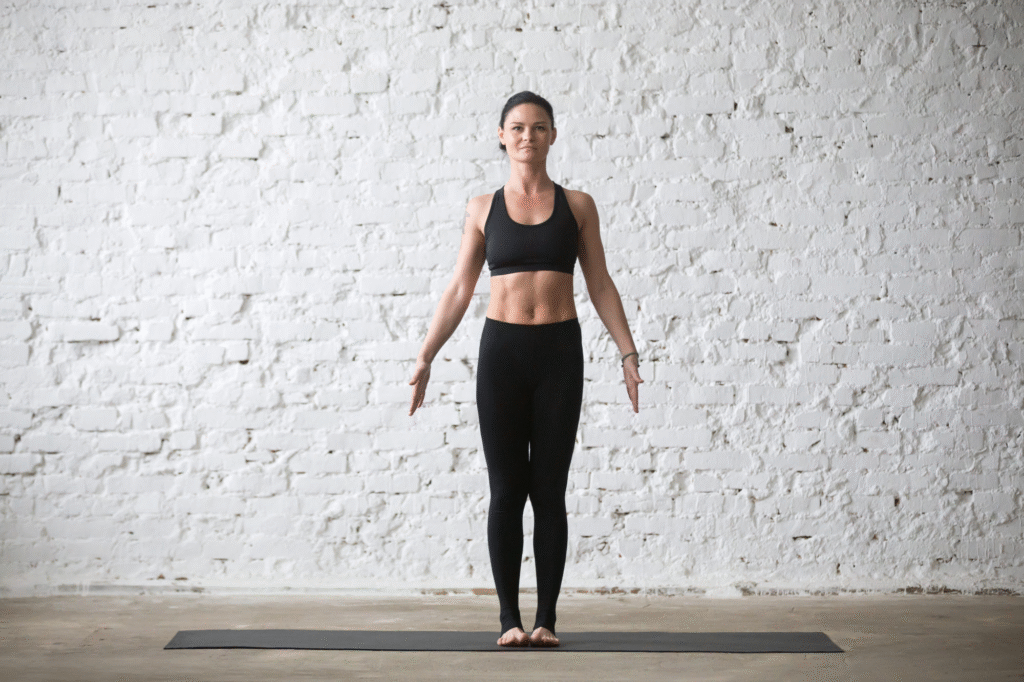
1. Mountain Pose (Tadasana)
Stand tall with feet together. Keep your arms at your sides. Breathe deeply and feel grounded. This pose improves posture and balance.
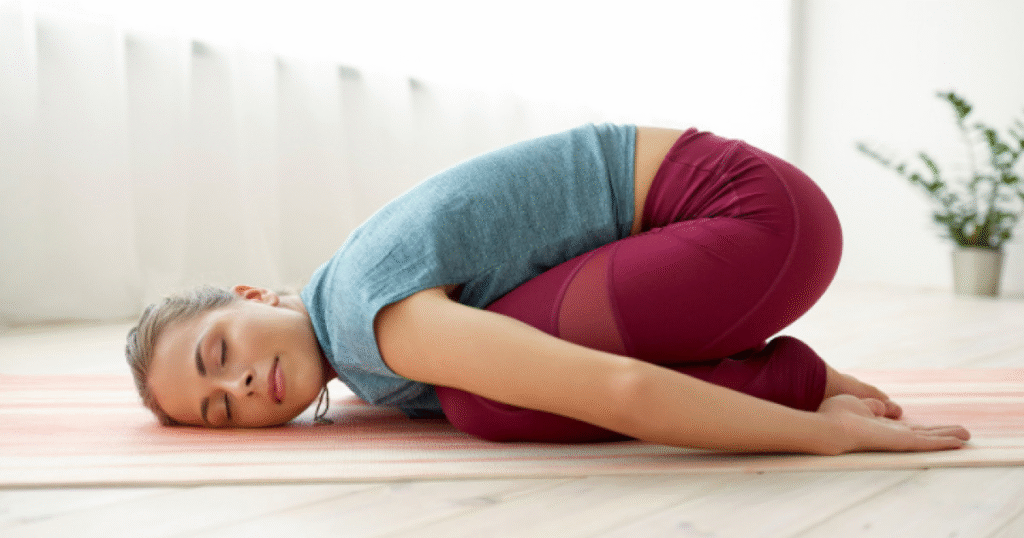
2. Child’s Pose (Balasana)
Kneel down and sit on your heels. Bend forward and rest your forehead on the floor. Stretch your arms forward. This pose relaxes your back and neck.
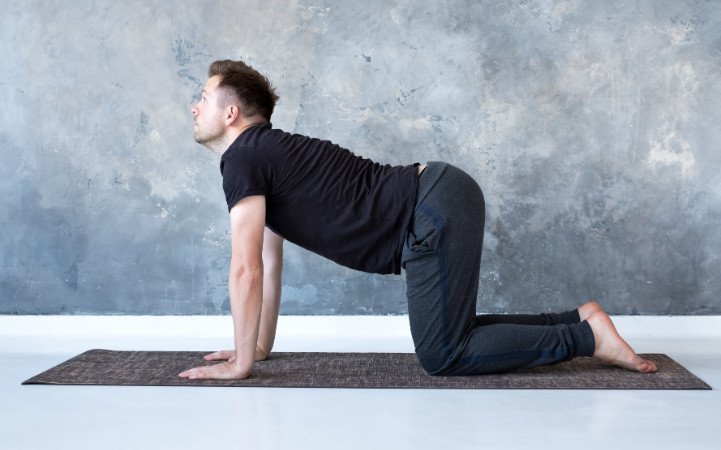
3. Cat-Cow Pose (Marjaryasana)
Get on your hands and knees. Arch your back up like a cat, then curve it down like a cow. This pose loosens your spine and relieves tension.
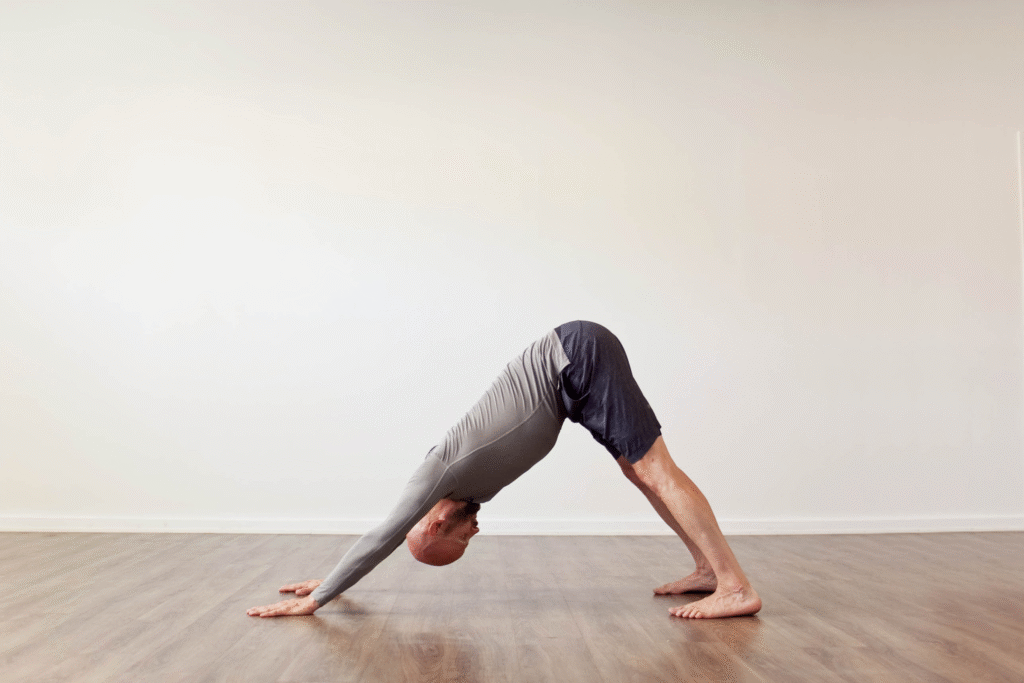
4. Downward Dog (Adho Mukha Svanasana)
Start on hands and knees. Lift your hips up to form a triangle shape. This pose stretches your whole body and builds strength.
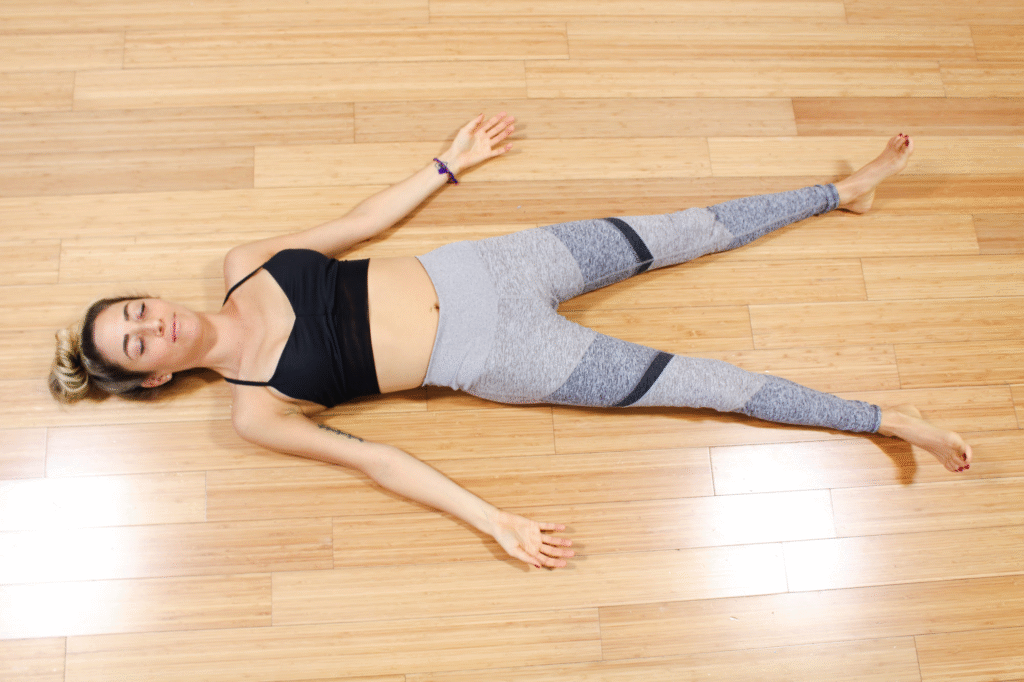
5. Corpse Pose (Savasana)
Lie flat on your back with arms at your sides. Close your eyes and relax completely. This final relaxation pose helps your body absorb all the benefits.
These poses are held for longer durations in Hatha Yoga. This builds endurance and body awareness. Teachers also focus on breath coordination with movement. Beginners should practice slowly and avoid force. With regular practice, these basic poses become easier and prepare the body for advanced yoga styles. Consistency is more important than difficulty in Hatha Yoga practice.
Hatha Yoga vs Other Yoga Styles
Many people get confused between Hatha Yoga and other yoga forms. Hatha yoga is slower and more traditional compared to modern fitness yoga styles. Understanding differences helps beginners choose the right practice.
Key Differences:
- Hatha Yoga: Slow, gentle, pose holding, breath focus
- Vinyasa Yoga: Fast flow, continuous movement
- Ashtanga Yoga: Structured, physically intense
- Power Yoga: Fitness-focused, strength-building
- Kundalini Yoga: Energy awakening, chanting + meditation
Hatha yoga is the base of all physical yoga styles. If you are new, starting with fast yoga can cause injury or burnout. Hatha builds flexibility first, then strength. It teaches posture alignment, breathing control, and mind focus. That’s why most yoga schools recommend Hatha Yoga for beginners before moving to dynamic styles. It creates a safe learning environment for long-term yoga growth.
Who Should Practice Hatha Yoga?
Hatha yoga is suitable for almost everyone. Its slow pace makes it accessible across age groups and fitness levels. Even people recovering from illness or injury can practice with guidance.
Best for:
- Yoga beginners
- Office workers with back pain
- Seniors seeking gentle exercise
- Students facing stress
- People with anxiety or sleep issues
- Fitness starters needing flexibility
Because poses are adjustable, teachers modify them based on body ability. Pregnant women and people with medical conditions should consult professionals before starting. Hatha yoga is not about competition—it is about personal growth and balance. Anyone looking for physical health with mental peace will benefit greatly from consistent practice.
Tips to Start Hatha Yoga Practice
Starting correctly ensures safe and effective yoga results. Beginners should follow simple guidelines to build a sustainable routine.
Beginner Tips:
- Practice on an empty stomach
- Use a yoga mat for grip
- Wear comfortable clothes
- Focus on breathing, not speed
- Do not force flexibility
- Practice 3–5 times weekly
- Learn from a certified teacher
Morning practice is considered best because the mind is fresh and calm. However, evening sessions also help release daily stress. Consistency matters more than duration. Even 20 minutes daily can bring visible improvements in flexibility, mood, and energy levels within weeks.
Conclusion
Hatha yoga is the perfect starting point for anyone entering the yoga journey. It combines physical postures, breathing, and relaxation to create total body-mind balance. Its slow pace, beginner-friendly structure, and holistic benefits make it one of the most practiced yoga styles worldwide. From improving flexibility to reducing stress, Hatha Yoga supports both physical fitness and mental wellness. Whether your goal is health, peace, or spiritual growth, this ancient practice offers a safe and powerful path. By practicing regularly and mindfully, beginners can build a strong yoga foundation that supports lifelong well-being, inner harmony, and natural healing.
About The Author
Kundalini Yogashala Team
Kundalini Yogashala is a traditional yoga school based in Rishikesh, India—known as the Yoga Capital of the World. The content shared on this website is created by our experienced yoga teachers and wellness experts who have deep knowledge of classical yoga, meditation, pranayama, and yogic philosophy. With more than 10 years of teaching experience, our team is dedicated to spreading authentic yogic wisdom in a simple and practical way for modern learners.
Our lead guidance comes from Yogi Kalpendra Chauhan, an ERYT-500 certified yoga teacher with over 16 years of experience in yoga teacher training, therapy, and spiritual practices. Through our blogs, we aim to educate, inspire, and support yoga students worldwide—from beginners to advanced practitioners.
We believe yoga is not just a practice but a lifestyle for physical health, mental clarity, and spiritual growth.