
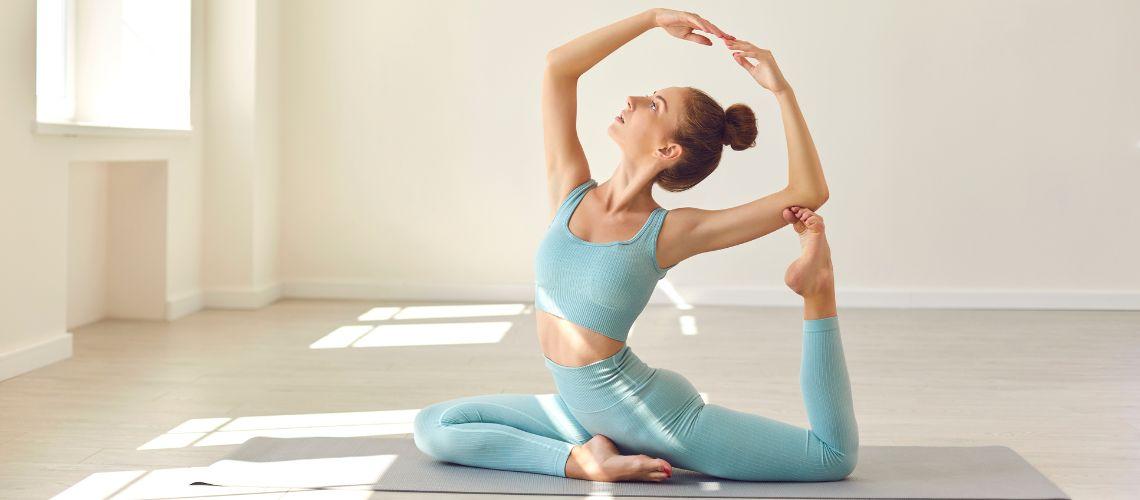
Power yoga is a fast-paced, fitness-focused style of yoga designed to build strength, flexibility, and endurance.
Unlike traditional yoga, which often emphasizes slow movements and meditation, power yoga is more intense and dynamic. It typically involves flowing sequences of poses (similar to Vinyasa yoga) performed at a quicker pace, often with added strength-building elements like planks, push-ups, and core work.
Key Features of Power Yoga:
- Fast movements between yoga poses
- Strength-building exercises for your whole body
- No fixed sequence—teachers can change poses based on class needs
- Focus on fitness along with mental peace
- Great for burning calories and losing weight
Power yoga became popular in the 1990s in America. Fitness experts wanted to make yoga more appealing to people who love intense workouts.
Power Yoga vs. Regular Yoga: What’s the Difference?
Many people wonder how power yoga is different from normal yoga. Here are the main differences:
Power Yoga vs Traditional Yoga
| Feature | Power Yoga | Traditional Yoga |
|---|---|---|
| Speed | Fast | Slow |
| Focus | Fitness and Strength | Relaxation + Flexibility |
| Sweat Level | High | Low to Moderate |
| Calorie Burn | High | Moderate |
| Sequence | Flexible | Fixed |
Both styles are good for health. Choose power yoga if you want a challenging workout. Pick regular yoga if you want to relax and reduce stress.
Amazing Health Benefits of Power Yoga
Power yoga offers many benefits for your body and mind. Here’s what you can gain from regular practice:
Physical Benefits:
1. Weight Loss: Power yoga helps you burn 300-400 calories in one hour. The constant movement speeds up your metabolism and helps you lose extra weight.
2. Muscle Strength Every pose works different muscle groups. You will get stronger arms, legs, and core muscles without using gym equipment.
3. Better Flexibility Regular practice makes your body more flexible. You can bend and stretch easily without pain or stiffness.
4. Improved Balance Many power yoga poses require balance. This improves your coordination and body control.
5. Heart Health The fast movements make your heart work harder. This improves blood circulation and keeps your heart healthy.
Mental Benefits:
- Reduces stress and anxiety
- Improves focus and concentration
- Boosts confidence and self-esteem
- Helps you sleep better at night
- Increases energy levels throughout the day
Who Should Try Power Yoga?
Power yoga is great for many types of people:
- Fitness lovers who want to try something new
- Athletes looking for cross-training options
- Busy professionals who need quick, effective workouts
- People wanting weight loss through exercise
- Anyone who wants to build strength and flexibility together
However, power yoga might not be right for everyone. You should avoid it if you:
- Have serious joint problems or injuries
- Are pregnant (try prenatal yoga instead)
- Have heart conditions (consult your doctor first)
- Are completely new to exercise (start with gentle yoga)
Basic Power Yoga Poses for Beginners
If you’re new to power yoga, start with these simple poses:
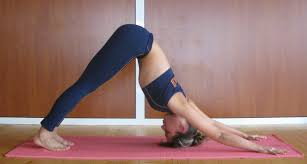
1. Downward Facing Dog (Adho Mukha Svanasana) is a basic Power Yoga pose that stretches the whole body. It lengthens the spine, opens the shoulders, and stretches the hamstrings and calves. This pose also builds arm and core strength while improving balance. In Power Yoga classes, Downward Dog is used many times in flow sequences to connect poses and improve flexibility, strength, and body alignment.
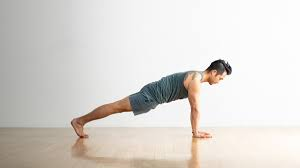
2. Plank Pose is a powerful Power Yoga pose that builds core strength and full-body stability. In this pose, you hold your body straight like a wooden plank while balancing on your hands and toes. It strengthens the abs, arms, shoulders, and back. Plank Pose is often used in power yoga flows to improve endurance, posture, and muscle tone, making it great for beginners who want strength and balance.
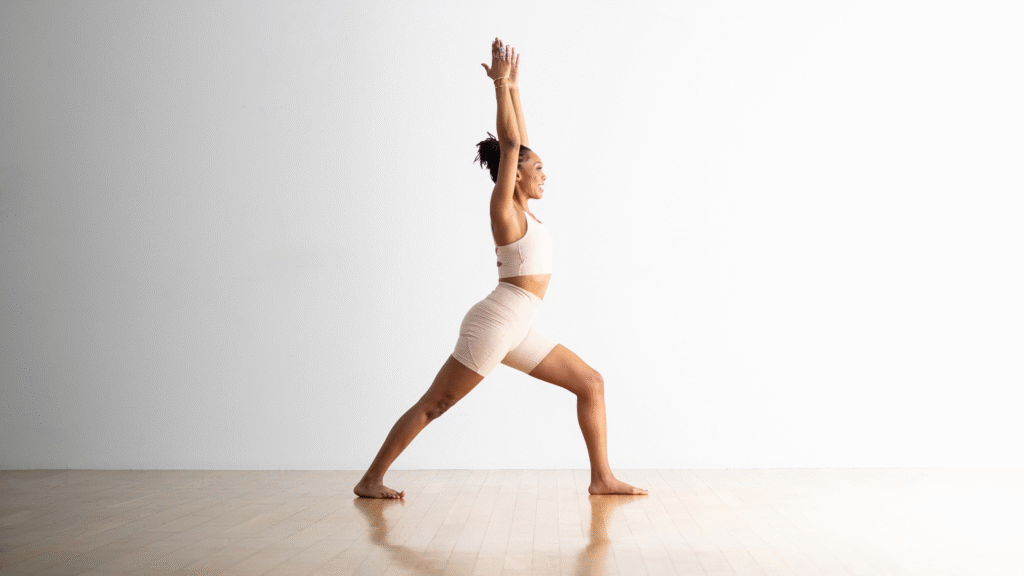
3. Warrior Poses: Warrior Poses are strong standing Power Yoga poses that build leg strength and improve body balance. These poses also open the hips, stretch the chest, and increase stamina. Warrior poses are commonly used in power yoga flows to develop stability, focus, and lower-body power, making them great for beginners.
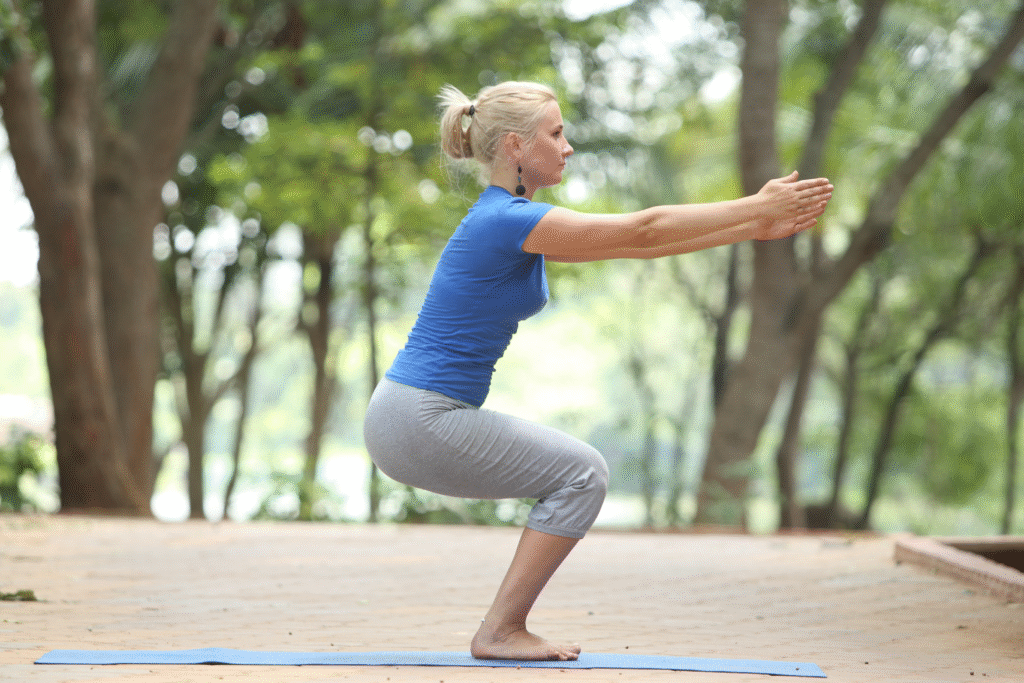
4. Chair pose is a powerful Power Yoga pose that works your thigh muscles and builds lower-body strength. In this pose, you sit back like you are sitting on an invisible chair, which improves endurance and balance. Chair Pose also strengthens the core, back, and knees, making it great for beginners who want strength and stamina.
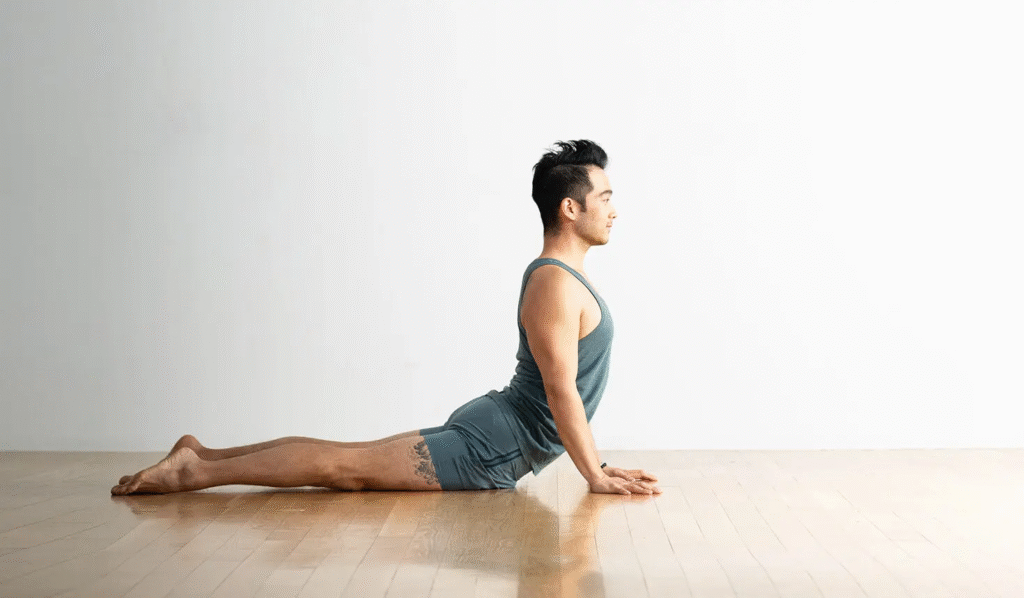
5. Cobra Pose is a gentle backbend power yoga pose that strengthens your back muscles and improves spine flexibility. It opens the chest and lungs, helping you breathe better and deeper. Cobra Pose is often used in power yoga flows to improve posture, reduce back stiffness, and build upper-body strength, making it suitable for beginners.
Remember to breathe deeply while holding each pose. Never push yourself too hard, especially when starting out.
How to Start Power Yoga—Beginner Guide
Starting power yoga is simple when you follow the right steps. First, choose a beginner or Level-1 Power Yoga class so you can learn correct posture and breathing. Wear comfortable, stretchable workout clothes that allow easy movement. Always use a good yoga mat to prevent slipping and reduce injury risk. Stay hydrated by drinking water before and after your session. Focus on steady breathing during every pose—never hold your breath. For best results, practice Power Yoga 3–4 times a week. Regular practice improves strength, flexibility, stamina, and overall fitness, making your yoga journey safe and effective.
Follow these simple steps:
Step 1: Choose the Right Class
Start with a beginner or Level-1 power yoga class so you can learn the basics slowly. A certified instructor will guide you on correct posture, breathing, and pose alignment. This helps prevent injury and builds a strong foundation for advanced practice
Step 2: Wear Comfortable Clothes
Always wear stretchable and breathable workout clothes. Comfortable clothing allows free body movement during dynamic yoga flows. Proper yoga wear also helps you maintain balance and focus without discomfort.
Step 3: Use a Yoga Mat
A good-quality yoga mat is essential for Power Yoga practice. It provides grip, prevents slipping, and protects your joints during strength poses. Using a mat also improves stability and confidence while performing flows.
Step 4: Stay Hydrated
Drink water before and after your power yoga session to keep your body hydrated. Since Power Yoga is intense and sweat-producing, hydration supports energy levels, muscle recovery, and overall performance.
Step 5: Focus on Breathing
Breathing is a key part of Power Yoga. Always synchronize your breath with movement and never hold your breath during poses. Proper breathing improves stamina, reduces fatigue, and enhances mind-body connection.
Step 6: Practice 3–4 Times Weekly
Consistency is the secret to results. Practicing Power Yoga 3–4 times a week helps build strength, flexibility, and endurance. Regular sessions also improve posture, balance, and mental focus over time.
Conclusion
Power yoga is an excellent workout for building strength, losing weight, and improving overall fitness. It combines the ancient wisdom of yoga with modern fitness training. Whether you want to get stronger, more flexible, or just try something new, power yoga can help you reach your goals.
Start with beginner classes and practice regularly. Soon you’ll feel stronger, more energetic, and healthier. Remember, everyone starts somewhere—the most important step is to begin!
About The Author
Kundalini Yogashala Team
Kundalini Yogashala is a traditional yoga school based in Rishikesh, India—known as the Yoga Capital of the World. The content shared on this website is created by our experienced yoga teachers and wellness experts who have deep knowledge of classical yoga, meditation, pranayama, and yogic philosophy. With more than 10 years of teaching experience, our team is dedicated to spreading authentic yogic wisdom in a simple and practical way for modern learners.
Our lead guidance comes from Yogi Kalpendra Chauhan, an ERYT-500 certified yoga teacher with over 16 years of experience in yoga teacher training, therapy, and spiritual practices. Through our blogs, we aim to educate, inspire, and support yoga students worldwide—from beginners to advanced practitioners.
We believe yoga is not just a practice but a lifestyle for physical health, mental clarity, and spiritual growth.