
Kundalini energy is believed to be a hidden spiritual power inside every human being. It lies at the base of the spine and moves upward through chakras when activated.
Key Features of Kundalini Energy
- It represents spiritual awakening
- It connects mind, body, and soul
- It flows through energy channels called nadis
- It activates higher awareness
When this energy rises slowly and safely, it can improve concentration, creativity, and emotional stability.
Why Beginners Should Learn Advanced Kundalini Meditation Techniques
Many beginners think they should only do basic meditation. However, learning simplified advanced techniques early can give better results.
Benefits for Beginners
- Improves focus and mental clarity
- Reduces stress and anxiety
- Increases self-awareness
- Enhances emotional control
- Boosts inner peace
Starting with guided and safe methods helps avoid confusion and builds confidence.
Preparation Before Starting Kundalini Meditation
Before practicing advanced Kundalini meditation techniques, preparation is essential.
Create a Calm Environment
Choose a quiet place where you will not be disturbed. A clean and peaceful space helps the mind relax.
Correct Sitting Posture
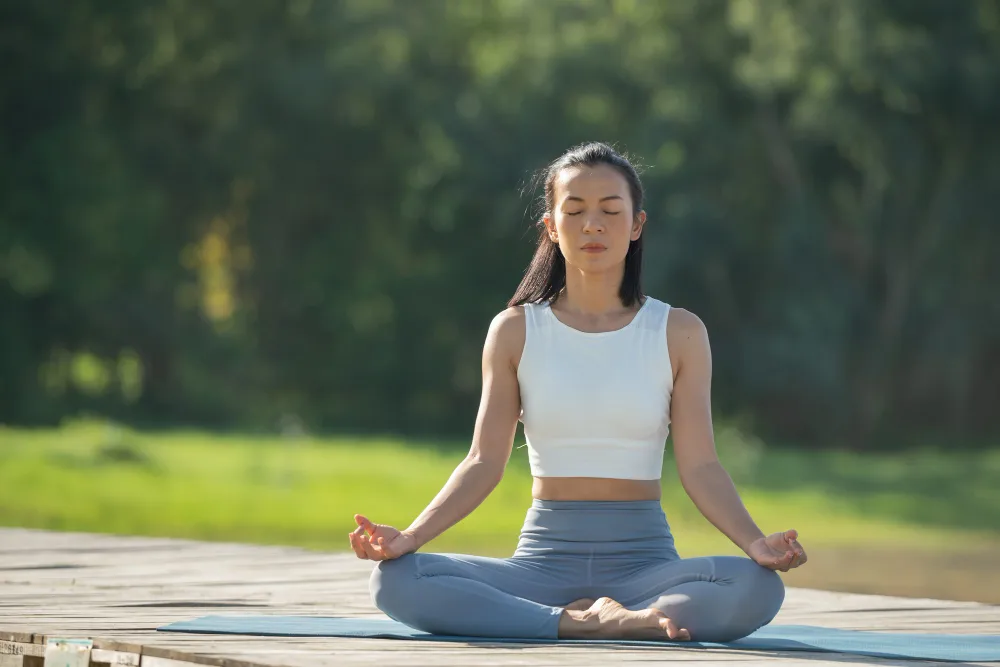
Sit comfortably with a straight spine. You can sit cross-legged or on a chair. The spine should remain upright to allow energy flow.
Set Intention
Before starting, take a moment to set a clear intention such as calmness, healing, or focus.
Basic Breathing Technique for Kundalini Meditation
Breathing is the foundation of all advanced practices. Without proper breathing, energy cannot flow correctly.
Simple Breathing Steps
- Inhale slowly through the nose
- Hold for a few seconds
- Exhale gently
- Repeat for 5–10 minutes
This exercise prepares your body and mind for deeper meditation.
Technique 1: Spinal Awareness Meditation
This method is one of the safest advanced Kundalini meditation techniques for beginners.
How to Practice
- Sit with eyes closed
- Focus on your spine
- Imagine energy moving upward with each breath
- Stay aware of sensations
Benefits
- Improves concentration
- Activates energy channels
- Builds inner awareness
Technique 2: Chakra Focus Meditation
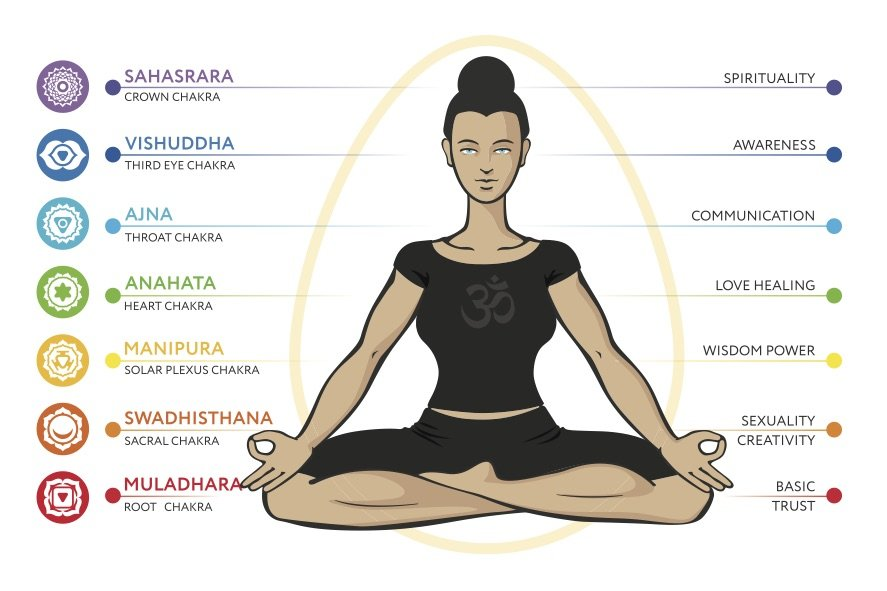
Chakras are energy centers in the body. Focusing on them helps balance emotions.
Steps
- Start from the base chakra
- Move attention slowly upward
- Spend a few seconds on each chakra
- Visualize light or energy
Benefits
- Balances emotions
- Enhances mental clarity
- Supports energy flow
Technique 3: Mantra-Based Kundalini Meditation
Mantras are sound vibrations that help focus the mind.
How to Practice
- Choose a simple mantra like “Om.”
- Repeat it silently or softly
- Synchronize with breathing
Benefits
- Calms the mind
- Improves focus
- Deepens meditation
Technique 4: Breath of Fire (Beginner Version)
This is a powerful breathing technique used in advanced Kundalini meditation techniques.
Steps
- Sit straight
- Take quick, rhythmic breaths
- Focus on the navel movement
- Practice for 1–2 minutes
Benefits
- Energizes the body
- Clears mental fog
- Strengthens lungs
Note: Beginners should practice slowly and avoid overdoing it.
Technique 5: Visualization Meditation
Visualization helps activate the mind’s creative power.
How to Practice
- Close your eyes
- Imagine light rising through your spine
- Feel warmth and energy
Benefits
- Improves imagination
- Enhances focus
- Supports emotional healing
Technique 6: Silent Awareness Meditation
This is a simple but deep technique.
Steps
- Sit quietly
- Observe your thoughts without reacting
- Let thoughts pass naturally
Benefits
- Reduces stress
- Builds mindfulness
- Improves mental clarity
Technique 7: Energy Lock Awareness (Basic Level)
Energy locks, also called bandhas, help control energy flow.
Beginner Approach
- Gently engage lower abdominal muscles
- Hold briefly during breath retention
- Release slowly
Benefits
- Supports energy movement
- Strengthens core awareness
- Enhances meditation depth
Common Mistakes Beginners Should Avoid
While practicing advanced Kundalini meditation techniques, beginners often make mistakes.
Avoid These Errors
- Forcing energy movement
- Practicing without guidance
- Ignoring body signals
- Overdoing breathing techniques
Always practice slowly and safely.
Daily Routine for Better Results
Consistency is key in Kundalini meditation.
Suggested Routine
- Morning meditation (10–15 minutes)
- Light breathing practice
- Evening relaxation meditation
Even small daily efforts can bring significant changes over time.
Safety Tips for Beginners
Kundalini meditation is powerful, so safety is important.
Important Guidelines
- Start with short sessions
- Stay relaxed and calm
- Stop if you feel discomfort
- Learn gradually
Listening to your body is essential.
FAQs About Advanced Kundalini Meditation Techniques
1. Can beginners practice advanced Kundalini meditation techniques?
Yes, beginners can practice simplified versions safely with proper guidance and slow progression.
2. How long should I meditate daily?
Start with 10–15 minutes and gradually increase as you feel comfortable.
3. Is Kundalini meditation dangerous?
It is safe when practiced correctly and slowly. Avoid forcing techniques.
4. Do I need a teacher?
A teacher can help, but beginners can start with simple guided practices.
5. What should I feel during meditation?
You may feel calmness, warmth, or light energy movement. Experiences vary for each person.
6. How long does it take to see results?
Some benefits like relaxation appear quickly, while deeper changes take time and consistency.
Conclusion
Advanced Kundalini meditation techniques are not as difficult as they sound. With simple steps, beginners can safely explore deeper levels of awareness and inner energy.
The key is patience, consistency, and mindfulness. Start small, stay regular, and gradually build your practice. Over time, you will notice better focus, emotional balance, and a stronger connection with your inner self.
Kundalini meditation is not just a technique—it is a journey toward self-discovery and inner peace.
About the Author
Kundalini Yogashala is a well-known yoga school based in Rishikesh, India, often called the Yoga Capital of the World. With over 10 years of teaching experience, the school offers traditional and authentic yoga education focused on personal growth, inner awareness, and energy awakening.
Experienced yoga teachers specializing in Kundalini Yoga, meditation, pranayama, and yoga philosophy lead the team at Kundalini Yogashala. Their teaching style is simple, practical, and beginner-friendly, making it easy for students to understand deep spiritual concepts like Kundalini vs. spiritual awakening.
Through their blogs and teachings, Kundalini Yogashala aims to guide beginners on their spiritual journey with clear, honest, and experience-based knowledge.