
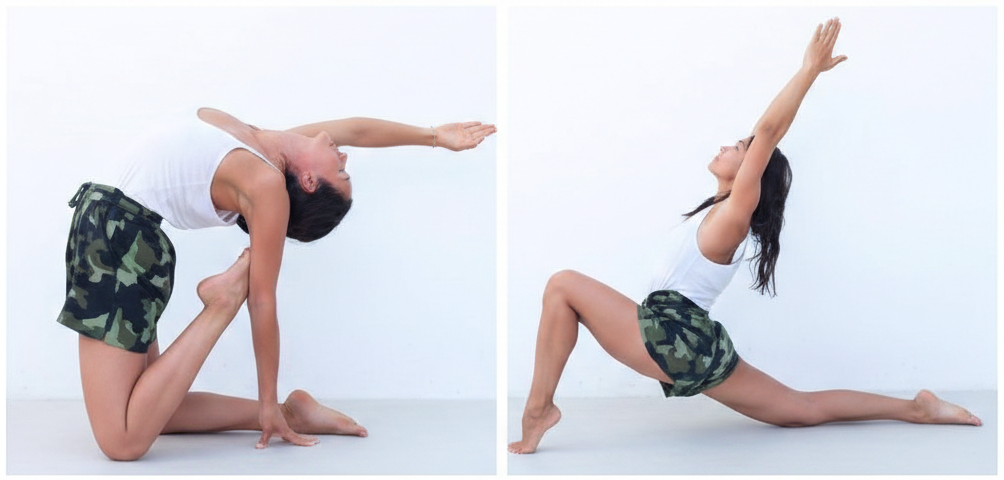
Yoga is one of the best natural ways to improve physical health and mental peace. Many beginners start yoga but feel confused when they hear different yoga styles. Two of the most popular styles are Hatha Yoga and Vinyasa Yoga. Both come from traditional yoga, but their practice method is very different. Hatha Yoga is slow and calm, while Vinyasa Yoga is fast and flowing. Choosing the right yoga style depends on your body strength, flexibility, and fitness goal. Some people want relaxation and stress relief, while others want weight loss and stamina. This beginner guide explains the difference between Hatha and Vinyasa yoga in simple English. After reading this blog, you will clearly understand which yoga style is best for beginners, weight loss, flexibility, and mental health.
- Yoga improves body and mind balance
- Hatha and Vinyasa are most searched yoga styles
- Practice style and speed are different
- Both have unique benefits
- Choosing the right style is important
What is Hatha Yoga?
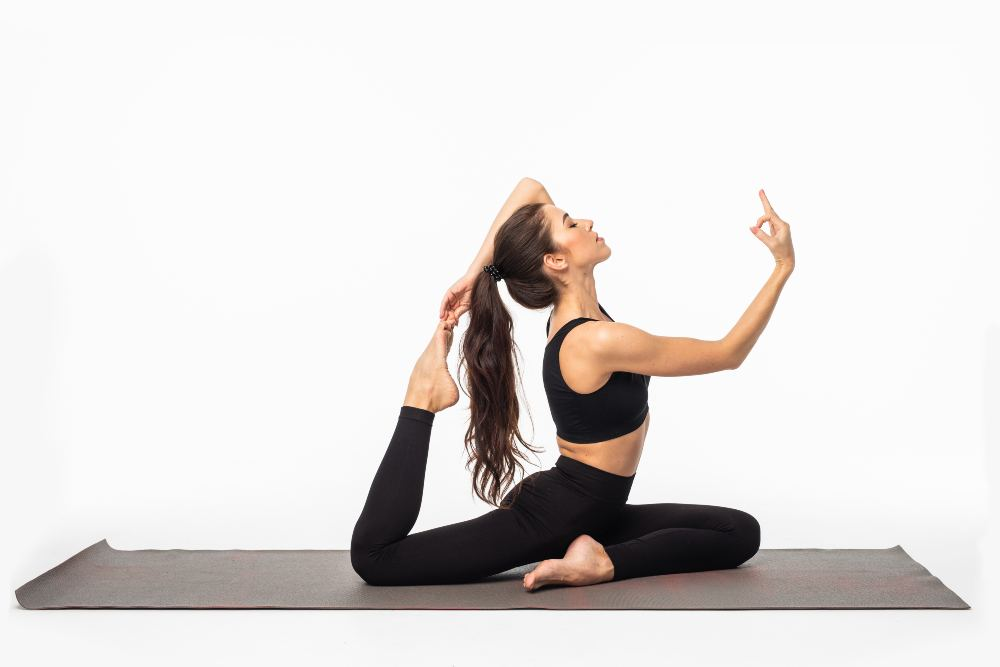
Hatha yoga is a traditional and gentle form of yoga that focuses on basic poses and breathing control. It is considered the base or foundation of all yoga styles. In Hatha Yoga, each pose is held for a longer time so the body can adjust slowly. This makes it perfect for beginners who are learning yoga for the first time. Breathing exercises, also called pranayama, are an important part of this practice. Hatha yoga helps improve flexibility, posture, and mental calmness. Because the pace is slow, it does not put too much pressure on muscles or joints. Many people practice Hatha Yoga to reduce stress and anxiety. It is also recommended for seniors and people recovering from injury.
- Slow and gentle yoga style
- Focus on basic poses
- Long pose holding time
- Includes breathing practice
- Best for beginners and seniors
What is Vinyasa yoga?
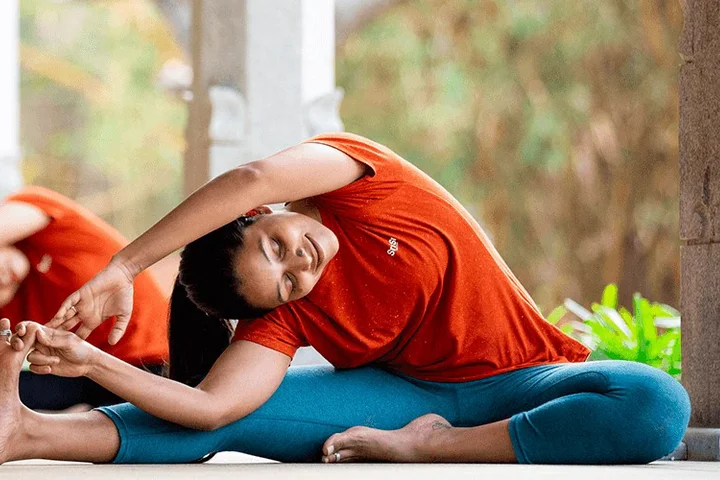
Vinyasa yoga is a dynamic and fast-moving yoga style where poses flow continuously. It is often called Flow Yoga because movements are connected smoothly. In this practice, breathing and body movement happen together. Each inhale and exhale guides the next pose. Unlike Hatha Yoga, poses are not held for long. The body keeps moving, which increases heart rate and body heat. This makes Vinyasa Yoga feel like a workout. It improves stamina, strength, flexibility, and balance. Many people choose Vinyasa Yoga for weight loss and fitness. Classes are creative because sequences change every session. Beginners may find it challenging at first, but regular practice makes it easier and enjoyable.
- Fast and flowing yoga style
- Breath linked with movement
- Short pose holding time
- Burns more calories
- Best for fitness lovers
Difference Between Hatha and Vinyasa Yoga
Both yoga styles are beneficial but differ in speed, intensity, and purpose. Hatha yoga focuses on stillness and posture alignment, while Vinyasa focuses on continuous movement. Hatha classes are calm and structured, whereas Vinyasa classes are energetic and creative. Beginners usually start with Hatha to learn basics, then move to Vinyasa for strength and stamina. Understanding these differences helps practitioners choose the right yoga practice according to their health goals.
Comparison Table
| Feature | Hatha Yoga | Vinyasa Yoga |
|---|---|---|
| Pace | Slow | Fast |
| Style | Static poses | Flowing poses |
| Breathing | Separate practice | Linked with movement |
| Difficulty | Easy–Moderate | Moderate–Intense |
| Calories Burn | Low | High |
| Best For | Relaxation | Fitness |
- Hatha = Calm and slow
- Vinyasa = Energetic flow
- Different calorie burn levels
- Different difficulty levels
- Both improve flexibility
Benefits of Hatha Yoga
Hatha yoga provides deep physical and mental benefits, especially for beginners. Because poses are slow, the body gets time to learn alignment correctly. This reduces injury risk and builds flexibility safely. Hatha yoga improves posture and spinal health. Breathing exercises calm the nervous system and reduce stress hormones. Many people experience better sleep after regular practice. It also improves focus and emotional balance. Doctors often recommend Hatha Yoga for people with anxiety, high blood pressure, and fatigue. Since it is gentle, people of all age groups can practice it comfortably. Over time, it builds a strong mind-body connection.
- Improves flexibility
- Reduces stress and anxiety
- Enhances posture
- Supports better sleep
- Beginner-friendly practice
Benefits of Vinyasa Yoga
Vinyasa yoga offers powerful fitness and endurance benefits. Continuous movement increases heart rate, which improves cardiovascular health. It is highly effective for burning calories and supporting weight loss. Vinyasa strengthens muscles, especially arms, legs, and core. It also improves stamina and body coordination. Sweating during practice helps detoxify the body. Many practitioners feel mentally refreshed after sessions because movement releases tension. It combines meditation with physical exercise, making it ideal for modern lifestyles. People who find slow yoga boring often enjoy Vinyasa more because of its energetic flow.
- Burns more calories
- Supports weight loss
- Builds strength
- Improves stamina
- Boosts energy levels
Which Yoga Is Better for Beginners?
For complete beginners, Hatha Yoga is usually the best starting point. It teaches posture alignment, breathing, and body awareness slowly. This helps prevent injury and builds confidence. Once flexibility and strength improve, beginners can shift to Vinyasa Yoga. However, physically active beginners may start with beginner-level Vinyasa classes. The decision depends on fitness level, age, and health condition. Many yoga teachers recommend starting slow before moving to fast-paced styles.
Key Points
- Hatha is ideal for first-time learners
- Builds yoga foundation
- Safer for stiff bodies
- Vinyasa needs stamina
- Transition gradually
Hatha vs Vinyasa Yoga for Weight Loss
If weight loss is your main goal, Vinyasa Yoga is more effective. The fast flow creates a cardio effect, helping burn more calories per session. Hatha yoga burns fewer calories but still supports metabolism and digestion. Stress reduction from Hatha also helps control emotional eating. Combining both styles can give balanced results—Vinyasa for fat burn and Hatha for recovery and flexibility.
Key Points
- Vinyasa burns more fat
- Hatha supports metabolism
- Cardio effect in Vinyasa
- Stress control via Hatha
- Combination works best
Mental Health and Stress Relief
Both yoga styles improve mental wellness in different ways. Hatha yoga uses slow breathing and stillness to activate the relaxation response. It is best for anxiety, insomnia, and emotional stress. Vinyasa yoga releases stress through physical movement and sweat. It boosts endorphins, improving mood and energy. Choosing the right style depends on whether you need calmness or active stress release.
Key Points
- Hatha = Deep relaxation
- Vinyasa = Active stress release
- Improves mood
- Reduces anxiety
- Enhances focus
Conclusion
Hatha and Vinyasa Yoga both offer powerful health benefits but serve different purposes. Hatha yoga is slow, calming, and beginner-friendly. It builds flexibility, posture, and mental peace. Vinyasa yoga is fast, energetic, and fitness-focused. It supports weight loss, stamina, and strength. Beginners should start with Hatha and gradually explore Vinyasa. Practicing both styles can create a balanced yoga routine for body and mind wellness.
About The Author
Kundalini Yogashala Team
Kundalini Yogashala is a traditional yoga school based in Rishikesh, India—known as the Yoga Capital of the World. The content shared on this website is created by our experienced yoga teachers and wellness experts who have deep knowledge of classical yoga, meditation, pranayama, and yogic philosophy. With more than 10 years of teaching experience, our team is dedicated to spreading authentic yogic wisdom in a simple and practical way for modern learners.
Our lead guidance comes from Yogi Kalpendra Chauhan, an ERYT-500 certified yoga teacher with over 16 years of experience in yoga teacher training, therapy, and spiritual practices. Through our blogs, we aim to educate, inspire, and support yoga students worldwide—from beginners to advanced practitioners.
We believe yoga is not just a practice but a lifestyle for physical health, mental clarity, and spiritual growth.