

Kundalini meditation techniques for deep energy activation are powerful spiritual practices designed to awaken the hidden energy inside the human body. This energy is called Kundalini, and according to ancient yogic teachings, it rests at the base of the spine.
When activated through meditation, breathing, and awareness, this energy moves upward through the spine and chakras. Many practitioners say it brings clarity, inner peace, emotional balance, and deeper spiritual awareness.
In this easy guide, you’ll learn:
- What Kundalini energy really is
- Why people practice Kundalini meditation
- Kundalini Meditation Techniques for Deep Energy Activation that beginners can try
- Safety tips for new practitioners
- Common questions beginners ask
Everything is explained in simple, beginner-friendly English so anyone can understand and practice.
What is Kundalini Energy?
Kundalini energy is often described as a coiled spiritual energy located at the base of the spine.
Ancient yogic texts describe it as a sleeping serpent that awakens during meditation and rises through the body’s energy centers called chakras.
When this energy flows freely, people may experience the following:
- Deep inner peace
- Increased awareness
- Emotional healing
- Mental clarity
- Stronger intuition
However, Kundalini meditation should always be practiced slowly and mindfully, especially for beginners.
Why Practice Kundalini Meditation?
Many people practice Kundalini meditation because it helps balance the mind, body, and spirit.
Here are some of the main benefits.
1. Improves Mental Clarity
Regular meditation reduces mental noise and improves focus.
2. Boosts Inner Energy
Many practitioners feel more energized and alive after meditation.
3. Supports Emotional Healing
Kundalini meditation can release stored emotional stress and trauma.
4. Enhances Spiritual Awareness
It helps practitioners connect with deeper consciousness.
5. Reduces Anxiety and Stress
Slow breathing and mindfulness calm the nervous system.
Scientific research also supports meditation benefits. Studies from Harvard Medical School show meditation can reduce stress and improve mental health.
Kundalini Meditation Techniques for Deep Energy Activation
Below are simple beginner techniques anyone can practice at home.
1. Breath Awareness Meditation
This is the best starting technique for beginners.
Steps:
- Sit comfortably with your back straight.
- Close your eyes gently.
- Focus on your breathing.
- Inhale slowly through your nose.
- Exhale slowly through your nose.
- Observe the breath moving in and out.
Practice for 5–10 minutes daily.
Why it works
Breath awareness calms the mind and prepares the body for deeper Kundalini practices.
2. Spinal Energy Visualization
This technique focuses on the spinal energy pathway.
Steps:
- Sit in a comfortable meditation posture.
- Close your eyes.
- Imagine a light at the base of your spine.
- With every inhale, imagine the light rising upward.
- With every exhale, feel the light spreading through your body.
Practice for 10–15 minutes.

Benefits
- Improves body awareness
- Activates energy flow
- Deepens meditation focus
3. Kundalini Mantra Meditation
Mantras help focus the mind and increase energy vibration.
One popular mantra is
“Sat Nam”
Meaning: Truth is my identity.
Steps:
- Sit comfortably.
- Inhale deeply.
- Chant “Sat” while inhaling.
- Chant “Nam” while exhaling.
- Repeat for 10 minutes.
Why mantras work
Sound vibrations affect the brain and nervous system, creating calmness and awareness.
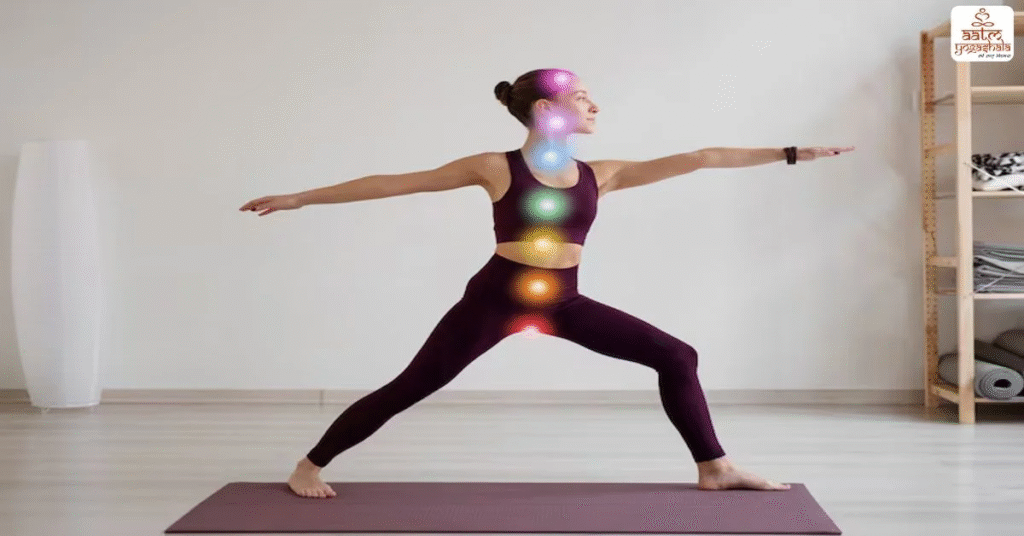
4. Chakra Awareness Meditation
Kundalini energy moves through seven chakras.
Focusing on these energy centers helps activate the energy gradually.
The 7 chakras are:
| Chakra | Location | Meaning |
|---|---|---|
| Root | Base of spine | Stability |
| Sacral | Lower abdomen | Creativity |
| Solar Plexus | Upper abdomen | Confidence |
| Heart | Chest | Love |
| Throat | Throat | Communication |
| Third Eye | Forehead | Intuition |
| Crown | Top of head | Spiritual awareness |
Practice
During meditation, bring your attention slowly from root chakra to crown chakra.
5. Kundalini Breath (Pranayama)
Breathing techniques are powerful tools in Kundalini practice.
One simple method is long deep breathing.
Steps:
- Inhale deeply into your belly.
- Continue inhaling into your chest.
- Exhale slowly and fully.
- Repeat slowly for 5–10 minutes.
Benefits
- Increases oxygen flow
- Activates nervous system balance
- Improves focus
6. Morning Kundalini Meditation Routine
Morning is the best time for meditation because the mind is calm.
Simple routine:
- Wake up early
- Drink water
- Sit quietly for meditation
- Practice breath awareness
- Do mantra chanting
Total time: 15–20 minutes
Starting the day with meditation creates a calm and positive mindset.
7. Silent Awareness Meditation
This is the deepest form of meditation.
Instead of focusing on breath or mantra, simply observe your thoughts.
Steps
- Sit quietly.
- Close your eyes.
- Observe thoughts without reacting.
- Let thoughts come and go naturally.
This technique helps the mind become naturally quiet.
Safety Tips for Kundalini Meditation Beginners
Kundalini meditation can be powerful, so beginners should follow some safety guidelines.
Start Slowly
Practice 10–15 minutes daily instead of long sessions.
Stay relaxed.
Never force breathing or visualization.
Listen to Your Body
If you feel uncomfortable, stop and relax.
Practice Regularly
Consistency matters more than intensity.
Learn From Authentic Sources
Always study Kundalini teachings from reliable instructors or texts.
Common Signs of Kundalini Energy Activation
Some people report certain sensations during meditation.
These may include:
- Tingling along the spine
- Warm energy flow
- Deep emotional release
- Strong inner peace
- Heightened awareness
These experiences vary from person to person.
Remember: progress happens gradually.
Frequently Asked Questions (FAQs)
1. Is Kundalini meditation safe for beginners?
Yes. If practiced slowly and mindfully, Kundalini meditation is generally safe. Beginners should start with simple breathing and awareness techniques.
2. How long does Kundalini activation take?
It varies. Some people notice changes within weeks, while deeper activation may take months or years of practice.
3. Can I practice Kundalini meditation daily?
Yes. Daily practice is recommended for the best results.
4. What time is best for Kundalini meditation?
Early morning (before sunrise) is traditionally considered the best time.
5. Do I need a teacher to practice Kundalini meditation?
Beginners can start alone with simple techniques, but learning from an experienced teacher can help deepen the practice.
6. What happens when Kundalini energy awakens?
People may experience increased awareness, emotional release, spiritual insights, and deep inner peace.
Conclusion
Kundalini Meditation Techniques for Deep Energy Activation offer a powerful way to explore inner awareness and unlock deeper energy within the body.
The key is patience, consistency, and mindfulness.
Start with simple practices like:
- Breath awareness
- Mantra meditation
- Chakra awareness
Over time, these practices can improve mental clarity, emotional balance, and spiritual growth.
Remember, meditation is not about achieving something quickly. It’s about building a peaceful relationship with your mind and inner energy.
About the Author
Kundalini Yogashala is a Yoga Alliance–registered yoga school located in Rishikesh, India the Yoga Capital of the World. The school offers authentic Yoga Teacher Training Courses (TTC), Kundalini Yoga programs, meditation classes, and yoga retreats for students from around the world.
With over 10 years of teaching experience, Kundalini Yogashala shares traditional yogic wisdom in a peaceful Himalayan environment, helping students improve health, inner balance, and spiritual growth through yoga and meditation.