
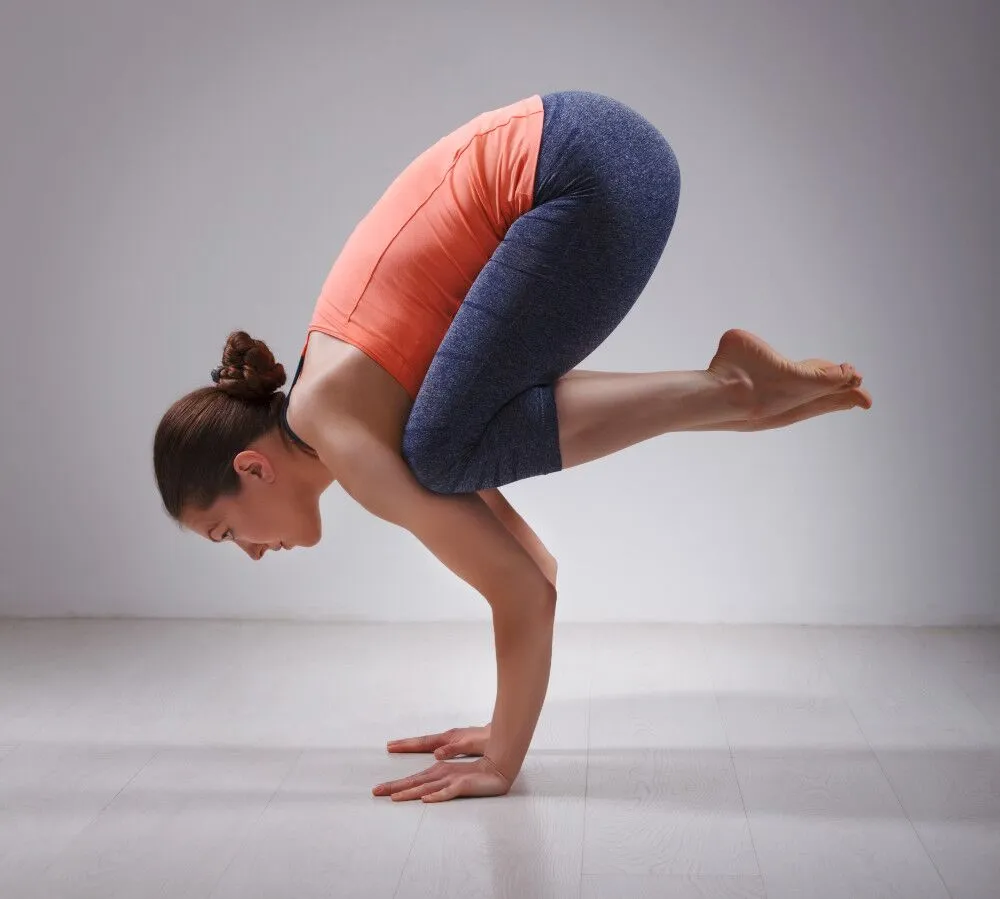
Ashtanga Yoga is one of most popular yoga style in whole world. This yoga coming from India and is very ancient practice. Many peoples doing this yoga for getting fit body and calm mind.
If you new to yoga world, don’t worry! This guide will explain everything in simple language. We tell you what is Ashtanga Yoga, how to start, and what benefits you getting. So let’s begin this yoga journey together!
What Is Ashtanga Yoga? Understanding the Basic Principles
Ashtanga Yoga is dynamic and powerful yoga style. The word “Ashtanga” meaning “eight limbs” in Sanskrit language. This yoga not just about doing poses – it is complete life philosophy.
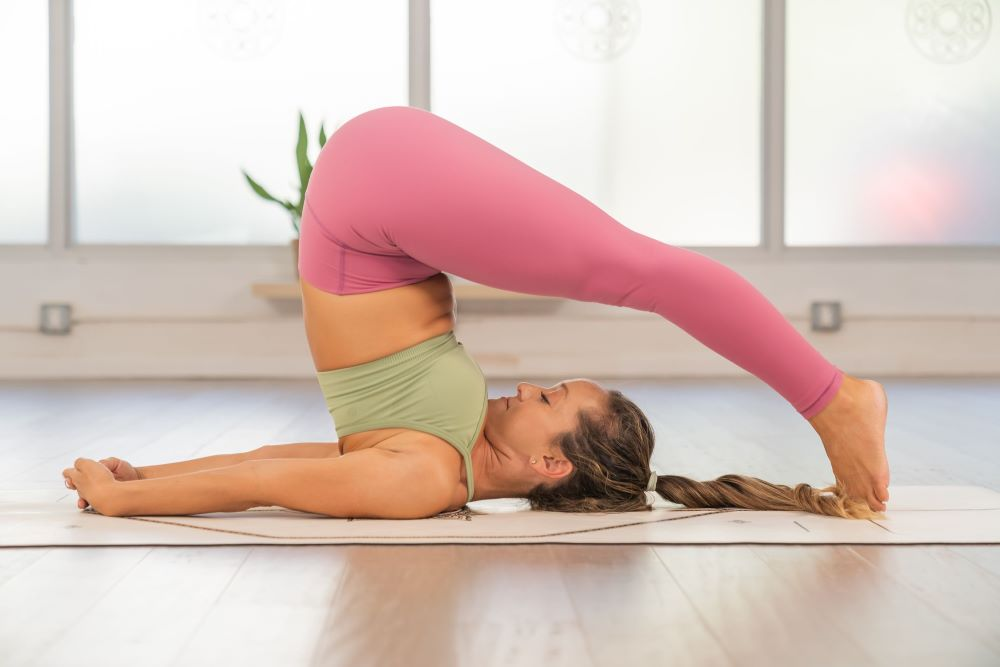
In Ashtanga practice, you doing same sequence of poses every single time. This is big difference from other yoga styles. You following fixed order of postures, and you connecting each movement with your breath. This creating beautiful flow of energy in body.
The practice is quite challenging but very rewarding. When you doing Ashtanga regularly, you notice big changes in your strength, flexibility, and mental clarity. Many beginners feel intimidated at first, but actually anyone can start this practice with proper guidance.
Main Characteristics:
- Fixed sequence of poses every time
- Synchronized breathing with movements
- Focus on building internal heat
- Traditional Mysore style teaching
- Progressive difficulty levels
- Self-practice encouraged
What Is Ashtanga Yoga History and Origin?
Sri K. Pattabhi Jois is father of modern Ashtanga Yoga. He started teaching this method in 1948 in city of Mysore, Karnataka, India. He learned yoga from his guru Sri Tirumalai Krishnamacharya, who was very famous yoga master.
Pattabhi Jois teaching Ashtanga until he passed away in 2009 at age of 93. His grandson Sharath Jois now continuing this tradition. The main institute called Krishna Pattabhi Jois Ashtanga Yoga Institute (KPJAYI) in Mysore.
Today, Ashtanga Yoga practiced all over world. Many students going to Mysore every year to learn traditional method. Western countries especially loving this yoga style because it giving clear structure and measurable progress.
What Is Ashtanga Yoga 8 Limbs? Complete Explanation
The eight limbs are like steps on ladder to spiritual enlightenment. Each limb is important part of complete yoga practice.
1. Yama – What Is Ashtanga Yoga Social Ethics?
This is about how you behaving with other people and world around you:
- Ahimsa – Non-violence, being kind to all
- Satya – Speaking truth always
- Asteya – Not stealing anything
- Brahmacharya – Control of senses
- Aparigraha – Not being greedy
2. Niyama – Personal Disciplines in Ashtanga Yoga
These are personal habits for clean living:
- Saucha – Cleanliness of body and mind
- Santosha – Feeling content and happy
- Tapas – Self-discipline and dedication
- Svadhyaya – Self-study and learning
- Ishvara Pranidhana – Surrender to higher power
3. Asana – Physical Postures
These are yoga poses we practicing on mat. Ashtanga having many challenging poses that building strength and flexibility.
4. Pranayama – Breath Control
Learning to control breath properly. In Ashtanga, we using Ujjayi breathing technique throughout practice.
5. Pratyahara – Withdrawal of Senses
This meaning turning attention inward, not getting distracted by outside things.
6. Dharana – Concentration
Focusing mind on one single point or object. This preparing for meditation.
7. Dhyana – Meditation
Deep state of meditation where mind becoming very calm and clear.
8. Samadhi – Ultimate Bliss
Final stage where you experiencing complete peace and connection with universe.
Three Series of Ashtanga Yoga Practice
Ashtanga Yoga divided into three main series. Each series having different difficulty level.
Primary Series (Yoga Chikitsa)
Primary Series called “Yoga Chikitsa” which meaning “yoga therapy”. This series is for beginners and it detoxifying and aligning body. The series having about 75 different poses.
You starting with Sun Salutations (Surya Namaskara A and B), then moving through standing poses, seated poses, and finishing poses. This taking usually 90 minutes to complete when you knowing full sequence.
Key Poses in Primary Series:
- Standing forward bends
- Triangle poses
- Warrior poses
- Seated forward folds
- Hip openers
- Backbends
- Shoulder stands
Intermediate Series (Nadi Shodhana)
Intermediate Series meaning “nerve cleansing”. This series much more challenging than Primary. It including deeper backbends, arm balances, and leg-behind-head poses. You only starting Intermediate after mastering Primary Series completely.
Advanced Series A, B, C, D
These series for very advanced practitioners only. The poses extremely difficult and requiring many years of practice. Very few people reaching these levels.
Amazing Benefits of Ashtanga Yoga
Ashtanga Yoga giving so many wonderful benefits for your body, mind, and overall health. Let’s look at main benefits:
Physical Health Benefits
When you practicing Ashtanga regularly, your body transforming completely. The dynamic movements and challenging poses working every single muscle in body.
Body Transformation:
- Building lean, strong muscles
- Increasing flexibility in joints
- Improving body balance and coordination
- Burning calories for weight loss
- Toning arms, legs, and core
- Developing better posture
- Increasing stamina and endurance
Your cardiovascular health also improving because practice is quite vigorous. Blood circulation becoming better throughout body. Bones becoming stronger because of weight-bearing poses.
Mental and Emotional Benefits
Ashtanga not just physical exercise – it completely changing your mental state also.
Mind Benefits:
- Reducing stress and anxiety feelings
- Calming busy mind
- Improving focus and concentration
- Building mental discipline
- Developing patience and perseverance
- Increasing self-confidence
- Creating sense of inner peace
The regular practice teaching you to stay present in moment. You learning to deal with challenges on mat, which helping in daily life also.
Health and Wellness Benefits
Many peoples noticing big improvements in their overall health:
- Better quality sleep at night
- Improved digestion system
- Stronger immune system
- Reduced chronic pain
- Lower blood pressure
- Balanced hormones
- Detoxification of body through sweating
How Beginners Can Start Ashtanga Yoga Journey
Starting new yoga practice can feeling scary, but don’t worry! Here is step-by-step guide for complete beginners.
Step 1: Finding Right Teacher
First important thing is finding good, certified Ashtanga teacher. Don’t try learning from only YouTube videos in beginning. A qualified teacher will:
- Show you correct alignment in poses
- Help you avoid injuries
- Adjust your postures properly
- Guide your breathing
- Motivate you when difficult
Look for Ashtanga Yoga studios in your city. Many studios offering beginner classes specifically. You also can search for authorized teachers from KPJAYI Mysore.
Step 2: Start Very Slowly
Big mistake beginners making is trying to do too much too fast. Remember, Ashtanga is marathon, not sprint race.
In beginning, just practice 2-3 times per week. Your body needing rest days for recovery. As you getting stronger and more flexible, you can increasing to 4-5-6 times weekly.
Don’t trying to do full Primary Series in first week! Start with learning Sun Salutations properly. This might taking several weeks, and that completely okay.
Step 3: Master the Sun Salutations
Sun Salutations (Surya Namaskara) are foundation of whole Ashtanga practice. There are two types – A and B.
Surya Namaskara A having 9 movements, and you doing 5 rounds at beginning of practice. Surya Namaskara B having 17 movements, and you doing 5 rounds after A.
These sequences warming up your body, building heat, and preparing you for harder poses coming later. Spend good time learning these properly with correct breathing.
Step 4: Learn Proper Breathing Technique
In Ashtanga, we using special breathing called Ujjayi Pranayama or “victorious breath”. This is breathing only through nose with slight constriction in back of throat. It creating ocean-like sound.
How to Do Ujjayi Breathing:
- Close your mouth completely
- Breathe in and out through nose only
- Slightly constrict back of throat
- Make soft hissing or ocean sound
- Keep breathing steady and even
- One breath for one movement
This breathing keeping you focused, building internal heat, and helping with concentration.
Step 5: Create Regular Practice Routine
Consistency is most important thing in Ashtanga. Try to practice same time every day. This building strong habit.
Best Practice Schedule:
- Morning time (6-8 AM) – Most traditional and beneficial
- Empty stomach – Don’t eat 2-3 hours before
- Same place – Create dedicated space at home
- Same time daily – Body loving routine
Traditional Ashtanga practitioners taking rest on Saturdays and moon days (full moon and new moon days).
Essential Things You Must Know
What Equipment You Needing
Good news – Ashtanga not requiring much equipment! Here’s what you needing:
- Good quality yoga mat – Should have good grip and cushioning
- Comfortable clothes – Fitted but not too tight, breathable fabric
- Small towel – For wiping sweat during practice
- Water bottle – For after practice (not during)
- Yoga strap (optional) – Helping with flexibility
- Yoga blocks (optional) – For modifications
Important Safety Guidelines
Always Remember:
- Never practicing on full stomach
- Stop if feeling sharp pain
- Modify poses if needed
- Don’t comparing yourself with others
- Take child’s pose rest when tired
- Listen to your body signals
- Stay hydrated after practice
- Get enough sleep for recovery
Common Beginner Mistakes to Avoid
Many new students making same mistakes. Here’s what to avoid:
Don’t Do These Things:
- Skipping warm-up Sun Salutations
- Holding breath during difficult poses
- Forcing body into poses not ready for
- Practicing immediately after eating food
- Ignoring pain signals from body
- Getting frustrated with slow progress
- Comparing flexibility with advanced students
- Forgetting to breathe properly
Ashtanga Yoga Compared to Other Styles
Many peoples asking – what is difference between Ashtanga and other yoga types?
Ashtanga vs Hatha Yoga
Hatha Yoga is slower, gentler practice. You holding poses for longer time. Ashtanga is more dynamic and flowing. Both are good, just different approach.
Ashtanga vs Vinyasa Yoga
Vinyasa meaning “flow” yoga. The main difference is Ashtanga always having same sequence, but Vinyasa sequences always changing. Vinyasa teachers creating different flows each class.
Ashtanga vs Iyengar Yoga
Iyengar focusing very much on precise alignment. Using many props like blocks, straps, bolsters. Ashtanga using fewer props and more flowing movements.
Who Should Practice Ashtanga Yoga?
Actually, almost anyone can benefiting from Ashtanga practice! It is good for:
Perfect For:
- Complete beginners wanting structure
- Athletes wanting cross-training
- People wanting to lose weight
- Those seeking mental discipline
- Anyone wanting overall fitness
- People dealing with stress
- Individuals wanting flexible body
Who Should Be Careful
Some peoples should consulting doctor before starting:
- Pregnant women (need special prenatal yoga)
- Recent surgery patients (wait for healing)
- Serious heart conditions
- Severe joint problems (need modifications)
- High blood pressure (avoid inversions initially)
Always better to talking with doctor first if you having any health concerns.
Practical Tips for Successful Practice
Making Practice Easier:
- Start practicing at home between classes
- Watch authorized teachers on YouTube for reference
- Join online Ashtanga communities for support
- Keep practice journal to track progress
- Be patient with yourself
- Celebrate small improvements
- Find practice buddy for motivation
- Attend workshops when possible
Nutrition Tips:
- Eat light, healthy meals
- Stay well hydrated throughout day
- Avoid heavy foods before practice
- Consider vegetarian diet (traditional approach)
- Eat protein for muscle recovery
Conclusion – Begin Your Ashtanga Journey Today
Ashtanga Yoga is truly transformative practice that changing your life completely. Yes, it is challenging at first, but rewards are absolutely worth it. You not only getting strong, flexible body – you also developing calm mind and peaceful spirit.
Remember, every expert practitioner was once beginner just like you. They also struggling with first Chaturanga, they also feeling stiff in forward folds. The difference is they kept practicing, they not giving up.
Start your Ashtanga journey today. Find good teacher, get nice yoga mat, and step onto mat with open mind and willing heart. Practice regularly, be patient with yourself, and trust the process.
In few months, you looking back and amazed at how far you coming. Your body will feeling stronger, your mind will feeling clearer, and your life will having more balance and peace.