
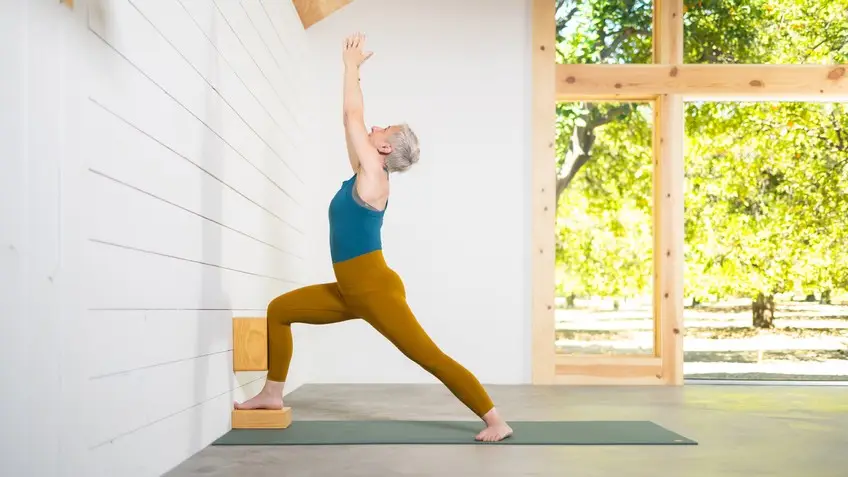
Iyengar Yoga is a structured and alignment-focused style of yoga that emphasizes precision, stability, and mindful movement, making it ideal for beginners.
Unlike fast-paced yoga styles, Iyengar Yoga moves slowly and deliberately. This makes it perfect for beginners who want to build a strong foundation without feeling rushed or overwhelmed.
The Origin of Iyengar Yoga: Who Created It?
Iyengar Yoga was developed by B.K.S. Iyengar, one of the most influential yoga teachers of the 20th century. Born in India in 1918, he dedicated over 75 years to studying and teaching yoga.
B.K.S. Iyengar transformed how the world practices yoga. He created a systematic method that anyone could learn, regardless of age, fitness level, or flexibility.
His famous book, “Light on Yoga,” published in 1966, became the bible of modern yoga practice. It’s still used by teachers and students worldwide today.
What Makes Iyengar Yoga Different from Other Styles?
Precision and Alignment Focus
Iyengar Yoga is all about getting each pose exactly right. Your teacher will guide you on where your feet should be, how to position your hips, and how to engage specific muscles.
This attention to detail might seem strict at first, but it protects your body and maximizes the benefits of each pose.
Longer Hold Times
Unlike Vinyasa or Power Yoga, you won’t be flowing quickly from pose to pose. In Iyengar Yoga, you hold each posture for longer periods—sometimes several minutes.
This gives your body time to adjust, your muscles time to work, and your mind time to focus.
Extensive Use of Props
Props aren’t just for beginners in Iyengar Yoga—they’re essential tools for everyone. Blocks, straps, blankets, bolsters, and even chairs help you experience poses more deeply and safely.
Think of props as your personal assistants that help you achieve correct alignment.
Structured Progression
Iyengar Yoga follows a carefully designed sequence. You’ll learn foundational poses first, then gradually progress to more challenging variations as your strength and understanding develop.
Why Iyengar Yoga Is Perfect for Beginners
You Don’t Need to Be Flexible
Many beginners worry they’re not flexible enough for yoga. Iyengar Yoga welcomes you exactly as you are.
The props and modifications mean you can practice every pose safely, whether you can touch your toes or not.
Clear, Detailed Instruction
Iyengar Yoga teachers undergo extensive training—often 3-5 years before certification. They know how to break down each pose into simple, understandable steps.
You’ll always know what you’re supposed to be doing and why.
Understanding Alignment and Posture Awareness
What Is Alignment in Yoga?
Alignment means positioning your body correctly in each pose so your bones, joints, and muscles work together efficiently.
Good alignment prevents injury and ensures you’re getting the full benefits of the practice.
How Iyengar Yoga Teaches Body Awareness
Through precise instructions and longer holds, you learn to feel what’s happening in your body. You’ll discover muscles you didn’t know you had.
This body awareness extends beyond your yoga mat. Many students notice improved posture in daily life.
The Power of Micro-Adjustments
Your teacher might adjust your foot position by just an inch. These tiny changes can transform how a pose feels and works.
You’ll learn that small details create big differences.
Yoga Props: Your Best Friends in Iyengar Practice
What Are Yoga Props and Why Use Them? Them?
Yoga props are tools that help you practice safely and effectively. In Iyengar Yoga, props aren’t “cheating”—they’re intelligent practice.
They help you experience poses you couldn’t do otherwise, and they make challenging poses accessible.
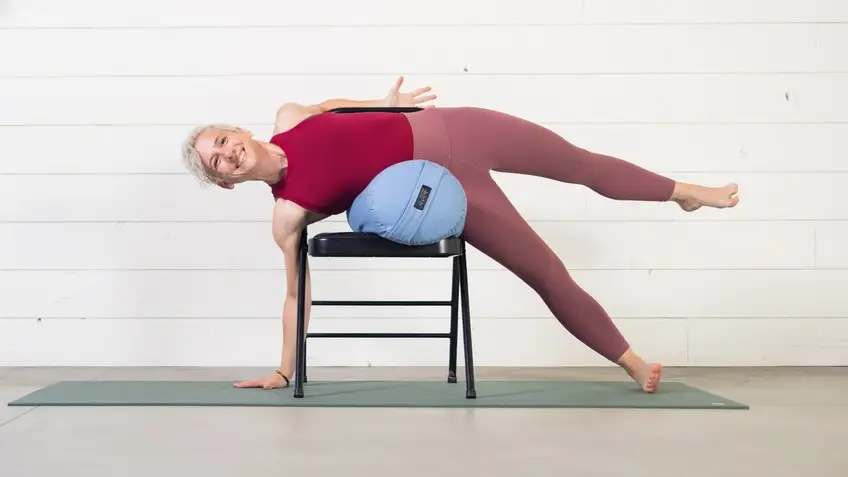
Common Props in Iyengar Yoga
Yoga Blocks: These sturdy foam or cork blocks bring the floor closer to you. They’re perfect for standing poses and seated stretches.
Straps: Long belts help you reach your feet, bind your arms, or maintain proper shoulder position when your flexibility is limited.
Bolsters: These firm cushions support your body in restorative poses, allowing deep relaxation without strain.
Blankets: Folded blankets add height, cushioning, or support exactly where you need it.
Chairs: Yes, chairs! They’re used for modified standing poses, supported backbends, and inversions.
Wall Ropes: Some studios have ropes attached to walls for traction poses and assisted stretches.
Benefits of Iyengar Yoga for Beginners
Physical Benefits
Improved Flexibility: Regular practice gradually increases your range of motion. The slow, supported approach prevents overstretching.
Stronger Muscles: Holding poses builds strength throughout your entire body, especially your core.
Better Posture: You’ll stand taller and sit straighter as your body awareness improves.
Pain Relief: Many students experience reduced back pain, joint discomfort, and tension headaches.
Enhanced Balance: The focus on alignment naturally improves your stability and coordination.
Mental Benefits
Reduced Stress: The concentration required in Iyengar Yoga quiets your busy mind.
Increased Focus: Learning precise movements trains your attention span.
Greater Confidence: Mastering poses step-by-step builds genuine self-assurance.
Emotional Balance: Regular practice helps regulate mood and reduce anxiety.
What to Expect in Your First Iyengar Yoga Class
Before Class Starts
Arrive 10-15 minutes early for your first class. The teacher will ask about any injuries or health concerns.
Most studios provide props, but check ahead. Wear comfortable, fitted clothing that lets you move and allows the teacher to see your alignment.
During the Class
Introduction: The teacher will introduce the focus for today’s practice—perhaps standing poses or hip openers.
Warm-Up: You’ll start gently, often with standing poses that prepare your body.
Main Sequence: The teacher will guide you through 5-10 poses, spending several minutes on each. They’ll offer modifications and use demonstrations.
Individual Attention: Teachers circulate, offering hands-on adjustments (with permission) or verbal cues specific to you.
Cool-Down: Classes typically end with restorative poses and a final relaxation.
Duration: Most classes run 60-90 minutes.
What Makes It Different from Expectations
You might be surprised by how much you sweat while seemingly “just standing there.” Holding poses is work!
Don’t expect spiritual chanting or intense breathing exercises in most Iyengar classes. The focus is primarily physical, though the mental benefits naturally follow.
The pace might feel slow at first, but you’ll discover that slow doesn’t mean easy.
How to Find a Good Iyengar Yoga Teacher
Certification Matters
Look for teachers certified through the Iyengar Yoga National Association in your country. Certification ensures they’ve met rigorous training standards.
Certified teachers use the trademarked term “Iyengar Yoga” and typically display their credentials.
Visit Multiple Studios
Try classes with different teachers. Teaching styles vary, and you’ll find someone whose approach resonates with you.
Most studios offer discounted first-class rates.
What to Look For
A good teacher gives clear instructions, watches students carefully, and offers individual modifications. They should answer questions patiently and create a supportive environment.
You should feel challenged but never unsafe.
Starting Your Iyengar Yoga Journey Today
Iyengar Yoga offers beginners a safe, systematic way to explore yoga without intimidation. Its focus on alignment and intelligent prop use means you can practice confidently from day one.
You don’t need special flexibility, perfect health, or years of experience. You just need curiosity and willingness to learn.
Your journey starts with a single pose, and every expert practitioner once stood exactly where you stand now. Welcome to Iyengar Yoga.
About Author
Kundalini Yogashala is a leading and traditional yoga school based in Rishikesh, India the Yoga Capital of the World. With over 10+ years of teaching experience, the school offers Yoga Alliance–certified Yoga Teacher Training Courses and Yoga Retreats in Rishikesh, Goa, and Bali.
Rooted in authentic Himalayan yogic traditions, Kundalini Yogashala focuses on sharing yoga as a holistic way of life, blending physical practice, breathwork, meditation, and yogic philosophy. The school is dedicated to guiding students toward self-growth, inner awareness, and long-term well-being.