

Kundalini Yoga is a powerful spiritual practice that works with energy inside the human body. One of the most important concepts in Kundalini Yoga is the 7 Chakras. Chakras are energy centers that run from the base of the spine to the top of the head. The word “chakra” comes from Sanskrit and means “wheel” or “circle.” These energy wheels control physical health, emotions, thoughts, and spiritual growth. When chakras are balanced, life feels stable and peaceful. When blocked, people may feel stress, fear, or confusion. In Kundalini Yoga, awakening Kundalini energy means activating these seven chakras step-by-step for higher awareness. This beginner guide explains each chakra in simple English so new learners can understand easily.
Overview of the 7 Chakras
Here is a simple list of all seven chakras:
- Root Chakra (Muladhara)
- Sacral Chakra (Svadhisthana)
- Solar Plexus Chakra (Manipura)
- Heart Chakra (Anahata)
- Throat Chakra (Vishuddha)
- Third Eye Chakra (Ajna)
- Crown Chakra (Sahasrara)
Each chakra has:
- A specific body location
- A color
- An element
- A life function
Now let’s understand them one by one.
1. Root Chakra (Muladhara)
The Root Chakra is the first chakra. It is located at the base of the spine. This chakra is connected to safety, survival, money, home, and basic needs. It is the foundation of the chakra system.
Color: Red
Element: Earth
When balanced:
- You feel safe and secure
- You feel confident
- You trust life
When blocked:

- Fear increases
- Anxiety happens
- Financial stress feels heavy
In Kundalini Yoga, grounding exercises, sitting meditation, and deep breathing help balance this chakra.
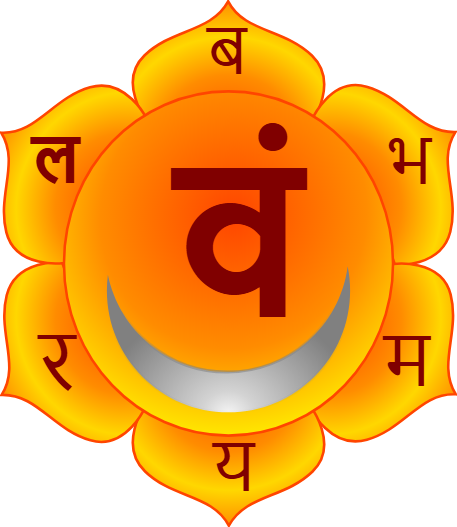
2. Sacral Chakra (Svadhisthana)
The Sacral Chakra is the second chakra. It is located below the navel in the lower abdomen. This chakra controls emotions, creativity, pleasure, and relationships.
Color: Orange
Element: Water
When balanced:
- You feel creative
- You enjoy life
- Emotions are stable
When blocked:
- Guilt appears
- Emotional mood swings happen
- Lack of motivation
Hip-opening yoga poses and creative activities help activate this chakra.
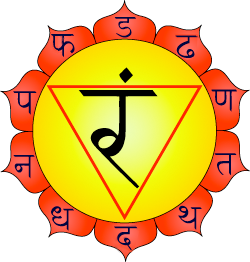
3. Solar Plexus Chakra (Manipura)
The Solar Plexus Chakra is located in the upper stomach area. It controls confidence, personal power, discipline, and decision-making.
Color: Yellow
Element: Fire
When balanced:
- Strong confidence
- Clear goals
- High motivation
When blocked:
- Low self-esteem
- Anger problems
- Fear of taking action
Kundalini Yoga uses breath of fire and core exercises to strengthen this chakra.
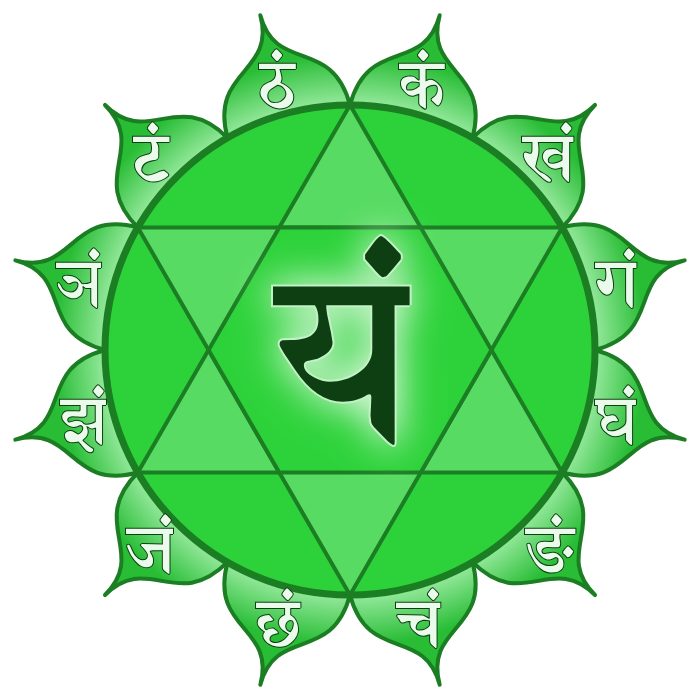
4. Heart Chakra (Anahata)
The heart chakra is in the center of the chest. It connects lower physical chakras with higher spiritual chakras. This chakra controls love, compassion, kindness, and forgiveness.
Color: Green
Element: Air
When balanced:
- You feel love
- You forgive easily
- You feel peaceful
When blocked:
- Jealousy
- Emotional pain
- Difficulty trusting others
Meditation and gratitude practice help open the heart chakra.
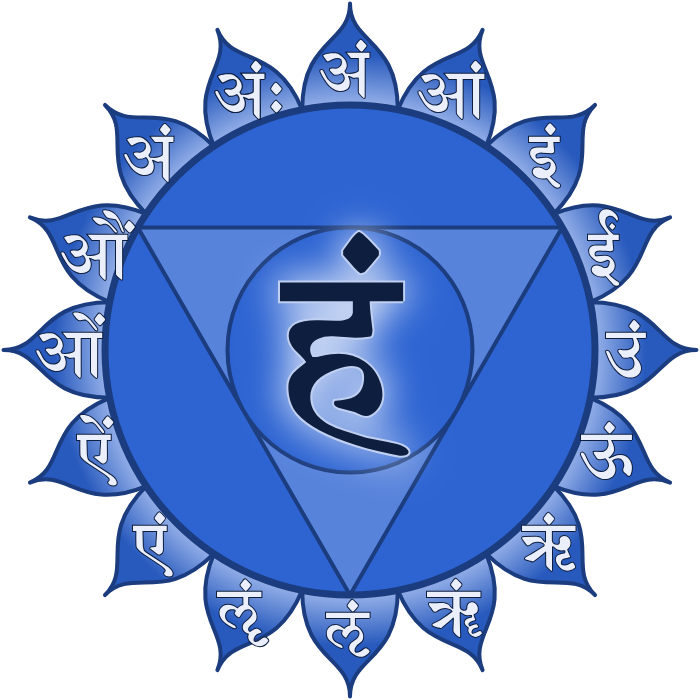
5. Throat Chakra (Vishuddha)
The Throat Chakra is located in the throat area. It controls communication and truth.
Color: Blue
Element: Space
When balanced:
- Clear communication
- Honest expression
- Good listening
When blocked:
- Fear of speaking
- Dishonesty
- Communication issues
Kundalini Yoga chanting and mantra meditation are very powerful for this chakra.
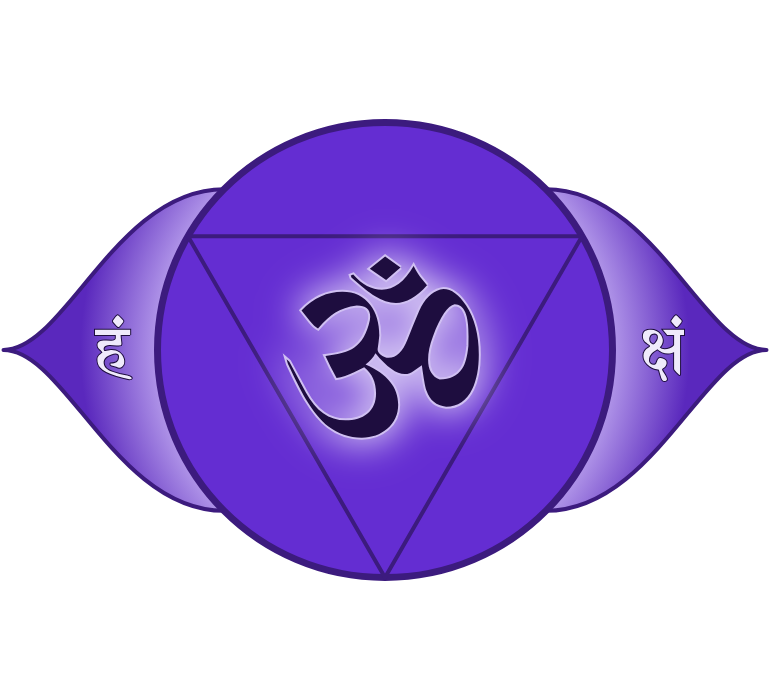
6. Third Eye Chakra (Ajna)
The Third Eye Chakra is located between the eyebrows. It controls intuition, imagination, and inner wisdom.
Color: Indigo
Element: Light
When balanced:
- Strong intuition
- Clear thinking
- Mental focus
When blocked:
- Confusion
- Overthinking
- Lack of clarity
Meditation and mindfulness practices help activate this chakra.
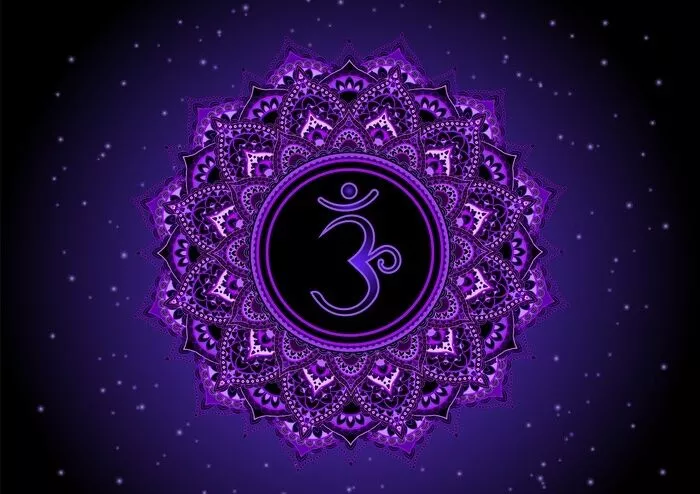
7. Crown Chakra (Sahasrara)
The crown chakra is located at the top of the head. It is the highest chakra. It represents spiritual connection and enlightenment.
Color: Violet or White
Element: Universal energy
When balanced:
- Deep peace
- Spiritual awareness
- Feeling connected to the universe
When blocked:
- Feeling lost
- Lack of purpose
- Spiritual confusion
Silent meditation is best for balancing this chakra.
How Kundalini Energy Moves Through Chakras
In Kundalini Yoga, it is believed that Kundalini energy lies dormant at the Root Chakra. Through yoga postures (asanas), breath control (pranayama), mudras, and meditation, this energy rises upward through all seven chakras. Each chakra awakening brings emotional healing, mental clarity, and spiritual growth. The final goal is reaching the Crown Chakra, where self-realization and enlightenment occur. Beginners should practice slowly under guidance because Kundalini awakening is powerful.
Signs Your Chakras Are Balanced
Balanced chakras create harmony in life. Some common signs include emotional stability, physical health, mental clarity, strong intuition, confidence, and peaceful sleep. People feel connected with themselves and others. Kundalini Yoga practitioners often report increased energy, creativity, and spiritual awareness when their chakras align.
Signs of Blocked Chakras
Blocked chakras create physical and emotional imbalance. For example, a blocked Root Chakra may cause fear and financial stress, while a blocked Heart Chakra may create relationship pain. Physical symptoms like fatigue, headaches, digestive issues, or throat problems may also appear. Kundalini Yoga helps remove these energy blockages through kriyas and meditation.
Beginner Tips to Balance All 7 Chakras
Beginners should start with simple daily practices. Meditation for 10–15 minutes, deep breathing, mantra chanting like “Sat Nam,” and gentle yoga postures are effective. Eating natural foods, spending time in nature, and maintaining positive thoughts also support chakra balance. Consistency is more important than intensity in Kundalini Yoga practice.
Benefits of Understanding the 7 Chakras
Learning about the seven chakras helps beginners understand their emotions, thoughts, and spiritual path. Chakra awareness improves mental health, relationships, focus, and inner peace. Kundalini Yoga uses this chakra system as a roadmap for self-awakening and transformation. With regular practice, people experience holistic healing—physical, emotional, and spiritual.
Conclusion
The 7 chakras in Kundalini yoga form the foundation of human energy and consciousness. From the grounding Root Chakra to the divine Crown Chakra, each energy center plays a vital role in overall well-being. For beginners, understanding these chakras is the first step toward Kundalini awakening. Through yoga, breathwork, meditation, and mindful living, chakra energy can be balanced and activated. This journey leads to inner peace, higher awareness, and spiritual growth.
About the Author
The Kundalini Yogashala Editorial Team is a collective of certified yoga teachers, meditation guides, and wellness writers based in Rishikesh, India—the Yoga Capital of the World. Backed by years of hands-on teaching experience in Kundalini Yoga, Chakra Healing, Pranayama, and Yoga Teacher Training, the team creates beginner-friendly yet authentic educational content rooted in traditional yogic science.
All articles are reviewed under the guidance of senior teachers from Kundalini Yogashala to ensure accuracy, spiritual authenticity, and practical value for global yoga learners.
To deepen your journey, explore our certified programs like 200-hour yoga teacher training in Rishikesh, immersive Kundalini Yoga TTC courses, and short-term yoga retreats in Rishikesh designed for physical, mental, and spiritual transformation.