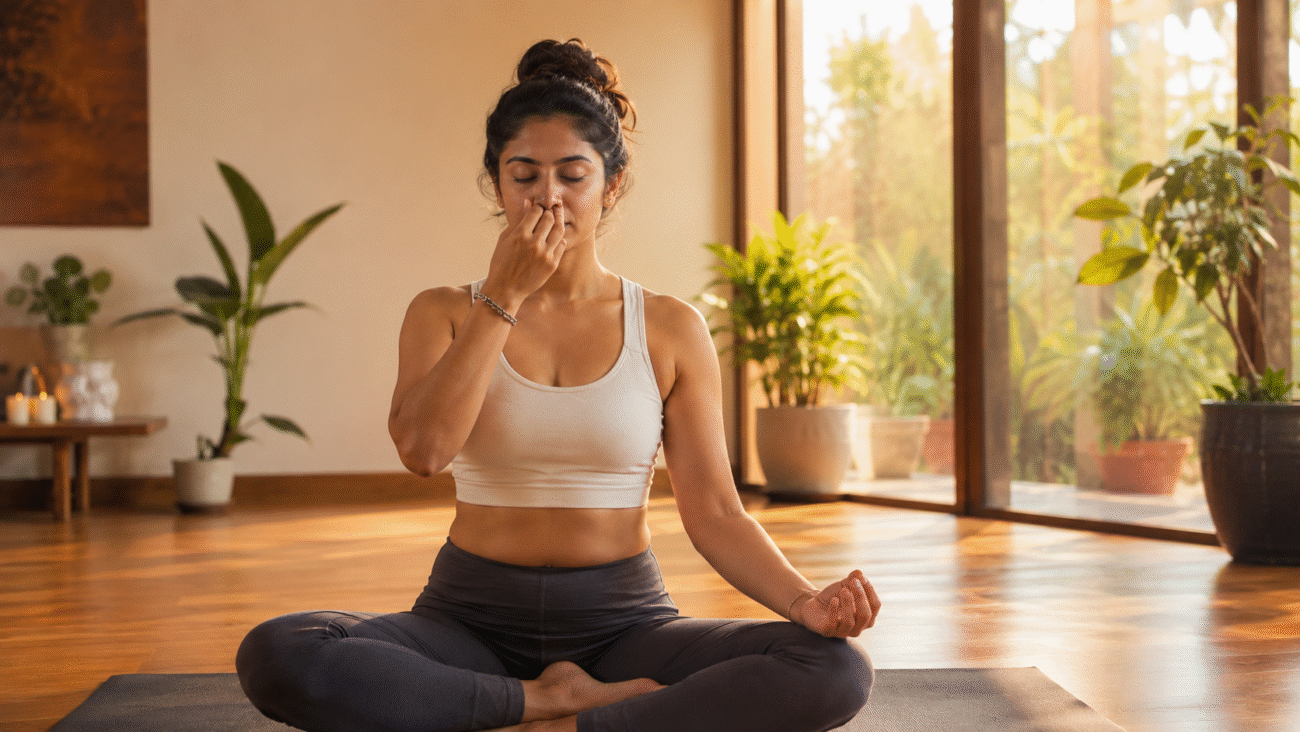
Stress and anxiety have become part of daily life for many people. Busy schedules, too much screen time, lack of sleep, and constant pressure can make the mind feel heavy and tired. The good news is that simple breathing exercises can help calm your body and mind naturally.
Pranayama is an ancient breathing practice from yoga that focuses on controlling the breath. These breathing techniques are easy to learn and can help reduce stress, improve focus, and bring inner peace.
In this guide, you will learn 7 powerful pranayama techniques for stress and anxiety relief, how they work, their benefits, safety tips, and how beginners can start practicing them at home.
What is pranayama?
Pranayama is a breathing practice used in yoga. The word comes from two Sanskrit words:
- “Prana” means life energy
- “Yama” means control
So, pranayama simply means controlling the breath to improve physical and mental well-being.
When you feel stressed, your breathing becomes fast and shallow. Pranayama helps slow down the breath, which relaxes the nervous system and calms the mind.
Many beginners use pranayama for anxiety relief, better sleep, and emotional balance.
How Pranayama Works
Your breath is closely connected to your emotions.
When you are nervous or anxious:
- Breathing becomes quick
- Heart rate increases
- Muscles tighten
When you practice deep breathing exercises:
- The body relaxes
- Oxygen flow improves
- The mind becomes calmer
Pranayama activates the body’s relaxation response. This helps lower stress levels naturally.
Even practicing for 5 to 10 minutes daily can make a big difference.
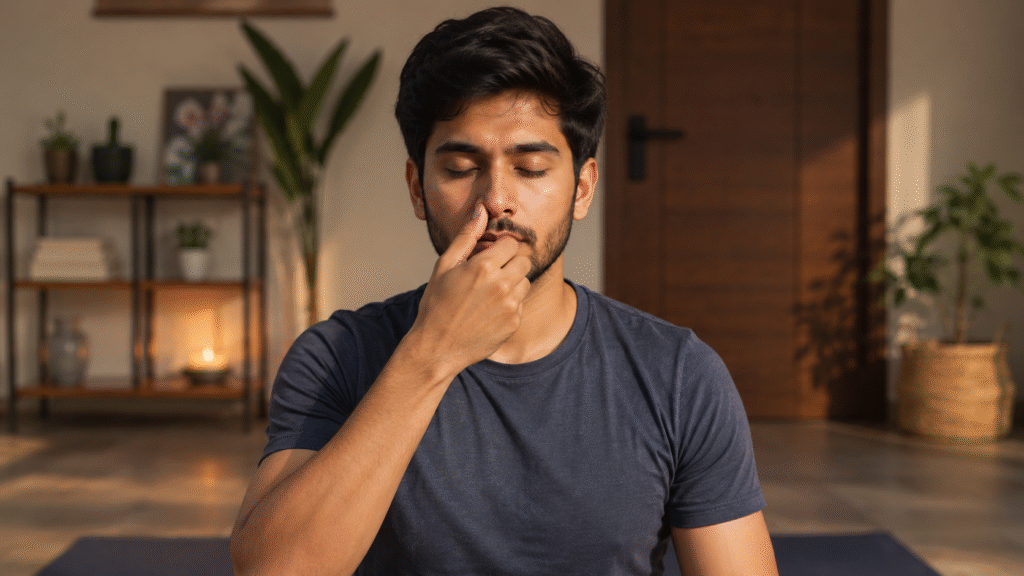
1. Nadi Shodhana (Alternate Nostril Breathing)
Nadi Shodhana is one of the best breathing exercises for stress and anxiety relief. It helps balance the mind and relax the nervous system.
How to Do It
- Sit comfortably
- Close your right nostril with your thumb
- Inhale through the left nostril
- Close the left nostril
- Exhale through the right nostril
- Repeat on the other side
Practice for 5 minutes.
Benefits
- Reduces anxiety
- Improves focus
- Calms racing thoughts
- Balances emotions
Beginner Tip
Start slowly. Do not force the breath.
2. Bhramari (Bee Breathing)
Bhramari pranayama uses a gentle humming sound that relaxes the brain.
This technique is very helpful before sleep or during stressful moments.
How to Practice
- Sit quietly
- Close your eyes
- Inhale deeply
- Exhale while making a soft humming sound like a bee
Repeat 5 to 7 times.
Benefits
- Relieves mental tension
- Helps with anger and frustration
- Improves sleep quality
- Calms the mind quickly
3. Deep Belly Breathing
Deep belly breathing is one of the easiest pranayama techniques for beginners.
Many people breathe from the chest when stressed. Belly breathing helps the body relax naturally.
Steps
- Place one hand on your stomach
- Inhale slowly through the nose
- Let the belly rise
- Exhale gently
Practice for 5 to 10 minutes.
Benefits
- Slows heart rate
- Reduces panic feelings
- Helps during anxiety attacks
- Improves oxygen flow
4. Ujjayi Breathing
Ujjayi breathing is often called “ocean breath” because of the soft sound created in the throat.
It helps improve concentration and emotional control.
How to Do It
- Inhale slowly through the nose
- Slightly tighten the throat
- Exhale slowly while creating a soft ocean-like sound
Keep your breath smooth and gentle.
Benefits
- Reduces stress
- Improves mindfulness
- Helps calm the nervous system
- Increases focus
5. Sheetali Pranayama
Sheetali pranayama is a cooling breathing exercise. It helps calm emotional stress and anger.
Steps
- Sit comfortably
- Roll your tongue into a tube
- Inhale through the rolled tongue
- Exhale through the nose
If you cannot roll your tongue, simply inhale through slightly opened lips.
Benefits
- Cools the body
- Reduces mental tension
- Helps with emotional stress
- Refreshes the mind
6. Box Breathing
Box breathing is commonly used for relaxation and focus. Even athletes and professionals use this technique during stressful situations.
How It Works
Follow this pattern:
- Inhale for 4 seconds
- Hold for 4 seconds
- Exhale for 4 seconds
- Hold for 4 seconds
Repeat for several rounds.
Benefits
- Helps control anxiety
- Improves mental clarity
- Reduces overthinking
- Easy for beginners
7. Kapalabhati (Skull Shining Breath)
Kapalabhati is an energizing breathing exercise. It involves short, powerful exhalations.
This technique should be practiced carefully by beginners.
Steps
- Sit straight
- Inhale normally
- Exhale forcefully through the nose
- Let inhalation happen naturally
Start slowly with 20 breaths.
Benefits
- Boosts energy
- Clears the mind
- Improves focus
- Supports healthy breathing
Important Note
Avoid this practice if you have:
- High blood pressure
- Heart problems
- Pregnancy
- Severe anxiety symptoms
Timeline for Results
Many people feel calmer after just one session.
For long-term results:
- Practice daily for 10–15 minutes
- Stay consistent
- Combine breathing with healthy habits
Most beginners notice:
- Better sleep within a week
- Reduced stress in 2–3 weeks
- Improved focus after regular practice
Benefits of Pranayama for Stress and Anxiety Relief
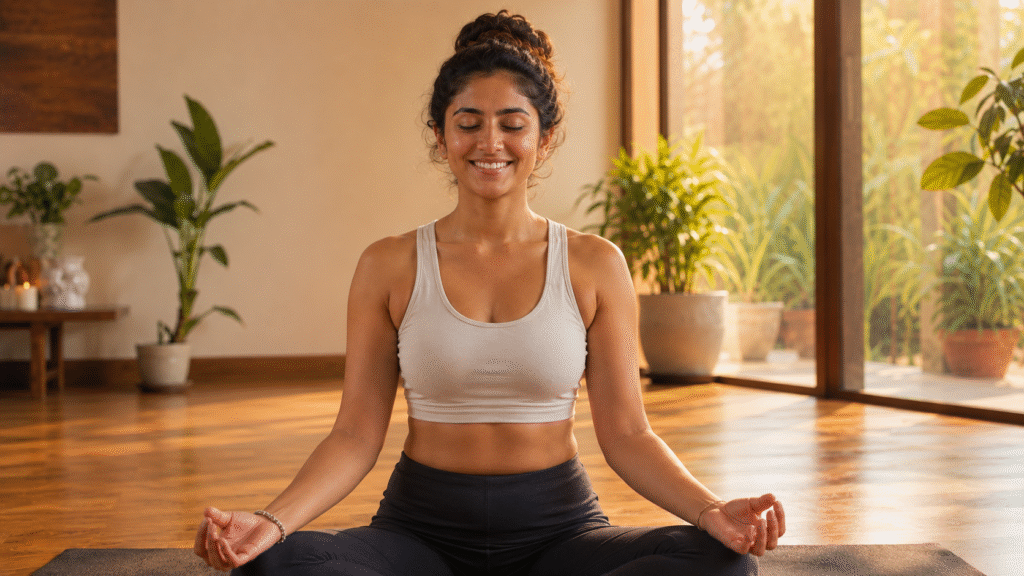
Regular pranayama practice offers many mental and physical benefits.
Mental Benefits
- Reduces stress naturally
- Helps control anxiety
- Improves mood
- Increases mindfulness
- Supports emotional balance
Physical Benefits
- Improves lung function
- Enhances oxygen flow
- Lowers muscle tension
- Helps improve sleep
Many people also use pranayama for relaxation after work or before meditation.
Risks or Side Effects
Pranayama is generally safe, but doing it incorrectly may cause discomfort.
Possible side effects include:
- Dizziness
- Headache
- Breathlessness
- Lightheadedness
Safety Tips
- Practice slowly
- Never force breathing
- Stop if you feel uncomfortable
- Practice in a quiet place
- Learn advanced techniques from a trained instructor
Tips for Beginners
Starting simple is the best approach.
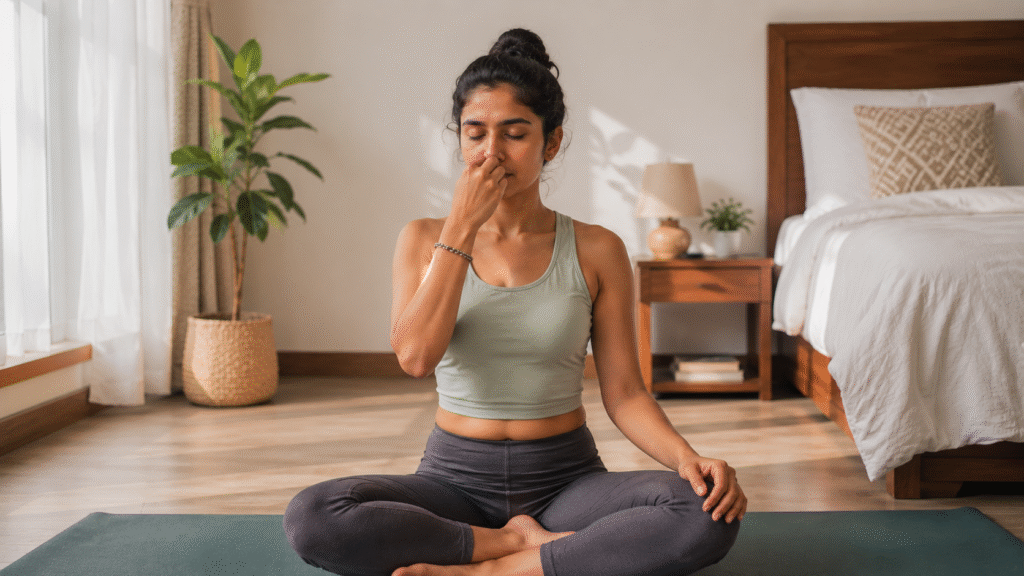
Beginner-Friendly Tips
- Practice early in the morning
- Sit comfortably
- Start with 5 minutes daily
- Focus on slow breathing
- Keep your shoulders relaxed
You do not need special equipment to practice pranayama at home.
Common Mistakes to Avoid
Many beginners make small mistakes while learning breathing exercises.
Avoid These Mistakes
- Breathing too fast
- Forcing deep breaths
- Practicing right after meals
- Holding the breath too long
- Skipping regular practice
Consistency matters more than perfection.
FAQs
Is pranayama good for anxiety?
Yes. Pranayama helps calm the nervous system and reduce stress naturally through controlled breathing.
How long should beginners practice pranayama?
Beginners can start with 5 to 10 minutes daily and slowly increase the time.
Which pranayama is best for stress relief?
Nadi Shodhana and Bhramari are considered very effective for stress and anxiety relief.
Can I do pranayama before sleep?
Yes. Gentle breathing exercises like Bhramari and deep belly breathing can help improve sleep quality.
Is pranayama safe for everyone?
Most techniques are safe, but people with medical conditions should consult a doctor before trying advanced breathing exercises.
How quickly does pranayama work?
Some people feel relaxed immediately, while long-term benefits appear with regular practice.
Can pranayama replace medical treatment?
No. Pranayama can support mental wellness, but it should not replace professional medical advice or treatment.
Conclusion
Pranayama is a simple and natural way to manage stress and anxiety. These breathing exercises are beginner-friendly, easy to practice, and highly effective when done regularly.
Start with simple techniques like deep belly breathing or alternate nostril breathing. Practice daily, stay patient, and allow your mind and body to adjust slowly.
Even a few minutes of mindful breathing each day can help you feel calmer, lighter, and more balanced.
