
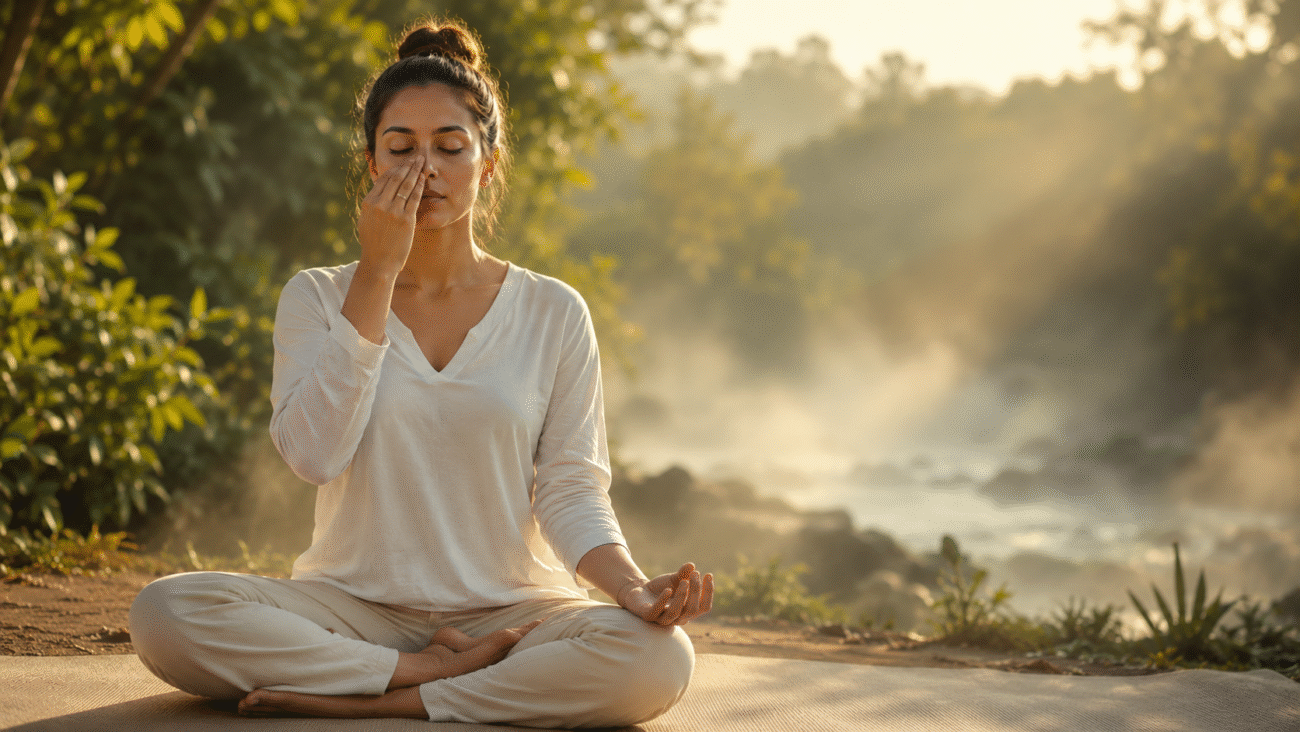
Do you feel stressed, tired, or mentally busy every day? Many people struggle with anxiety, low energy, and poor focus. A simple breathing practice can help more than you think.
Pranayama is an ancient breathing technique used in yoga. It helps calm the mind, improve focus, and support better health. Many people also use Kundalini breathing practice to feel more energetic and emotionally balanced.
In this beginner-friendly guide, you will learn:
- What pranayama is
- How Kundalini breathing works
- Benefits of daily practice
- Risks and mistakes to avoid
- Easy tips for beginners
What is Pranayama?
Pranayama is a yogic breathing practice. The word comes from Sanskrit:
- Prana = life energy
- Ayama = control or expansion
So, pranayama means controlling or expanding life energy through breathing.
In yoga, breath is more than air. It is believed to carry energy through the body. When breathing becomes calm and deep, the mind also becomes calm.
Kundalini yoga uses special breathing exercises to awaken inner energy and improve awareness.
Simple Example
Think about how your breathing changes:
- Fast breathing when stressed
- Slow breathing when relaxed
Pranayama helps you control your breath to improve your body and mind.
How Kundalini Breathing Practice Works (Step-by-Step)
Daily Kundalini breathing practice is simple for beginners. You do not need expensive tools or equipment.
Step 1: Sit Comfortably
- Sit on the floor or chair
- Keep your back straight
- Relax your shoulders
Step 2: Close Your Eyes
This helps reduce distractions.
Step 3: Focus on Your Breath
Breathe slowly through your nose.
Step 4: Practice Deep Breathing
- Inhale deeply
- Hold for a few seconds
- Exhale slowly
Step 5: Repeat
Continue for 3–10 minutes.
One common Kundalini breathing exercise is called Breath of Fire.
It uses:
- Quick inhales
- Quick exhales
- Rhythmic breathing
This technique may increase energy and focus.
Timeline: How Long Before You See Results?
Many beginners ask how quickly pranayama works.
The answer depends on regular practice.
Possible Timeline
| Time Period | Possible Benefits |
|---|---|
| 1 Day | Feeling calmer |
| 1 Week | Better focus and relaxation |
| 2–4 Weeks | Improved breathing and energy |
| 1–3 Months | Better emotional balance and stress control |
Consistency is important.
Even 5 minutes daily can help.
Stages and Signs During Practice
When starting pranayama, you may notice small changes.
Early Signs
- Relaxed body
- Slower thoughts
- Better breathing awareness
Middle Stage
- Improved concentration
- More emotional control
- Better sleep
Advanced Stage
- Deep inner calm
- Strong energy levels
- Better mindfulness
Everyone’s experience is different.
Do not rush the process.
Benefits of Daily Kundalini Breathing Practice
Daily pranayama practice offers many physical and mental benefits.1. Reduces Stress
Deep breathing activates the body’s relaxation response.
It may help lower stress hormones.
Many people use breathing exercises during busy workdays.
2. Improves Focus
Mindful breathing trains your attention.
This can help:
- Students studying
- Office workers
- People with mental fatigue
3. Supports Better Sleep
Slow breathing helps calm the nervous system.
Practicing before bedtime may improve sleep quality.
4. Increases Energy
Kundalini yoga breathing may help improve oxygen flow.
Many people feel fresh and active after practice.
5. Helps Emotional Balance
Daily pranayama practice may help manage:
- Anxiety
- Anger
- Mood swings
Breathing slowly gives the mind time to relax.
6. Improves Lung Function
Breathing exercises strengthen breathing awareness.
This may support better lung capacity over time.
7. Encourages Mindfulness
Pranayama keeps your attention in the present moment.
This supports meditation and mental clarity.
Risks and Side Effects of Pranayama
Pranayama is generally safe when practiced correctly.
However, beginners should be careful.
Possible Side Effects
- Dizziness
- Headache
- Fast heartbeat
- Lightheaded feeling
These usually happen because of:
- Overbreathing
- Breathing too fast
- Practicing too long
Who Should Be Careful?
People with these conditions should speak with a doctor first:
- Asthma
- Heart disease
- High blood pressure
- Breathing disorders
Pregnant women should also practice carefully.
Tips for Beginners
Starting slowly is the best way to learn pranayama.
Beginner-Friendly Tips
- Practice in a quiet place
- Start with 3–5 minutes
- Breathe naturally
- Do not force your breath
- Practice daily for better results
Best Time to Practice
Morning is often best because the mind feels fresh and calm.
Common Mistakes to Avoid
Many beginners make small mistakes during breathing exercises.
1. Breathing Too Fast
Slow breathing is more effective.
2. Forcing the Breath
Do not push your lungs too hard.
3. Poor Posture
Keep your spine straight.
4. Skipping Practice
Consistency matters more than long sessions.
5. Practicing After Heavy Meals
Wait at least 2 hours after eating.
FAQs About Pranayama
1. Is pranayama safe for beginners?
Yes. Simple breathing exercises are usually safe when practiced slowly and correctly.
2. How long should I practice pranayama daily?
Beginners can start with 5–10 minutes daily.
3. Can pranayama reduce anxiety?
Many people feel calmer after mindful breathing exercises because slow breathing relaxes the nervous system.
4. What is the best pranayama for beginners?
Deep belly breathing and alternate nostril breathing are good beginner options.
5. Can I practice Kundalini breathing at home?
Yes. Many simple Kundalini breathing techniques can be practiced safely at home.
6. Should I practice pranayama before meditation?
Yes. Many people use pranayama to calm the mind before meditation.
7. Can pranayama improve sleep?
Slow breathing may help relax the body and support better sleep quality.
Conclusion
Pranayama is a powerful but simple breathing practice that supports both mental and physical well-being. Daily Kundalini breathing practice may help reduce stress, improve focus, increase energy, and create emotional balance.
The best part is that beginners can start easily at home with just a few minutes each day.
Start slowly, breathe naturally, and stay consistent. Small daily practice can create big long-term benefits.
