Do you often feel out of breath while climbing stairs or doing simple daily activities? Many people have weaker lungs due to stress, poor posture, lack of exercise, or unhealthy lifestyle habits.
The good news is that simple breathing exercises can help. One of the most effective ways to improve breathing health is through pranayama. These ancient yogic breathing techniques can strengthen your lungs, improve oxygen flow, and help you feel more energetic.
What Is Pranayama?
Pranayama is a breathing practice that comes from yoga. The word combines two Sanskrit terms:
- Prana = life force or vital energy
- Ayama = expansion or control
In simple words, pranayama means controlling and improving your breath.
Different breathing techniques help your lungs work more efficiently and may improve overall respiratory health when practiced regularly.
How It Works
Pranayama helps train your lungs and breathing muscles.
Here’s how it works:
- You take slow and controlled breaths.
- Your lungs expand more fully.
- Oxygen intake improves.
- Breathing muscles become stronger.
- Carbon dioxide is released more effectively.
Over time, regular practice may help increase lung capacity and improve breathing efficiency.
Timeline or Duration
Many beginners wonder how long it takes to see results.
General timeline:
- First week: Better awareness of breathing
- 2–4 weeks: Easier and deeper breathing
- 1–3 months: Improved lung endurance and stamina
- Long term: Better respiratory function and relaxation
For best results:
- Practice 10–20 minutes daily
- Stay consistent
- Focus on proper technique
Best Pranayama Techniques to Increase Lung Capacity
Deep Breathing (Dirga Pranayama)
This is one of the easiest breathing exercises for beginners.
How to do it:
- Sit comfortably.
- Inhale slowly through the nose.
- Fill your belly, ribs, and chest.
- Exhale slowly through the nose.
- Repeat for 5–10 minutes.
Benefits:
- Expands the lungs
- Improves oxygen intake
- Reduces stress
- Builds breathing awareness
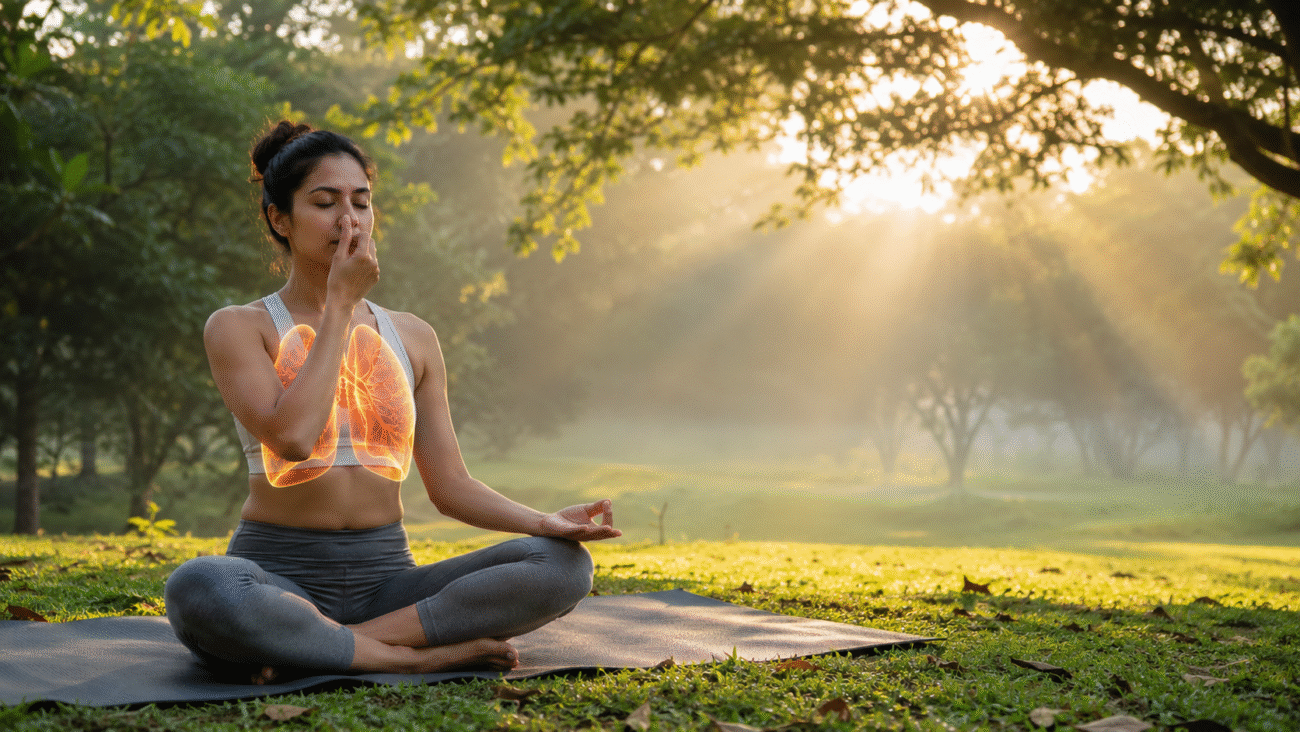
Anulom Vilom (Alternate Nostril Breathing)
This is among the most popular pranayama techniques.
How to do it:
- Close the right nostril.
- Inhale through the left nostril.
- Close the left nostril.
- Exhale through the right nostril.
- Inhale through the right.
- Exhale through the left.
Benefits:
- Balances breathing patterns
- Supports lung function
- Helps calm the mind
- Improves focus
Bhastrika Pranayama
Bhastrika is often called Bellows Breath.
How to do it:
- Sit upright.
- Inhale deeply through the nose.
- Exhale forcefully through the nose.
- Continue rhythmically.
Benefits:
- Strengthens respiratory muscles
- Improves oxygen circulation
- Supports healthy lungs
- Boosts energy levels
Beginners should start slowly.
Kapalabhati
Kapalabhati focuses on active exhalation.
How to do it:
- Sit comfortably.
- Take a gentle inhale.
- Forcefully exhale by contracting the abdomen.
- Let inhalation happen naturally.
Benefits:
- Clears airways
- Improves breathing control
- Supports lung health
- Enhances respiratory endurance
People with certain medical conditions should consult a healthcare professional before practicing.
Bhramari Pranayama (Bee Breath)
This calming technique creates a humming sound.
How to do it:
- Sit quietly.
- Inhale deeply.
- Exhale while making a gentle humming sound.
- Repeat several times.
Benefits:
- Reduces stress
- Encourages deep breathing
- Improves oxygen flow
- Helps relaxation
Ujjayi Breathing
Often called Ocean Breath.
How to do it:
- Inhale through the nose.
- Slightly tighten the throat.
- Exhale slowly while creating a soft ocean-like sound.
Benefits:
- Improves breath control
- Strengthens lungs
- Enhances focus
- Supports endurance
Benefits
Regular practice of the best pranayama techniques to increase lung capacity may provide many benefits.
Some common benefits include:
- Better lung function
- Improved oxygen supply
- Increased stamina
- Stronger breathing muscles
- Reduced stress and anxiety
- Better concentration
- Improved relaxation
- Enhanced overall respiratory health
Many people also notice improved performance during walking, exercise, and daily activities.
Risks or Side Effects
Pranayama is generally safe when practiced correctly.
However, some people may experience the following:
- Dizziness
- Lightheadedness
- Shortness of breath
- Headache
- Fatigue from overdoing exercises
Avoid forcing your breath.
Stop immediately if you feel uncomfortable.
People with the following conditions should seek medical advice first:
- Heart disease
- Severe asthma
- High blood pressure
- Chronic lung conditions
- Recent surgery
Tips for Beginners
If you’re new to breathing exercises for lung capacity, follow these simple tips:
- Practice on an empty stomach
- Sit comfortably with a straight spine
- Start with 5 minutes daily
- Breathe through the nose when possible
- Focus on slow, controlled breaths
- Learn one technique at a time
- Practice in a quiet place
- Stay consistent
Consistency matters more than intensity.
Common Mistakes to Avoid
Many beginners make small mistakes that reduce results.
Avoid these common errors:
- Breathing too fast
- Forcing inhalation or exhalation
- Holding the breath excessively
- Practicing immediately after meals
- Ignoring dizziness
- Poor posture
- Expecting instant results
Slow and steady practice works best.
FAQs
Which pranayama is best for increasing lung capacity?
Deep breathing, anulom vilom, bhastrika, and Ujjayi breathing are among the most effective pranayama techniques for improving lung capacity.
How long should I practice pranayama daily?
Beginners can start with 10 minutes daily and gradually increase to 20 minutes.
Can pranayama improve breathing naturally?
Yes. Regular practice may help improve breathing efficiency, strengthen respiratory muscles, and support healthy lung function.
Is pranayama safe for beginners?
Yes. Most pranayama techniques are beginner-friendly when practiced gently and correctly.
Can pranayama help with stamina?
Many people experience improved endurance and better oxygen utilization with regular practice.
When is the best time to practice pranayama?
Early morning is often considered ideal, but any quiet time during the day can work.
How soon can I notice results?
Some people notice easier breathing and relaxation within a few weeks of consistent practice.
Conclusion
Breathing: The best pranayama techniques to increase lung capacity are simple, natural, and beginner-friendly. Practices like deep breathing, anulom vilom, bhastrika, kapalabhati, bhramari, and Ujjayi breathing can help strengthen your lungs and improve breathing efficiency over time.
Start slowly, focus on proper technique, and practice regularly. Even a few minutes each day can make a meaningful difference in your respiratory health and overall well-being.
`
