
Have you ever noticed how peaceful the world feels early in the morning? The air is fresh, the surroundings are quiet, and your mind is usually less busy than later in the day.
This is one reason why many yoga teachers recommend morning pranayama and meditation. Starting your day with simple breathing exercises and meditation can help you feel calmer, more focused, and ready for daily challenges.
In this article, you will learn why morning is considered the best time for these practices, how they work, their benefits, possible risks, and helpful tips for beginners.
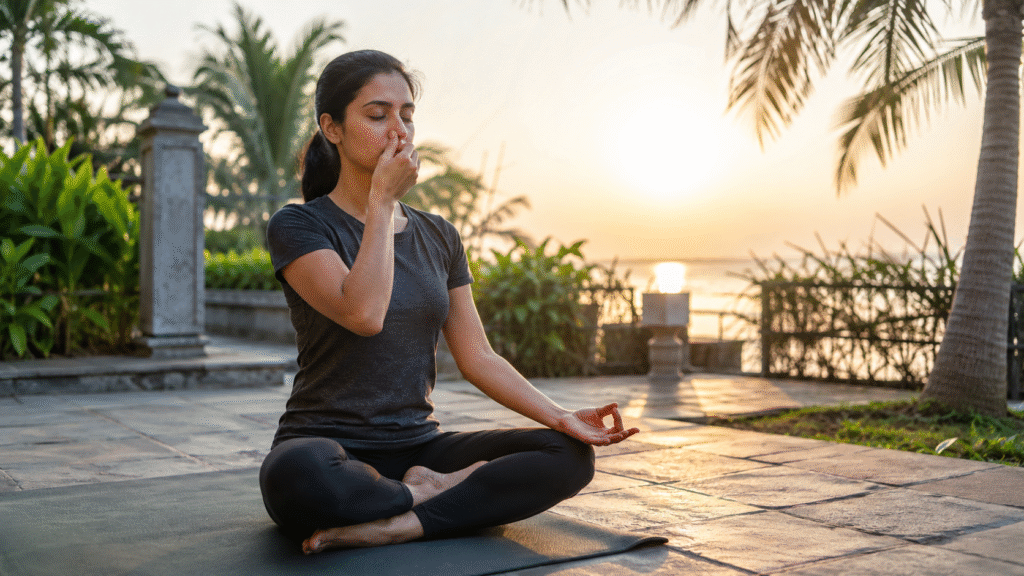
What are morning pranayama and meditation?
Pranayama is a yogic breathing practice that helps control and improve the flow of breath in the body. It involves simple breathing techniques that can support physical and mental well-being.
Meditation is a practice of focusing the mind. It helps reduce distractions and encourages awareness of the present moment.
When practiced together in the morning, pranayama prepares the mind and body, while meditation helps create mental peace and clarity.
How It Works
Morning pranayama and meditation work by calming the nervous system and improving focus before the day becomes busy.
Here is a simple step-by-step process:
- Wake up early and freshen up.
- Find a quiet and comfortable place.
- Sit with your spine straight.
- Practice gentle deep breathing for a few minutes.
- Perform simple pranayama techniques, such as:
- Anulom Vilom
- Deep Belly Breathing
- Bhramari
- After breathing exercises, sit quietly and meditate.
- Focus on your breath or repeat a simple mantra.
- Continue for a few minutes and gradually increase the duration.
This simple morning wellness routine can help create a positive start to the day.
Timeline or Duration
Beginners do not need to spend a long time practicing.
A simple schedule can look like this:
- Week 1: 5 minutes pranayama + 5 minutes meditation
- Week 2: 10 minutes pranayama + 10 minutes meditation
- Week 3 and beyond: 15–20 minutes each practice
Consistency is more important than duration.
Why Morning is the Best Time for Pranayama and Meditation
The Mind is Calm
Early morning is usually free from work pressure, social media, and daily distractions. This makes it easier to focus during meditation.
Fresh Air Supports Deep Breathing
Many people find that breathing exercises in the morning feel more comfortable because the environment is quieter and often cleaner.
Better Energy for the Day
Morning pranayama can help you feel more alert and refreshed. Instead of starting the day feeling rushed, you begin with a sense of balance.
Builds a Healthy Routine
When you practice at the same time every morning, it becomes a habit. Morning routines are often easier to maintain than evening routines.
Improved Focus and Productivity
A few minutes of mindfulness practice can help improve concentration throughout the day.
Benefits
Regular morning pranayama and meditation may provide several benefits.
Mental Benefits
- Better focus
- Improved concentration
- Reduced stress
- Greater emotional balance
- Increased mental clarity
Physical Benefits
- Better breathing habits
- Improved oxygen flow
- More energy throughout the day
- Support for relaxation
Lifestyle Benefits
- Creates discipline
- Encourages healthy habits
- Promotes a positive mindset
- Helps improve daily productivity
For example, a student who practices morning meditation before studying may find it easier to stay focused during classes.
Risks or Side Effects
Although pranayama and meditation are generally safe, beginners should be aware of a few things.
Possible issues include:
- Dizziness from breathing too forcefully
- Discomfort from sitting incorrectly
- Frustration when the mind wanders
- Fatigue if practiced without proper rest
To stay safe:
- Practice gentle breathing.
- Avoid forcing the breath.
- Stop if you feel uncomfortable.
- Learn advanced techniques from a qualified yoga teacher.
People with medical conditions should consult a healthcare professional before starting intensive breathing practices.
Tips for Beginners
If you are new to Morning Pranayama and Meditation, these tips can help:
- Start with 5 to 10 minutes daily.
- Practice on an empty stomach.
- Choose a quiet location.
- Sit comfortably.
- Focus on consistency.
- Keep expectations realistic.
- Be patient with your progress.
Remember, meditation is not about stopping thoughts completely. It is about learning to observe them calmly.
Common Mistakes to Avoid
Many beginners make these mistakes:
Trying Advanced Techniques Too Soon
Start with basic yoga breathing techniques before moving to advanced practices.
Practicing Irregularly
Doing 10 minutes daily is usually better than practicing for an hour once a week.
Forcing the Breath
Breathing should feel natural and comfortable.
Expecting Instant Results
Benefits often appear gradually through regular practice.
Using Mobile Phones During Practice
Avoid distractions and create a peaceful environment.
FAQs
1. What is the best time to do pranayama and meditation daily?
Early morning, preferably around sunrise, is often considered the best time because the mind is fresh and distractions are minimal.
2. Can beginners practice morning pranayama?
Yes. Beginners can start with simple breathing exercises and gradually increase their practice.
3. How long should morning meditation last?
Beginners can start with 5 to 10 minutes and slowly increase the duration as they become comfortable.
4. Should pranayama be done before meditation?
Yes. Pranayama is commonly practiced before meditation because it helps calm and prepare the mind.
5. Can I do pranayama after eating?
It is generally recommended to practice on an empty stomach or wait a few hours after a meal.
6. What if my mind keeps wandering during meditation?
This is completely normal. Gently bring your attention back to your breath each time you notice distractions.
7. Can morning meditation improve focus?
Many people find that a regular morning meditation routine helps improve concentration and mental clarity throughout the day.
Conclusion
Morning pranayama and meditation offer a simple way to start the day with calmness, focus, and positive energy. The quiet atmosphere of the morning makes it easier to practice deep breathing and mindfulness without distractions.
You do not need long sessions or advanced skills to begin. Start with a few minutes every day, stay consistent, and allow the benefits to build naturally over time. Small daily efforts can lead to meaningful improvements in both mental and physical well-being.
