Mental health has become a big concern for many people today. Stress, anxiety, poor sleep, and emotional burnout are now common problems. Many people want a natural and simple way to feel calmer and happier without depending only on medicines.
This is where online pranayama classes can help.
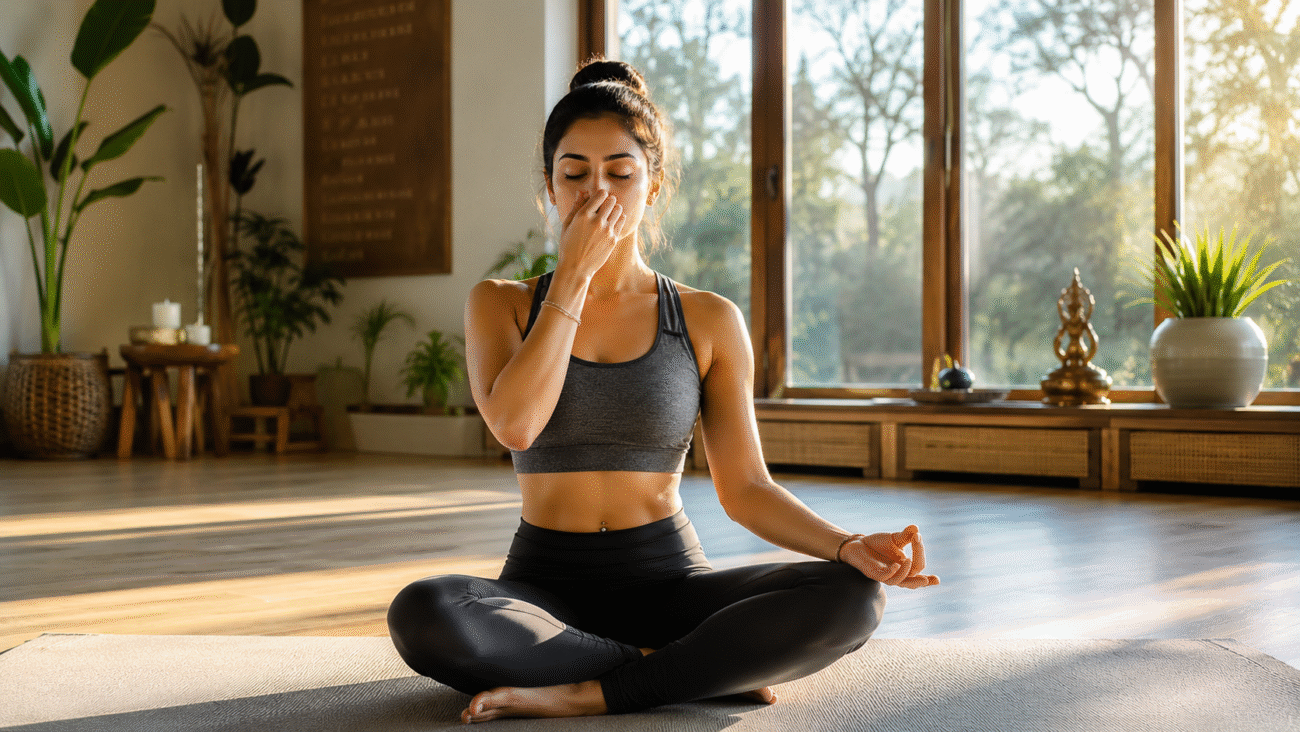
Pranayama is a breathing practice from yoga that focuses on controlling the breath. It may look simple, but regular breathing exercises can have a strong effect on the mind and body. The best part is that anyone can learn it from home through online classes.
In this blog, you will learn what pranayama is, how online pranayama classes work, their mental health benefits, possible risks, beginner tips, and common mistakes to avoid.
What is Pranayama?
Pranayama is a yogic breathing technique that helps control the flow of breath and energy in the body. The word comes from Sanskrit:
- “Prana” means life energy
- “Ayama” means control or expansion
In simple words, pranayama teaches you how to breathe in a better and more mindful way.
Many yoga teachers believe that breathing affects emotions. Fast breathing may increase stress, while slow breathing can calm the mind.
Popular pranayama techniques include the following:
- Anulom Vilom
- Kapalabhati
- Bhramari
- Ujjayi breathing
- Deep belly breathing
Today, many people join online pranayama classes to learn these techniques safely from experienced instructors.
How Online Pranayama Classes Work
Online pranayama classes are simple and beginner-friendly. Most classes happen through video platforms like Zoom or recorded sessions.
Here is how they usually work:
Step 1: Warm-Up
The instructor may begin with simple stretching or body relaxation.
Step 2: Breathing Awareness
You learn to observe your natural breathing pattern.
Step 3: Guided Breathing Exercises
The teacher explains each breathing method slowly and clearly.
Step 4: Relaxation
Most sessions end with meditation or quiet breathing.
Some online breathing exercises for stress relief are only 15–20 minutes long. Others may last around one hour.
Timeline or Duration
Many beginners ask how long pranayama takes to improve mental health.
The answer depends on consistency.
Here is a simple timeline:
- After 1 session: You may feel relaxed and calm
- After 1 week: Better focus and sleep may improve
- After 1 month: Stress and anxiety may reduce
- After 2–3 months: Emotional balance and mental clarity may improve
Doing pranayama daily gives better results than doing it once in a while.
Benefits
Reduces Stress
One of the biggest benefits of online pranayama classes is stress relief.
Slow breathing sends calming signals to the brain. This helps lower tension in the body.
Many people use pranayama for anxiety and depression because it creates a peaceful feeling naturally.
Improves Sleep
Poor sleep can affect mood and mental health.
Breathing exercises before bedtime may help calm racing thoughts. This can improve sleep quality and help people fall asleep faster.
Helps With Anxiety
People with anxiety often breathe quickly without realizing it.
Pranayama teaches slow and controlled breathing. This may help reduce panic and nervousness over time.
Improves Focus
Mindful breathing helps improve concentration.
Students and working professionals often join virtual yoga breathing sessions to improve mental clarity and attention.
Supports Emotional Balance
Daily pranayama practice may help control anger, frustration, and emotional stress.
Many people feel more patient and emotionally stable after regular practice.
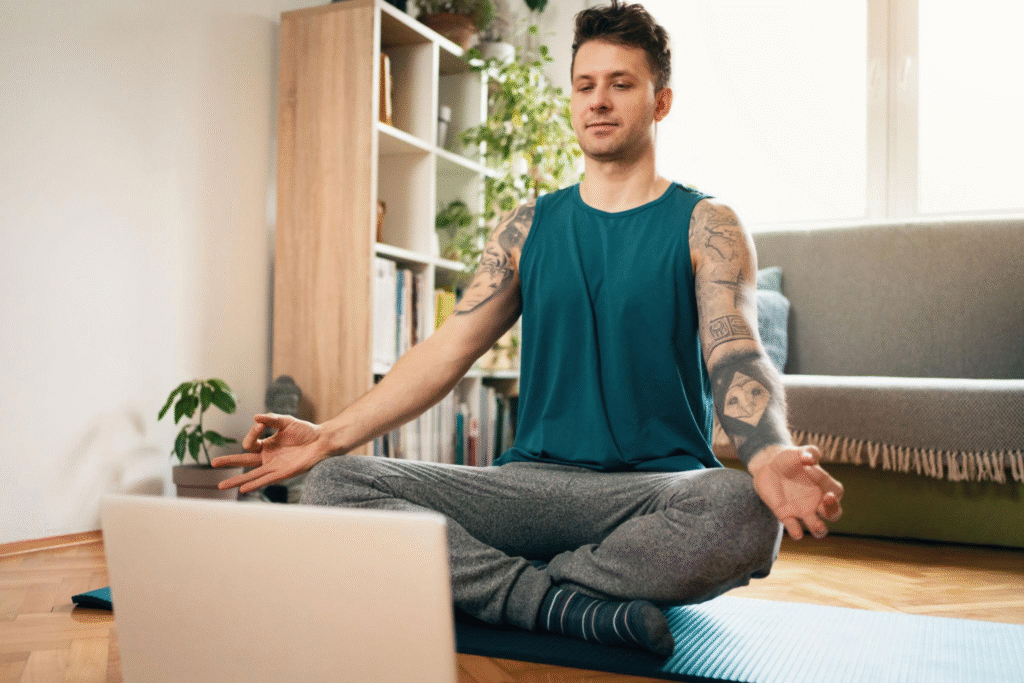
Easy to Learn From Home
Online classes make learning very convenient.
You do not need to travel to a yoga studio. You can learn from your bedroom or living room.
This is especially helpful for busy people and beginners.
Encourages Healthy Routine
Joining regular classes creates discipline.
A simple morning breathing routine can help start the day with a positive mindset.
Risks or Side Effects
Pranayama is generally safe when practiced correctly. However, beginners should still be careful.
Possible side effects include:
- Dizziness
- Headache
- Shortness of breath
- Feeling tired
- Discomfort from overbreathing
These problems usually happen when people force their breathing too much.
To stay safe:
- Learn from certified instructors
- Start slowly
- Never hold your breath for too long
- Stop if you feel uncomfortable
People with asthma, heart conditions, or breathing disorders should speak with a doctor before starting advanced pranayama techniques.
Tips for Beginners
Starting online pranayama classes can feel confusing at first. These simple tips can help.
Choose Beginner-Friendly Classes
Look for classes made for beginners.
Avoid advanced breathing exercises in the beginning.
Practice in a Quiet Place
A calm environment helps you focus better.
Turn off distractions during practice.
Sit Comfortably
You do not need complicated yoga poses.
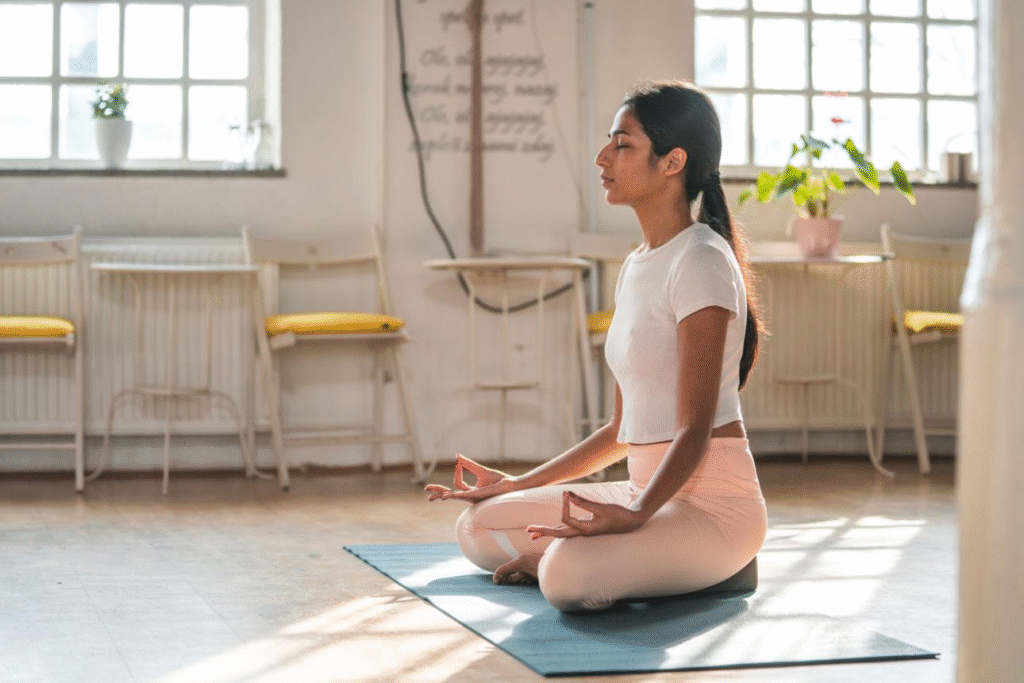
Sit on a chair or floor with a straight back.
Start Small
Even 10 minutes daily can help.
Consistency matters more than long sessions.
Focus on Natural Breathing
Do not force deep breaths.
Slow and gentle breathing works best.
Follow the instructor carefully.
Good guidance is important, especially for beginners learning pranayama at home.
Common Mistakes to Avoid
Many beginners make small mistakes that reduce the benefits of pranayama.
Breathing Too Fast
Fast breathing may create dizziness or stress instead of relaxation.
Practicing Right After Meals
Wait at least 2 hours after eating.
Skipping Warm-Up
Simple body relaxation helps prepare the mind and lungs.
Expecting Instant Results
Mental health improvement takes time and regular practice.
Copying Advanced Techniques Online
Not every breathing exercise is suitable for beginners.
Always learn step-by-step.
FAQs
Can online pranayama classes really improve mental health?
Yes. Regular breathing exercises may help reduce stress, anxiety, and mental fatigue. Many people feel calmer and more focused after practicing consistently.
How often should beginners practice pranayama?
Beginners can start with 10–15 minutes daily. Regular practice gives better results than occasional practice.
Are online pranayama classes safe?
Most online classes are safe when taught by trained instructors. Beginners should avoid advanced breathing techniques without guidance.
Which pranayama is best for stress relief?
Anulom Vilom and Bhramari are commonly recommended for stress and relaxation.
Can pranayama help with anxiety and depression?
Pranayama may support emotional wellness by calming the nervous system. However, it should not replace professional medical treatment when needed.
Do I need yoga experience to join online pranayama classes?
No. Most beginner classes are designed for people with no yoga experience.
What is the best time for pranayama practice?
Morning is often considered the best time because the mind feels fresh and calm.
Conclusion
Mental health is just as important as physical health. Small daily habits can make a big difference over time.
Online pranayama classes offer a simple and natural way to reduce stress, improve focus, and feel emotionally balanced. They are beginner-friendly, easy to access, and suitable for most people.
If you are feeling overwhelmed or mentally tired, starting with a few minutes of mindful breathing each day may help more than you expect.
Take it slow, stay consistent, and give your mind time to heal and relax naturally.
