
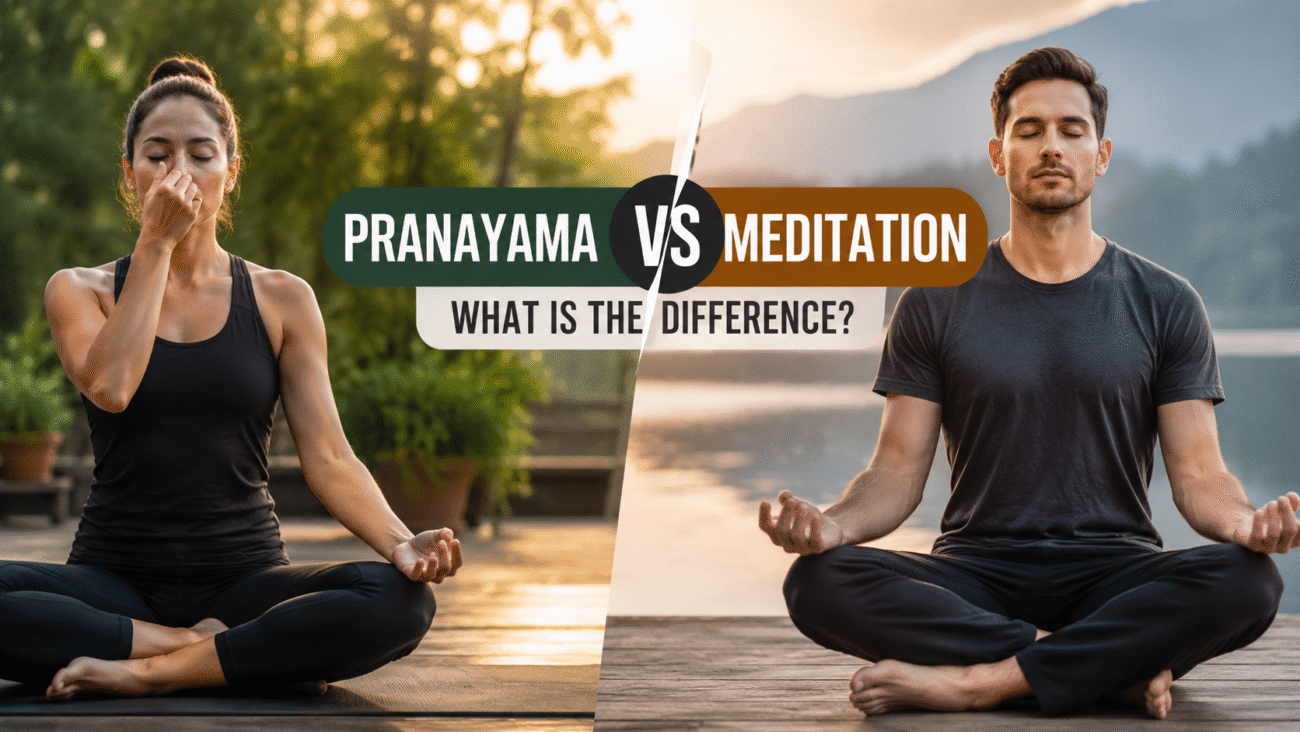
What is Pranayama?
Pranayama is a breathing practice used in yoga. The word comes from Sanskrit. “Prana” means life energy, and “yama” means control.
In simple words, pranayama is about controlling your breath in a mindful way.
These breathing exercises help improve physical and mental balance. Many yoga sessions include pranayama before meditation.
Common pranayama techniques include:
- Deep breathing
- Alternate nostril breathing
- Belly breathing
- Bhramari breathing
- Kapalabhati
Pranayama focuses mainly on the breath and body energy.
What is meditation?
Meditation is a mental practice that helps calm the mind and improve awareness.
In meditation, you usually sit quietly and focus on one thing. This could be:
- Your breath
- A sound
- A word or mantra
- Your thoughts
- Body sensations
The goal is not to stop thinking completely. Instead, meditation teaches you to observe your thoughts without reacting.
Meditation mainly focuses on the mind and awareness.
Pranayama vs Meditation: Main Difference
Here is a simple table to understand the difference between pranayama and meditation.
| Feature | Pranayama | Meditation |
|---|---|---|
| Main Focus | Breath control | Mind awareness |
| Practice Type | Active | Passive |
| Goal | Balance energy and breathing | Calm the mind |
| Body Involvement | More physical | Mostly mental |
| Common Position | Sitting with breathing patterns | Quiet sitting and observation |
| Difficulty Level | Easy to moderate | Moderate for beginners |
| Best For | Energy and focus | Peace and mindfulness |
Both practices work well together, but they are not the same thing.
How Pranayama Works
Pranayama works by controlling breathing patterns.
When you breathe slowly and deeply, your nervous system relaxes. This helps reduce stress and improves oxygen flow in the body.
Here is a simple step-by-step example:
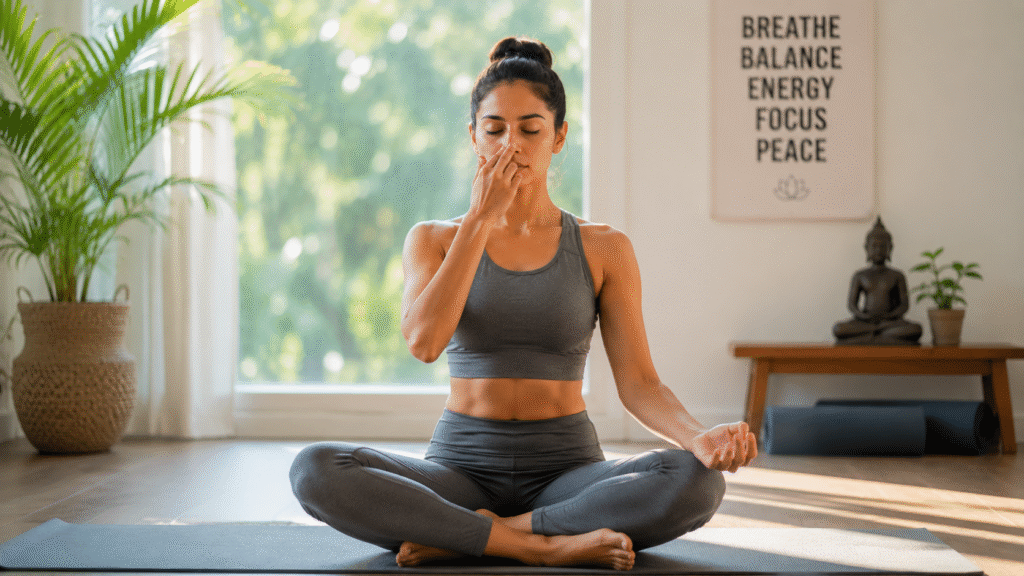
- Sit comfortably
- Keep your back straight
- Inhale slowly through the nose
- Hold your breath for a few seconds
- Exhale slowly
- Repeat for 5–10 minutes
This simple breathing exercise can help calm the body quickly.
How Meditation Works
Meditation works by training your attention.
When you focus your mind on one thing, your thoughts become calmer over time. You learn to stay present instead of worrying about the past or future.
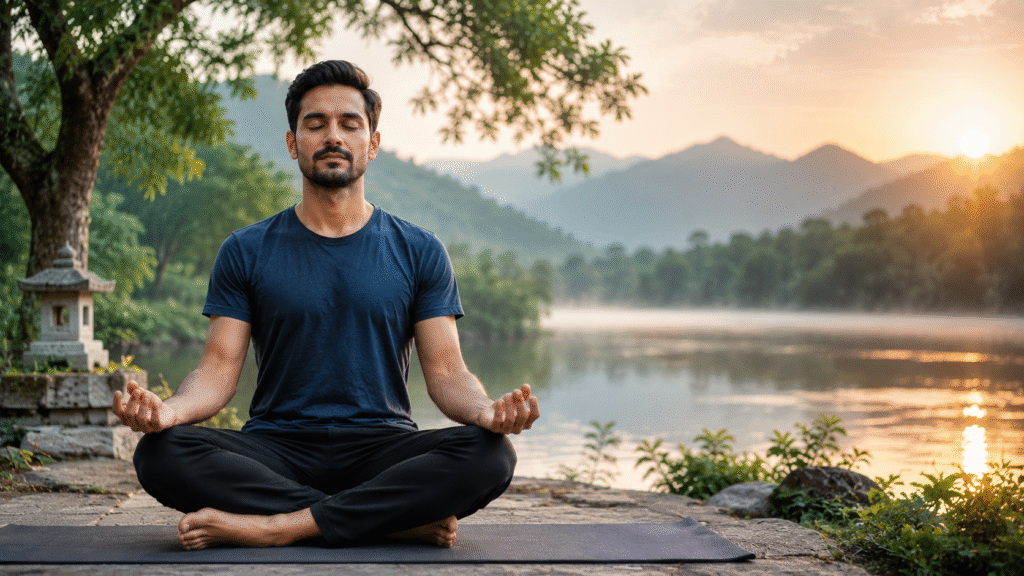
Basic meditation steps:
- Sit in a quiet place
- Close your eyes
- Focus on your breathing
- Notice your thoughts
- Bring your focus back gently
At first, your mind may wander a lot. That is completely normal.
Which Should You Do First?
Many beginners ask whether they should practice pranayama or meditation first.
A simple answer is
Start with pranayama, then move to meditation.
Breathing exercises help calm the body and mind. This makes meditation easier and more comfortable.
For example:
- 5 minutes of deep breathing
- Followed by 10 minutes of meditation
This combination works very well for beginners.
Benefits of Pranayama
Pranayama offers many physical and mental benefits.
Improves Breathing
Breathing exercises help strengthen the lungs and improve oxygen flow.
Reduces Stress
Slow breathing tells the body to relax. This can lower stress levels naturally.
Boosts Energy
Some pranayama techniques increase alertness and freshness.
Improves Focus
Controlled breathing helps the mind stay clear and focused.
Supports Better Sleep
Relaxing breathing practices may improve sleep quality.
Benefits of Meditation
Meditation mainly supports mental and emotional wellness.
Calms the Mind
Meditation helps reduce mental noise and overthinking.
Improves Emotional Balance
Regular meditation may help you react more calmly in daily life.
Better Concentration
Meditation trains the brain to focus better.
Helps with Anxiety
Many people use mindfulness meditation for stress and anxiety management.
Encourages Self-Awareness
Meditation helps you understand your thoughts and emotions better.
Risks or Side Effects
Both practices are generally safe, but beginners should still be careful.
Risks of Pranayama
Incorrect breathing techniques may cause the following:
- Dizziness
- Headaches
- Shortness of breath
- Fatigue
Avoid forcing your breath.
Risks of Meditation
Some beginners may feel the following:
- Restlessness
- Frustration
- Emotional discomfort
- Difficulty concentrating
Start slowly and keep expectations realistic.
If you have serious health conditions, consult a healthcare professional before starting advanced breathing exercises.
Tips for Beginners
Starting simple is the best approach.
Choose a Quiet Place
A calm environment helps you focus better.
Practice Daily
Even 5–10 minutes daily can help.
Don’t Force Yourself
Stay relaxed during both pranayama and meditation.
Start with Easy Techniques
Begin with deep breathing before trying advanced yoga breathing techniques.
Be Patient
Results take time. Consistency matters more than perfection.
Common Mistakes to Avoid
Beginners often make small mistakes that reduce the benefits.
Holding the Breath Too Long
This can make you feel uncomfortable or dizzy.
Expecting Instant Results
Mental calmness develops slowly with practice.
Practicing in a Noisy Place
Too many distractions make concentration harder.
Sitting in an Uncomfortable Position
Choose a comfortable sitting posture.
Skipping Regular Practice
Doing it once in a while may not give noticeable benefits.
Pranayama vs Meditation for Beginners
If you are completely new, start with simple pranayama breathing first.
Why?
Because breathing exercises are easier to follow and give quick relaxation.
After that, add short meditation sessions gradually.
A beginner-friendly routine could look like this:
- 5 minutes deep breathing
- 5 minutes meditation
- Practice daily
This creates a balanced and healthy habit.
FAQs
Is pranayama the same as meditation?
No. Pranayama focuses on breathing control, while meditation focuses on mental awareness and mindfulness.
Which is better: pranayama or meditation?
Both are helpful. Pranayama is better for breath and energy control, while meditation is better for mental calmness.
Can I do pranayama and meditation together?
Yes. Many people practice pranayama before meditation because it helps relax the mind.
How long should beginners practice?
Start with 5–10 minutes daily for each practice.
Can pranayama reduce stress?
Yes. Slow breathing exercises can help relax the nervous system and reduce stress.
Is meditation difficult for beginners?
Meditation can feel challenging at first because the mind wanders naturally. Regular practice makes it easier.
Should I close my eyes during meditation?
Most people close their eyes to reduce distractions, but it is optional.
Conclusion
Understanding Pranayama vs. Meditation becomes easier when you look at their main purposes.
Pranayama works with the breath and body energy. Meditation works with the mind and awareness.
Both practices can improve your mental and physical wellness when done regularly.
If you are a beginner, start slowly. Simple breathing exercises and short meditation sessions can make a big difference over time.
The key is consistency, patience, and staying relaxed during practice.
