
Breath control is one of the most powerful parts of yoga, but many beginners feel unsure about kumbhaka pranayama. Is holding your breath safe? How long should you do it? And when should you start practicing it?
The good news is that kumbhaka can be a safe and rewarding practice when learned step by step. It helps improve breath awareness, supports mental focus, and prepares you for deeper pranayama techniques. However, it should never be forced or rushed.
In this guide, you’ll learn what kumbhaka is, the different types of breath retention, its benefits, common mistakes, safety tips, and how beginners can practice it with confidence.
Kumbhaka is the practice of holding the breath during pranayama. It includes holding the breath after inhaling (Antara Kumbhaka) or after exhaling (Bahya Kumbhaka). When practiced gently under proper guidance, kumbhaka can improve concentration, breath control, and nervous system balance. Beginners should avoid forcing long breath holds and build gradually.
What Is Kumbhaka?
Kumbhaka is the Sanskrit word for breath retention. In pranayama, it means intentionally pausing the breath for a short period.
The word “kumbha” means “pot.” Just as a pot can hold water, the body gently holds the breath during this practice.
Kumbhaka is usually practiced after developing a smooth and relaxed breathing pattern. It is not about seeing how long you can hold your breath. Instead, it is about creating calm awareness and better control over breathing.
Why Kumbhaka Matters
Breathing affects both the body and the mind.
When practiced correctly, kumbhaka can:
- Improve breath awareness
- Help calm racing thoughts
- Build better control over inhalation and exhalation
- Prepare you for advanced pranayama and meditation
- Support a balanced nervous system
For many yoga practitioners, breath retention becomes the bridge between simple breathing exercises and deeper inner awareness.
How Kumbhaka Works
When you gently pause your breath, your body becomes more aware of its natural breathing rhythm.
A safe beginner approach looks like this:
Step 1: Sit Comfortably
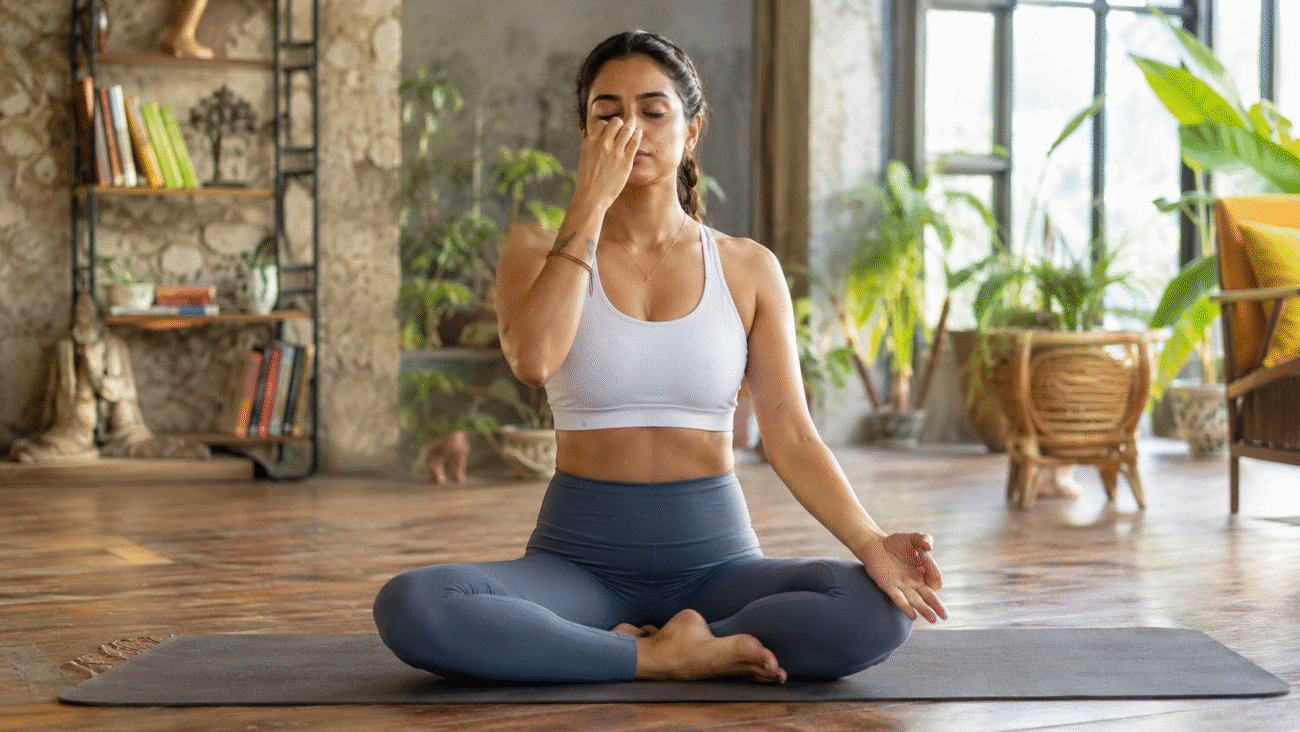
Choose a stable seated posture with your spine upright.
Relax your shoulders and face.
Step 2: Breathe Naturally
Take slow, smooth breaths through the nose.
Do not force deep inhalations.
Step 3: Inhale Gently
Take a comfortable breath in.
Avoid filling your lungs to maximum capacity.
Step 4: Hold the Breath Briefly
Pause for only a few seconds while staying relaxed.
If you feel any discomfort, release the breath immediately.
Step 5: Exhale Slowly
Exhale smoothly without pushing the air out.
Return to normal breathing before repeating.
The goal is comfort, not endurance.
Types of Kumbhaka
Understanding the different forms of breath retention helps you practice more safely.
| Type | Meaning | When It Happens | Best For |
|---|---|---|---|
| Antara Kumbhaka | Internal breath retention | Hold after inhaling | Developing breath awareness |
| Bahya Kumbhaka | External breath retention | Hold after exhaling | Intermediate practitioners with guidance |
Antara Kumbhaka
Antara Kumbhaka means holding the breath after inhaling.
This is usually introduced first because it feels more natural for most people.
Bahya Kumbhaka
Bahya Kumbhaka means holding the breath after exhaling.
This technique requires greater control and should be learned gradually with proper instruction.
How to Practice Kumbhaka Safely
Safety should always come first.
Follow these simple guidelines:
- Practice on an empty or light stomach.
- Sit in a quiet place.
- Keep your spine straight.
- Never strain to hold the breath.
- Stop immediately if you feel dizzy or uncomfortable.
- Increase breath retention slowly over weeks, not days.
- Learn advanced practices from a qualified yoga teacher.
If you have high blood pressure, heart disease, serious respiratory conditions, or are pregnant, consult your healthcare provider before practicing breath retention.
Those new to pranayama often benefit from structured guidance before adding kumbhaka. An intermediate breathwork program can provide supervised progression and proper technique: https://kundaliniyogashala.com/intermediate-breathwork-training-online.php
How Long Should You Hold the Breath?
There is no perfect number.
For beginners:
- Start with 2–4 seconds.
- Stay completely relaxed.
- Increase only when breathing remains easy.
- Never compete with others.
Quality is far more important than duration.
Benefits of Kumbhaka Pranayama
With regular and mindful practice, kumbhaka may offer several benefits.
Better Breath Control
You become more aware of how you breathe throughout the day.
Improved Concentration
Many practitioners notice that breath retention helps quiet mental distractions.
Greater Calm
Gentle breath pauses may activate relaxation responses when practiced without strain.
Preparation for Meditation
Steady breathing often makes it easier to sit quietly and focus.
Better Pranayama Practice
Kumbhaka helps connect inhalation and exhalation into a smoother breathing cycle.
Risks, Side Effects or Limitations
Kumbhaka is beneficial only when practiced correctly.
Possible problems include:
- Dizziness
- Headache
- Anxiety from overholding
- Increased blood pressure in susceptible individuals
- Breath strain
Remember that longer breath retention does not always mean better results.
Listening to your body is essential.
Practical Example
Imagine you’re learning to swim.
You wouldn’t jump into deep water on your first day.
Instead, you slowly become comfortable with the water before practicing longer underwater holds.
Kumbhaka works the same way.
Start with short, comfortable pauses and gradually build confidence over time.
Tips for Beginners
- Practice after simple deep breathing.
- Stay relaxed throughout.
- Focus on smooth breathing rather than long holds.
- Keep your face and shoulders soft.
- Practice consistently instead of pushing harder.
- End the session if you feel discomfort.
Small improvements over time are much safer than rapid progress.
Common Mistakes to Avoid
Many beginners make these errors:
- Holding the breath too long
- Tensing the neck and shoulders
- Forcing deep inhalations
- Practicing immediately after eating
- Ignoring signs of discomfort
- Comparing your breath with others
A relaxed breath is always better than a forced one.
Expert Insights
Experienced yoga teachers often emphasize that kumbhaka is not simply about stopping the breath. It is about cultivating awareness, steadiness, and ease.
A common observation in traditional pranayama practice is that breath retention naturally becomes longer as the lungs, diaphragm, and nervous system adapt over time. Trying to speed up this process usually creates tension instead of progress.
If your breathing remains calm before, during, and after each practice, you are moving in the right direction.
Frequently Asked Questions
Is kumbhaka safe for beginners?
Yes, when practiced gently. Beginners should use very short breath holds, avoid strain, and learn proper technique before attempting longer retention.
What is the difference between Antara Kumbhaka and Bahya Kumbhaka?
Antara Kumbhaka is holding the breath after inhaling. Bahya Kumbhaka is holding the breath after exhaling. Antara is generally introduced first because it feels more natural for most beginners.
How long should I hold my breath?
Start with about 2–4 seconds if it feels comfortable. Increase gradually over time without forcing or creating tension.
Can kumbhaka improve meditation?
Yes. Many practitioners find that steady breath control helps quiet the mind, making meditation easier and more comfortable.
Should I practice kumbhaka every day?
A short daily practice can be helpful if it remains comfortable. Rest if you feel tired, unwell, or notice any discomfort during breath retention.
Who should avoid kumbhaka?
People with uncontrolled high blood pressure, serious heart conditions, certain respiratory illnesses, or pregnancy should seek medical advice and qualified instruction before practicing breath retention.
Is longer breath retention always better?
No. Safe, relaxed breathing is more important than holding the breath for a long time. Quality always comes before duration.
Can kumbhaka increase lung capacity?
Regular breathing exercises may improve breath control and respiratory efficiency over time, but results vary. Kumbhaka should be viewed as one part of a balanced pranayama practice rather than a guaranteed way to increase lung capacity.
Conclusion
Kumbhaka is an important step in the journey of pranayama. It teaches patience, awareness, and better control of the breath rather than simply increasing breath-holding time.
Start with short, gentle breath retentions, stay relaxed, and practice consistently. As your confidence grows, your breathing will naturally become steadier and more comfortable.
If you’re ready to deepen your practice beyond the basics, guided instruction can help you safely explore intermediate breathwork techniques and develop a stronger pranayama foundation.
Continue Your Pranayama Journey
Building a strong foundation through pre-pranayama is the first step toward a safe and rewarding breathwork practice. Once you develop breath awareness, diaphragmatic control, and nervous system regulation, you can gradually progress through different levels of pranayama training.
Explore the next steps in your journey:
- Start with our 9-Day Foundation Breathwork & Pre-Pranayama Course
- Learn the fundamentals in our Beginner Pranayama Course
- Deepen your skills with the intermediate breathwork training.
- Master advanced techniques through our Advanced Pranayama Training
