
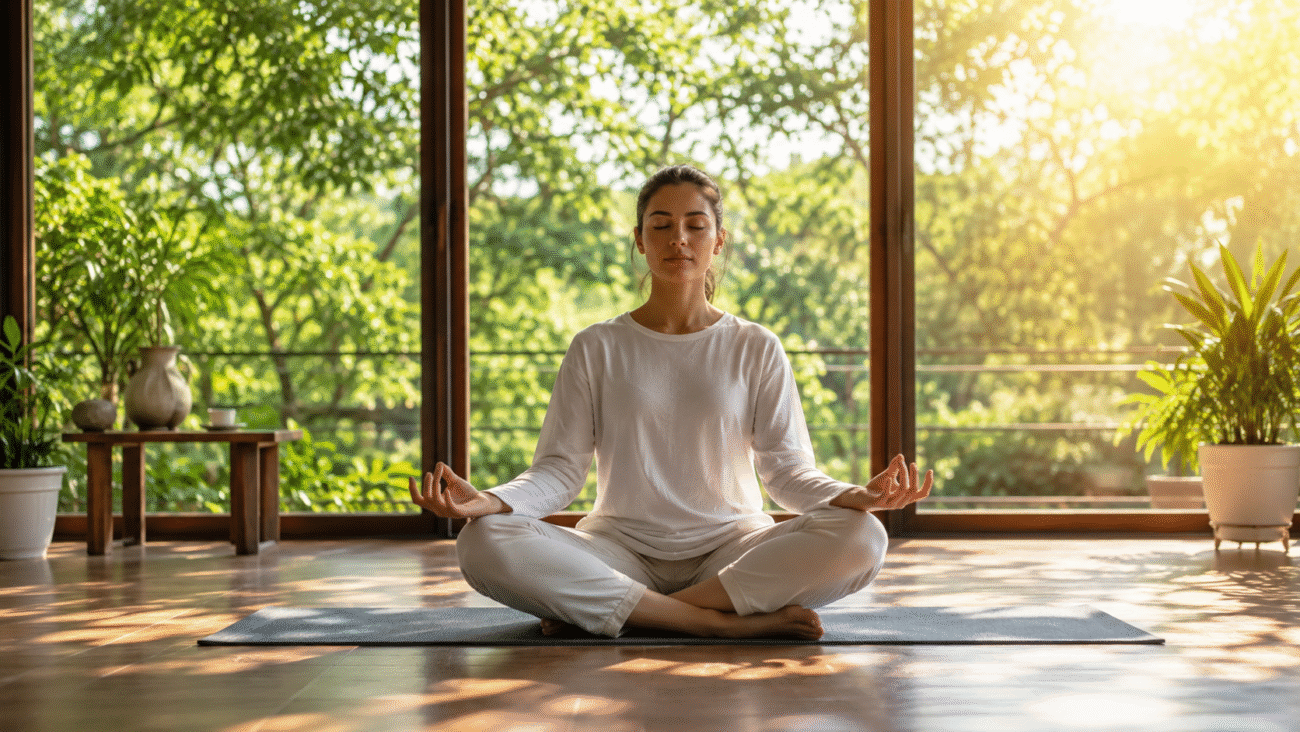
Waking up tired can make the whole day feel slow and stressful. Many people reach for coffee first thing in the morning, but there is a simpler and healthier way to boost your energy naturally. Morning breathing exercises can help wake up your body, clear your mind, and improve your mood in just a few minutes.
The best part is that you do not need any equipment or experience. These simple breathing techniques are beginner-friendly and easy to practice at home.
In this guide, you will learn the best morning breathing exercises, how they work, their benefits, common mistakes to avoid, and simple tips to build a daily breathing routine.
What Are Morning Breathing Exercises?
Morning breathing exercises are simple breathing techniques done after waking up. They help increase oxygen flow in the body and relax the nervous system.
These exercises are often used in yoga, meditation, and wellness routines. Many people use them to feel more awake, focused, and calm before starting the day.
Some breathing methods are slow and relaxing, while others are fast and energizing. Both types can improve your morning routine when practiced correctly.
How Breathing Exercises Work
Your breathing affects both your body and mind. When you breathe deeply, more oxygen enters your body. This can help improve energy levels and mental focus.
Breathing exercises also affect the nervous system. Slow breathing can reduce stress, while controlled fast breathing can help you feel alert and active.
Here is a simple step-by-step process:
- Sit comfortably with a straight back
- Relax your shoulders
- Inhale slowly through your nose
- Exhale gently through your mouth or nose
- Repeat for a few minutes
Doing this every morning can help your body feel refreshed naturally.
Best Morning Breathing Exercises for Energy
Belly Breathing
Belly breathing is one of the easiest breathing exercises for beginners.
How to do it:
- Sit or lie down comfortably
- Place one hand on your belly
- Breathe in slowly through your nose
- Feel your belly rise
- Breathe out slowly
Practice for 3 to 5 minutes.
This exercise helps reduce stress and improves oxygen flow.
Box Breathing
Box breathing is popular for improving focus and calmness.
Steps:
- Inhale for 4 seconds
- Hold your breath for 4 seconds
- Exhale for 4 seconds
- Hold again for 4 seconds
Repeat this cycle 5 times.
Many people use box breathing during stressful mornings or before work.
Alternate Nostril Breathing
This breathing method comes from yoga practices.
How to do it:
- Close your right nostril with your thumb
- Breathe in through the left nostril
- Close the left nostril
- Exhale through the right nostril
- Repeat on the opposite side
This exercise may help balance your mind and improve concentration.
Energizing Breath
This is one of the best morning breathing exercises to start your day with energy.
Steps:
- Sit comfortably
- Take quick, short breaths through your nose
- Keep your mouth closed
- Continue for 15 to 20 seconds
Do not force the breathing. Stop if you feel dizzy.
This technique can help wake up the body quickly.
Deep Morning Breathing
This simple exercise works well right after waking up.
Steps:
- Stand near a window
- Inhale deeply for 5 seconds
- Hold for 2 seconds
- Exhale slowly for 5 seconds
Repeat for 10 breaths.
Fresh air and deep breathing together can improve your morning mood.
How Long Should You Practice?
Beginners do not need long sessions.
A simple 5 to 10-minute morning breathing routine is enough to feel benefits. Consistency matters more than duration.
You can slowly increase your practice time as you get comfortable.
Here is a simple beginner timeline:
- Week 1: 5 minutes daily
- Week 2: 7 minutes daily
- Week 3: 10 minutes daily
Small daily practice often works better than long sessions once in a while.
Benefits of Morning Breathing Exercises
Morning breathing exercises offer many physical and mental benefits.
Boosts Energy Naturally
Deep breathing increases oxygen supply. This helps the body feel more awake without depending only on caffeine.
Reduces Morning Stress
Many people wake up anxious or worried. Controlled breathing helps calm the mind and relax the body.
Improves Focus
Breathing exercises may improve concentration and mental clarity during work or study.
Supports Better Mood
Calm breathing can help lower tension and create a more positive mood.
Helps with Better Posture
Deep breathing often encourages better sitting and standing posture.
Supports Healthy Lungs
Regular breathing practice may improve lung function over time.
Risks or Side Effects
Morning breathing exercises are usually safe for healthy people. Still, beginners should be careful.
Possible side effects include:
- Dizziness
- Lightheadedness
- Mild discomfort
- Fast heartbeat during intense breathing
To stay safe:
- Start slowly
- Do not force your breathing
- Stop if you feel uncomfortable
- Practice in a relaxed environment
People with breathing problems or heart conditions should speak with a healthcare professional before trying intense breathing techniques.
Tips for Beginners
Starting small makes breathing exercises easier to maintain.
Here are some simple beginner tips:
- Practice after waking up
- Sit in a quiet place
- Keep your spine straight
- Wear comfortable clothes
- Focus only on your breath
- Start with easy techniques first
You can also combine breathing exercises with stretching or meditation.
Many beginners find it helpful to set a daily reminder on their phone.
Common Mistakes to Avoid
Breathing Too Fast
Fast breathing can cause dizziness. Slow down and stay relaxed.
Forcing Deep Breaths
Do not push your lungs too hard. Comfortable breathing works best.
Poor Posture
Slouching can reduce airflow. Sit upright during practice.
Skipping Practice
Consistency is important. Even 5 minutes daily can help.
Practicing After Heavy Meals
It is better to practice breathing exercises on an empty stomach or before breakfast.
FAQs
What is the best morning breathing exercise for beginners?
Belly breathing is often the easiest exercise for beginners because it is simple, calming, and safe.
How long should I do morning breathing exercises?
Most beginners can start with 5 to 10 minutes every morning.
Can breathing exercises replace coffee?
Breathing exercises can boost natural energy, but they may not fully replace coffee for everyone.
Is it normal to feel dizzy during breathing exercises?
Mild dizziness can happen if you breathe too fast. Slow down and rest if needed.
Should I do breathing exercises before or after breakfast?
Morning breathing exercises usually work best before breakfast.
Can breathing exercises help with stress?
Yes. Many breathing techniques help relax the nervous system and reduce stress.
Are morning breathing exercises safe every day?
Yes, gentle breathing exercises are generally safe for daily practice.
Join Live Morning Breathwork Classes
Want guided support with your morning breathing practice? Join the live online pranayama sessions from Kundalini Yogashala and learn authentic breathwork techniques from experienced teachers in Rishikesh. These beginner-friendly 30-minute sessions help improve energy, focus, relaxation, and daily wellness through practices like Nadi Shodhan, Kapalbhati, and Bhastrika.
Select 46 more words to run Humanizer.
Conclusion
Starting your day with simple breathing exercises can make a big difference in your energy, focus, and mood. You do not need special skills or equipment to begin.
The key is to stay consistent and keep the routine simple. Even a few minutes every morning can help you feel calmer and more refreshed throughout the day.
Start with one easy breathing technique and slowly build your morning wellness habit over time.
