Pranayama mudras are specific hand gestures used during yogic breathing practices. They help direct attention, support energy flow, improve concentration, and create a deeper connection between the body, breath, and mind. Many traditional pranayama techniques use mudras as an essential part of the practice rather than as optional hand positions.
What Are Pranayama Mudras?
Pranayama mudras are hand gestures in yoga that are used during breathing exercises. The word “mudra” comes from Sanskrit and is often translated as a gesture, seal, or energetic lock.
In traditional yoga, mudras are believed to influence the flow of prana, which means life-force energy.
While breathing techniques receive most of the attention, mudras quietly support the practice by helping practitioners stay focused and connected.
Some mudras are used for meditation, while others are specifically designed for pranayama and breath control practices.
Pranayama Mudras: Specialized hand gestures used during breathing exercises to support concentration, energy balance, and awareness during pranayama practice.
Why Do They Matter?
Many people assume mudras are simply symbolic hand positions. However, traditional yogic teachings view them as practical tools.
Pranayama mudras matter because they
- Encourage mental focus
- Support mindful breathing
- Help maintain proper technique
- Create a ritual that deepens practice
- Enhance awareness of subtle sensations
Without understanding mudras, beginners often miss an important layer of traditional breathwork.
This is one reason many students choose a structured learning path such as the Beginner Pranayama Course offered by Kundalini Yogashala, where mudras are taught alongside breathing techniques instead of being overlooked.
How Do Pranayama Mudras Work?
Mudras work by combining physical positioning with mental attention.
When you place your hands in a specific gesture, your awareness naturally shifts. The gesture becomes a reminder to stay present with your breath.
Traditional yoga teachings suggest that mudras help regulate the movement of prana throughout the body.
Modern practitioners often notice benefits such as the following:
- Better concentration
- Reduced distractions
- Greater mindfulness
- Improved posture awareness
- A stronger meditation experience
The effects may feel subtle at first, but regular practice often makes them easier to notice.
Step-by-Step Guide to Using Mudras in Breathwork
Step 1: Sit Comfortably
Choose a comfortable seated position.
Keep your spine upright and shoulders relaxed.
Step 2: Select the Appropriate Mudra
Different breathing practices use different mudras.
Choose the mudra recommended for the pranayama technique you are practicing.
Step 3: Relax the Hands
Avoid squeezing or creating tension.
The gesture should feel natural and comfortable.
Step 4: Focus on Your Breath
Begin slow, controlled breathing.
Allow your awareness to remain on both the breath and the mudra.
Step 5: Maintain Consistency
Keep the mudra throughout the practice.
Over time, the association between the gesture and breath becomes stronger.
Common Types of Pranayama Mudras
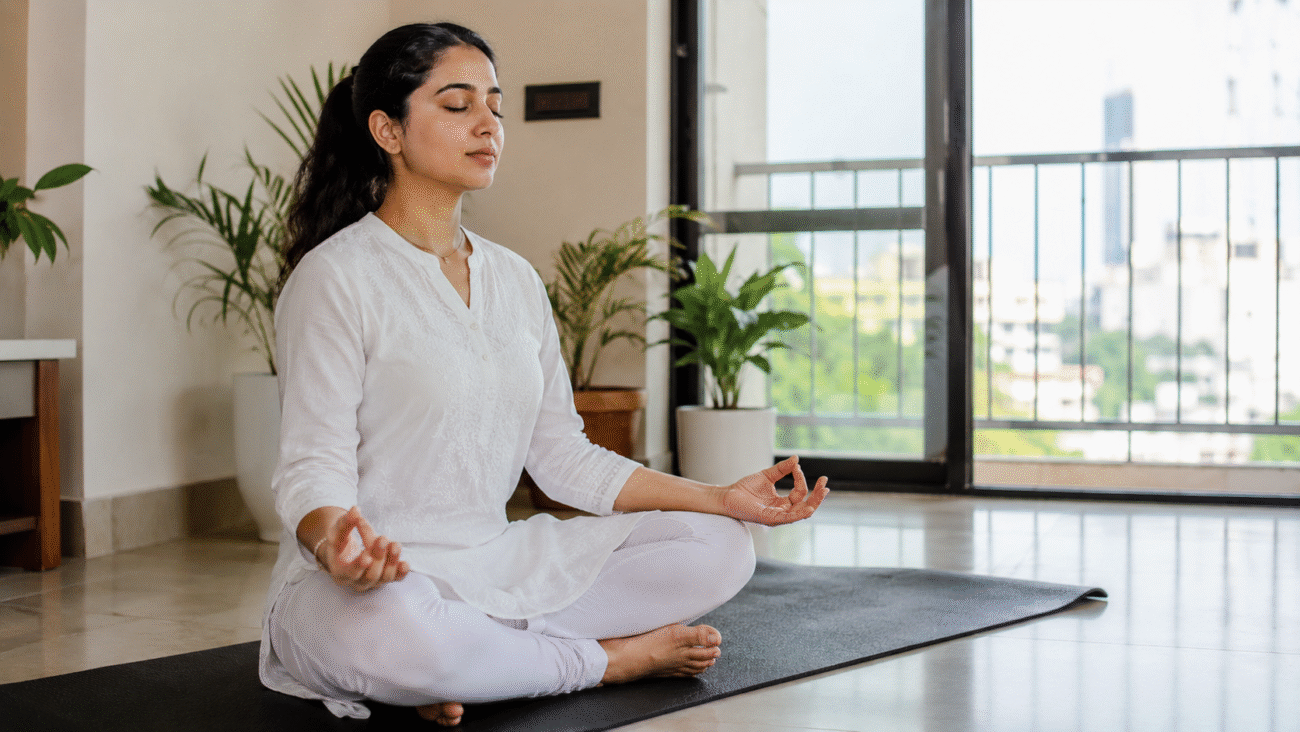
Chin Mudra
One of the most recognized mudras in yoga.
The tip of the index finger gently touches the thumb while the other fingers remain extended.
Often used for meditation and calming breath practices.
Jnana Mudra
Very similar to Chin Mudra.
It is commonly associated with wisdom, awareness, and concentration.
Vishnu Mudra
One of the most important mudras for breathing exercises.
It is frequently used during alternate nostril breathing (Nadi Shodhana).
The fingers are positioned to help open and close the nostrils during the practice.
Nasika Mudra
Another variation used during nostril-control breathing techniques.
It allows smooth transitions between inhalation and exhalation through different nostrils.
Prana Mudra
Traditionally associated with vitality and energy.
Many practitioners use it during breath-focused meditation sessions.
Benefits of Pranayama Mudras
Improved Focus
Mudras give the mind a point of attention.
This can reduce wandering thoughts during practice.
Enhanced Breath Awareness
The combination of hand position and breathing creates greater mindfulness.
Better Meditation Support
Many mudras naturally encourage a calm and centered state.
Traditional Energy Balance
According to yogic philosophy, mudras help direct and balance pranic energy.
Greater Consistency
Using the same mudra regularly can help establish a stronger breathwork routine.
Risks, Side Effects, or Limitations
Pranayama mudras are generally safe for most people.
However, it is important to understand their limitations.
- Mudras are not medical treatments.
- Results vary from person to person.
- Benefits often develop gradually.
- Incorrect breathing techniques may reduce effectiveness.
The mudra alone is rarely the main factor. It works best when combined with proper pranayama practice.
Practical Example
Imagine a beginner learning alternate nostril breathing.
Without Vishnu Mudra, controlling the nostrils may feel awkward and distracting.
By using the proper hand position, the practitioner can switch nostrils smoothly and focus more on the rhythm of breathing.
The mudra becomes a practical tool rather than just a symbolic gesture.
Tips for Beginners
If you’re new to mudras for breathing, keep these tips in mind:
- Start with one mudra at a time.
- Learn the purpose of each gesture.
- Stay relaxed.
- Focus on comfort rather than perfection.
- Practice consistently.
- Combine mudras with guided instruction.
A structured training program can make learning much easier. The Beginner Pranayama Course includes detailed guidance on breathing techniques and the specific mudras that support them.
Common Mistakes to Avoid
Treating Mudras as Decorations
Mudras have practical functions within traditional pranayama.
Avoid viewing them as mere hand poses.
Creating Too Much Tension
The hands should remain relaxed.
Force defeats the purpose.
Ignoring Breath Quality
The breath remains the primary focus.
Mudras are meant to support the breathing process.
Switching Mudras Constantly
Consistency helps build familiarity and awareness.
Skipping Proper Instruction
Many online tutorials explain breathing but leave out mudras entirely.
Learning both together creates a more complete practice.
Expert Insights
Experienced pranayama teachers often observe that students who learn mudras alongside breathing techniques develop stronger awareness and concentration.
The biggest mistake beginners make is separating breathwork from the traditional tools designed to support it.
Mudras are not magic. They are practical aids that help create a deeper connection between attention, breath, and body awareness.
When practiced consistently, they can make pranayama feel more natural, focused, and intentional.
Frequently Asked Questions
What are pranayama mudras?
Pranayama mudras are hand gestures used during yogic breathing exercises. They support concentration, breathing awareness, and traditional energy practices while helping practitioners stay focused during breathwork.
Are mudras necessary for pranayama?
Not always, but they can be very helpful. Many traditional pranayama techniques include specific mudras because they support proper practice and enhance concentration.
Which mudra is used for alternate nostril breathing?
Vishnu Mudra is the most common mudra used for alternate nostril breathing. It helps control the nostrils comfortably during inhalation and exhalation.
Can beginners practice pranayama mudras?
Yes. Most pranayama mudras are beginner-friendly and easy to learn. Starting with simple mudras can help build confidence and familiarity.
How long should I hold a mudra?
Generally, you hold the mudra for the entire breathing practice. The exact duration depends on the length of your pranayama session.
Do mudras have scientific proof?
Research on mudras is still limited. Many reported benefits come from traditional yoga teachings and personal experience rather than extensive scientific evidence.
Can mudras improve breathing?
Mudras themselves do not directly change lung function. However, they may improve focus, posture awareness, and consistency during breathing exercises.
What’s the best way to learn pranayama mudras?
The best approach is guided learning from an experienced teacher or structured course that explains both the breathing techniques and the mudras used with them.
Conclusion
Pranayama mudras are much more than simple hand positions. They are traditional tools that help connect the body, mind, and breath during yogic breathing practices.
For beginners, understanding these hand gestures in yoga can make breathwork easier to follow and more meaningful. While mudras may seem small, they play an important role in supporting focus, awareness, and consistency.
If you’re serious about learning pranayama mudras and proper breathing techniques, consider following a structured program that teaches both together. With regular practice, these simple gestures can become a valuable part of your breathwork journey.
Continue Your Pranayama Journey
Building a strong foundation through pre-pranayama is the first step toward a safe and rewarding breathwork practice. Once you develop breath awareness, diaphragmatic control, and nervous system regulation, you can gradually progress through different levels of pranayama training.
Explore the next steps in your journey:
- Start with our 9-Day Foundation Breathwork & Pre-Pranayama Course
- Learn the fundamentals in our Beginner Pranayama Course
- Deepen your skills with the intermediate breathwork training.
- Master advanced techniques through our Advanced Pranayama Training
Each program is designed to help you progress step-by-step while maintaining safety, awareness, and authentic yogic principles.
